In today’s fast-paced world, a reliable cooker is an essential kitchen appliance for preparing meals efficiently. Whether you’re whipping up a quick weeknight dinner or experimenting with complex recipes, the choice between a budget cooker and a premium one can significantly impact your cooking experience.
But with prices ranging from under $50 for basic models to over $300 for high-end options, the big question remains: does spending more on a premium cooker truly deliver better results, or can a budget-friendly alternative get the job done just as well? This comprehensive guide explores the differences, pros, cons, and real-world performance of budget and premium cookers, helping you decide what’s best for your kitchen and lifestyle.
We’ll dive into various types of cookers, including pressure cookers, multi-cookers, rice cookers, and slow cookers, as they often overlap in functionality. By examining build quality, features, durability, and user feedback, you’ll gain insights into whether the premium price tag justifies the investment.
Understanding Budget and Premium Cookers
Budget cookers typically refer to affordable models priced between $30 and $100. These are often basic electric or stovetop devices designed for everyday tasks like boiling rice, steaming vegetables, or pressure cooking simple meals. Brands like Presto, Instant Pot’s entry-level lines, and Oster dominate this category, offering straightforward functionality without unnecessary bells and whistles.
Premium cookers, on the other hand, start at around $150 and can exceed $500. They incorporate advanced technology, superior materials, and versatile features. Think of brands like Breville, Zojirushi, Fissler, and Wolf Gourmet, which emphasize precision cooking, smart controls, and long-term durability. For instance, premium models might include induction heating for even cooking or app connectivity for remote monitoring.
The core distinction lies in how these cookers handle heat distribution, safety features, and multifunctionality. Budget options prioritize affordability and simplicity, while premium ones focus on performance, longevity, and user convenience.
Key Differences Between Budget and Premium Cookers
When comparing budget and premium cookers, several factors stand out. Let’s break them down:
Materials and Build Quality
Budget cookers often use aluminum or non-stick coated pots with plastic exteriors. While functional, these materials can wear out faster, leading to scratches or uneven heating over time. For example, the Presto 8-Quart Stainless Steel Pressure Cooker uses basic stainless steel, which is durable but lacks the thickness for optimal heat retention.
Premium models, like the Fissler Vitaquick, feature tri-ply stainless steel bases for superior heat distribution and longevity. These can last 7-10 years with proper care, compared to 2-3 years for budget alternatives. The heavier construction also prevents warping and ensures even cooking, reducing hot spots that can burn food.
Features and Functionality
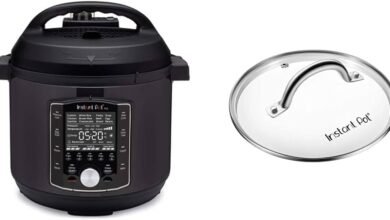
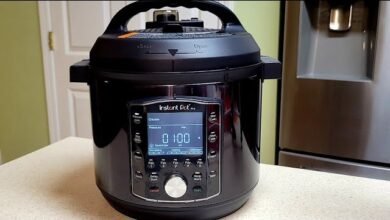
Budget cookers keep it simple with one or two pressure settings and basic presets for rice, soup, or steaming. The Instant Pot Duo, a popular budget multi-cooker, offers essential functions like sautéing and slow cooking but lacks advanced customization.
Premium options excel here with multiple pressure levels (e.g., low for delicate foods like fish, high for tough meats), smart sensors, and additional modes like yogurt making or air frying. The Breville Fast Slow Pro allows endless customization, including altitude adjustments for precise results in different environments. Models like the Zojirushi rice cooker use fuzzy logic technology to adjust cooking times based on grain type and moisture levels.
“Read Also: Most Reliable Cookers According to Experts“
Performance and Efficiency
In tests, premium cookers often outperform budget ones in speed and consistency. For instance, a premium pressure cooker like the Breville reaches pressure faster and maintains it more steadily, resulting in tender brisket or creamy beans without scorching. Energy efficiency is another win; high-end models use less power over time due to better insulation.
Budget cookers can deliver good results for basic tasks but may require more monitoring. The Oster DiamondForce rice cooker cooks white rice perfectly in 20 minutes but struggles with brown rice, often leaving it underdone.
Safety and Ease of Use
Both categories prioritize safety with features like locking lids and pressure release valves. However, premium cookers add extras like visual indicators and automatic shut-offs. The Fissler has a smooth-sliding lid that’s easier to secure than budget models, reducing the risk of accidents.
Budget options, while safe, might have recessed indicators that are harder to read, requiring closer attention during use.
| Feature | Budget Cookers | Premium Cookers |
|---|---|---|
| Price Range | $30-$100 | $150-$500+ |
| Materials | Aluminum, basic stainless | Tri-ply stainless, induction-compatible |
| Functions | Basic presets (rice, soup) | Advanced modes (yogurt, air fry, smart sensors) |
| Durability | 2-3 years | 7-10 years |
| Energy Efficiency | Average | High (better insulation) |
Pros and Cons of Budget Cookers
Budget cookers are ideal for beginners or occasional users. Here’s a balanced look:
Pros:
– Affordability: You can get a reliable model like the Presto for under $100, making it accessible for tight budgets.
– Simplicity: Easy to operate with minimal buttons, reducing the learning curve.
– Compact Size: Many are lightweight and easy to store, perfect for small kitchens.
– Decent Performance for Basics: Excellent for everyday tasks like cooking rice or beans quickly.
– Low Maintenance: Fewer parts mean less to clean or replace.
Cons:
– Limited Features: Lack of advanced settings can limit versatility.
– Shorter Lifespan: Materials degrade faster, leading to more frequent replacements.
– Inconsistent Heating: May result in uneven cooking or scorching.
– Basic Safety: While safe, they require more user vigilance.
– No Smart Integration: No app control or voice commands.
For example, the Crock-Pot 7-Quart Oval is a budget slow cooker that excels in set-it-and-forget-it meals but lacks searing capabilities.
“Read Also: Top Rated Cookers Based on Customer Reviews“
Pros and Cons of Premium Cookers
Premium cookers appeal to serious home cooks who value precision and durability.
Pros:
– Superior Build: High-quality materials ensure longevity and even heating.
– Advanced Features: Multiple cooking modes, customizable settings, and smart tech enhance versatility.
– Better Performance: Faster cooking times, consistent results, and energy savings.
– Enhanced Safety: Intuitive indicators and automatic controls minimize risks.
– Resale Value: Often retain value and can increase home appeal.
Cons:
– High Cost: The initial investment can be steep, like $300 for the Breville.- Complexity: More features mean a steeper learning curve.
– Bulkier Design: Heavier and larger, which might not suit small spaces.
– Expensive Repairs: Replacement parts for premium brands cost more.
– Overkill for Basics: If you only cook simple meals, the extras might go unused.
The Wolf Gourmet Multi-Cooker, priced up to $700, offers top-tier performance but underperforms in some tests, questioning its value.
“Read Also: Mistakes to Avoid When Buying a Cooker“
Real-World Performance Comparison
To determine if premium cookers are worth the price, consider performance in key areas.
Cooking Speed and Quality
In pressure cooking tests, budget models like the IMUSA take longer to build pressure and may yield slightly tougher meats. Premium ones, such as the T-Fal Clipso, achieve higher PSI (15 vs. 12), resulting in fall-apart brisket in under an hour.