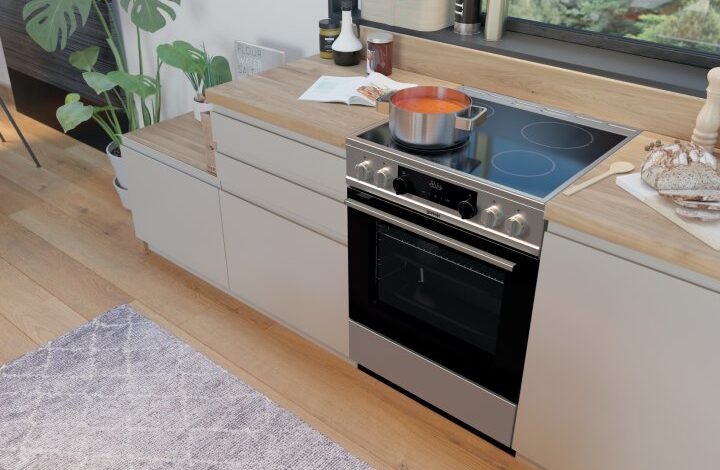
In today’s fast-paced world, the kitchen is more than just a place to prepare meals—it’s the heart of the home where families gather, creativity flourishes, and daily routines unfold. Choosing the right cooker, often referred to as a stove or range in various regions, is a critical decision that impacts your cooking efficiency, energy bills, safety, and overall kitchen aesthetics.
With advancements in technology, especially as we move into 2026, cookers have evolved from basic appliances to smart, energy-efficient devices that integrate seamlessly with modern lifestyles. Whether you’re remodeling your kitchen, moving into a new home, or simply upgrading an outdated model, understanding how to select the perfect cooker can save you time, money, and frustration.
The market is flooded with options, from traditional gas cookers to cutting-edge induction models and dual-fuel ranges that combine the best of both worlds.
According to recent industry insights, the global kitchen appliances market is projected to grow significantly by 2026, driven by demands for smart home integration and sustainable features. But with so many choices, how do you narrow it down? This comprehensive guide will walk you through everything you need to know, from types of cookers and key considerations to top brands and common pitfalls.
By the end, you’ll be equipped to make an informed choice that suits your kitchen’s unique needs.
First, let’s consider why the right cooker matters. A mismatched appliance can lead to inefficient cooking, higher utility costs, or even safety hazards. For instance, if you love baking intricate pastries, a cooker with precise temperature control is essential.
On the other hand, if you’re a busy professional who relies on quick meals, an induction cooker might be your best bet for speed and ease of cleaning. Factors like kitchen size, family size, cooking habits, and budget all play a role. In this article, we’ll delve deep into these aspects, providing actionable advice backed by expert recommendations and the latest trends for 2026.
As we explore the options, remember that the “right” cooker isn’t always the most expensive or feature-packed one—it’s the one that aligns with your lifestyle. Let’s start by breaking down the different types of cookers available today.
Understanding Different Types of Cookers
When it comes to cookers, variety is key. Each type offers unique advantages and drawbacks, influenced by factors like fuel source, heating method, and design. In 2026, innovations such as smart connectivity and eco-friendly materials are reshaping the landscape, making it easier to find a model that fits modern homes. Here’s a detailed look at the main categories:
Gas Cookers
Gas cookers remain a favorite among professional chefs and home cooks who value precise control over heat levels. They use natural gas or propane to produce an open flame, allowing for instant temperature adjustments—perfect for techniques like stir-frying or simmering sauces. One of the biggest pros is their responsiveness: turn the knob, and the flame changes immediately.
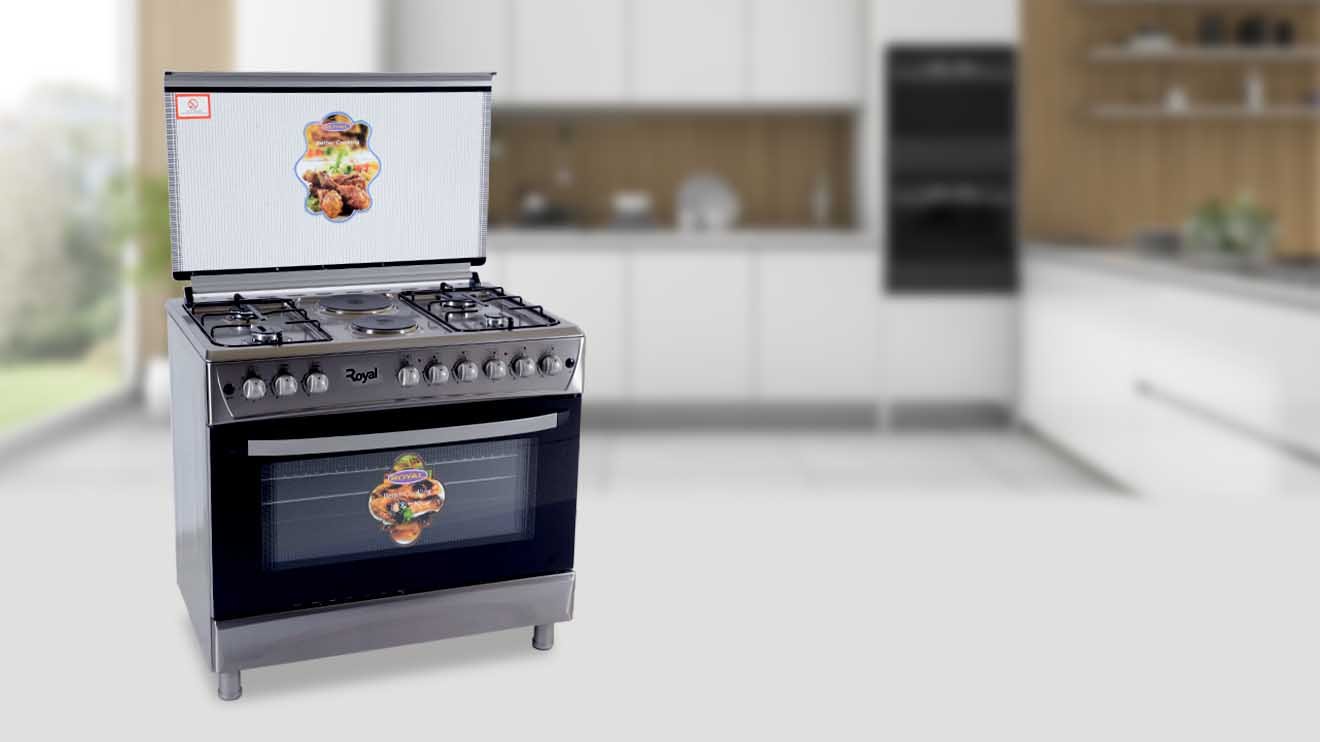
In terms of design, gas cookers come in freestanding, slide-in, or built-in models, with options for 4 to 6 burners. Modern versions often include sealed burners to prevent spills from entering the mechanism, making cleanup easier. However, they require a gas line installation, which might not be feasible in all homes, especially apartments or electric-only setups. Safety is another consideration; features like automatic shut-off valves are crucial to prevent gas leaks.
Pros:
– Quick heating and cooling
– Even heat distribution for cooking
– Often more affordable to operate in areas with low gas prices
Cons:
– Potential safety risks if not ventilated properly
– Harder to clean compared to smooth-top models
– Less energy-efficient in some cases
For 2026, look for gas cookers with smart flame sensors that integrate with home assistants like Alexa or Google Home for voice control.
Electric Cookers
Electric cookers, powered by electricity, are known for their reliability and ease of use. They typically feature coil burners or smooth ceramic glass tops that heat up via electric elements. These are ideal for beginners or those without access to gas lines, as they’re plug-and-play in most kitchens.
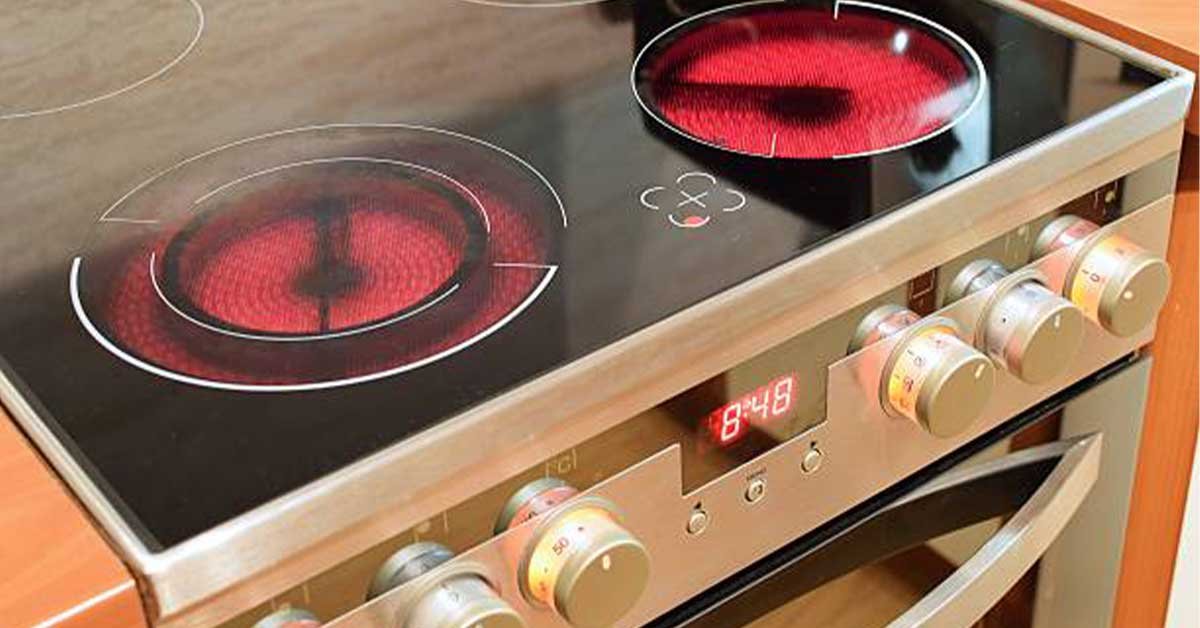
The smooth-top variants provide a sleek, modern look and are easier to wipe down after use. However, they can take longer to heat up and cool down, which might frustrate cooks who need rapid changes. In 2026, electric models are incorporating radiant heating technology for faster response times, bridging the gap with gas options.
Pros:
– Consistent baking in ovens due to even heat
– No open flames, reducing fire risks
– Widely available and often cheaper upfront
Cons:
– Slower heat adjustment
– Higher energy consumption if not energy-star rated
– Prone to scratches on glass tops
If your kitchen is in a region with high electricity costs, opt for models with energy-efficient ratings.
Induction Cookers
Induction technology is the star of 2026 kitchen trends, offering lightning-fast heating through electromagnetic fields that directly heat the cookware, not the surface. This means the cooktop stays cool to the touch, enhancing safety, especially in homes with children.
Induction cookers require compatible magnetic pots and pans (like cast iron or stainless steel), but they boil water in half the time of traditional methods and use up to 90% of the energy efficiently. They’re perfect for precision cooking, such as melting chocolate without scorching.
Pros:
– Energy-efficient and eco-friendly
– Easy to clean with a flat surface
– Precise temperature control
Cons:
– Higher initial cost
– Need for specific cookware
– Potential interference with pacemakers (though rare in modern models)
With smart features like app-controlled zones, induction is ideal for tech-savvy users.
Dual-Fuel Cookers
For the best of both worlds, dual-fuel cookers combine a gas cooktop with an electric oven. This setup leverages gas for responsive stovetop cooking and electricity for even, convection baking in the oven.
These are popular in professional-grade kitchens and are seeing a surge in home use in 2026, with hybrid models incorporating induction elements. They’re versatile for diverse cooking styles but require both gas and electric connections.
Pros:
– Optimal performance for varied tasks
– High-end features like self-cleaning ovens
– Durable and long-lasting
Cons:
– Expensive
– Complex installation
– Larger footprint
Other Specialized Types
– Freestanding vs. Built-In: Freestanding cookers are standalone units with finished sides, great for flexible placement. Built-in models integrate into cabinetry for a seamless look.
– Compact or Portable Cookers: For small kitchens or RVs, compact models under 24 inches wide are space-savers.
In 2026, portable induction burners are trending for minimalists.
– Multi-Cookers and Smart Ovens: These all-in-one devices, like air fryer-oven combos, are gaining traction for versatility.
Understanding these types sets the foundation. Next, let’s explore the factors that will help you decide which one is right for you.
“Read Also: اختيار البوتاجاز المناسب“
Key Factors to Consider When Choosing a Cooker
Selecting a cooker isn’t just about the type—it’s about how it fits into your daily life. Here are the essential considerations to ensure your choice is practical and long-term.
Kitchen Size and Layout
Measure your space first. Standard cookers are 30 inches wide, but options range from 20 to 48 inches. For small kitchens, a compact or slide-in model maximizes counter space. Consider ventilation: gas models need proper hoods to expel fumes, while induction requires minimal venting.
If your kitchen has an island, a downdraft cooker might be ideal. In 2026, modular designs allow for customizable layouts, adapting to open-concept homes.
Cooking Habits and Family Needs
How often do you cook? For large families, a cooker with 5-6 burners and a double oven is efficient. Solo dwellers might prefer a 4-burner model with quick-heat features.
Think about your style: frequent bakers need convection ovens for even results, while stir-fry enthusiasts benefit from high-BTU gas burners. In 2026, appliances with preset modes for specific cuisines (e.g., Indian or Mediterranean) are emerging.
“Read Also: شراء بوتاجاز في مصر“
Budget and Cost of Ownership
Cookers range from $500 for basic electric models to $5,000+ for premium dual-fuel ones. Factor in installation (up to $200 for gas lines) and ongoing costs. Gas is cheaper in operation but induction saves on energy bills long-term.
Look for energy-star certifications to reduce utility expenses. In 2026, rebates for eco-friendly appliances could offset costs.
Energy Efficiency and Sustainability
With climate concerns rising, choose models with high efficiency ratings. Induction cookers use less energy, and solar-compatible electrics are on the rise. Features like low-power modes and recyclable materials align with green living.
Safety Features
Prioritize child locks, auto-shutoff, and cool-touch surfaces. Gas models should have flame failure devices. In 2026, AI-driven safety alerts via apps are standard in high-end models.
Installation and Maintenance
Ensure compatibility with your power supply. Professional installation is recommended for gas or dual-fuel. Opt for self-cleaning ovens to ease maintenance.
By weighing these factors, you’ll avoid buyer’s remorse.
Essential Features to Look For
Beyond basics, modern cookers boast features that enhance usability:
– Convection Ovens: Fans circulate air for faster, even cooking.
– Smart Integration: Control via apps, with recipe suggestions.
– Self-Cleaning: Pyrolytic or steam options for hassle-free upkeep.
– Bridge Elements: Combine burners for large pots.
– Air Fry and Sous Vide: Built-in for versatile cooking.
– Customizable Controls: Touchscreens or knobs for preference.
In 2026, voice-activated and AI-optimized features are game-changers.
Top Brands and Recommendations
Reliable brands ensure quality. Top picks for 2026:
– Samsung: Innovative smart ranges with induction tech.
– Bosch: Energy-efficient, sleek designs.
– LG: Affordable with advanced features.
– Viking and Wolf: Premium for pros.
– KitchenAid: Versatile for home bakers.
Recommendations: For budgets under $1,000, Samsung’s electric models; for luxury, Wolf’s dual-fuel.
Common Mistakes to Avoid
Don’t overlook measurements—many regret buying oversized units. Ignore energy ratings at your peril, as bills add up. Skipping warranties or professional installation can lead to issues. Avoid impulse buys; research reviews.
Conclusion
Choosing the right cooker transforms your kitchen experience. By understanding types, factors, and features, you’re set for success. In 2026, embrace trends like smart tech for a future-proof choice. Happy cooking!