When it comes to equipping your kitchen with the right cooker, the choice between gas and electric models is one of the most significant decisions you’ll make. Both options have their unique advantages and drawbacks, influencing everything from daily cooking experiences to long-term household expenses.
In this comprehensive guide, we’ll explore the key differences between gas and electric cookers, helping you determine which one suits your home best. Whether you’re remodeling your kitchen, moving into a new space, or simply upgrading an old appliance, understanding these factors can lead to a more efficient, safe, and enjoyable cooking environment.
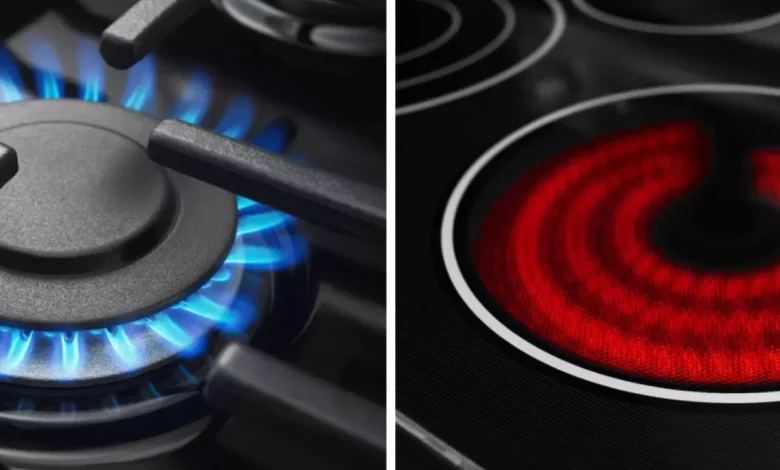
Cookers, also known as stoves or ranges, are essential for preparing meals, and the debate over gas vs electric has been ongoing for decades. Gas cookers use natural gas or propane to produce an open flame, while electric cookers rely on electricity to heat coils, ceramic surfaces, or induction elements.
Each type offers distinct performance characteristics, energy use patterns, and maintenance needs. By examining pros, cons, costs, safety, environmental impact, and more, you’ll gain the insights needed to make an informed choice.
What Are Gas Cookers?
Gas cookers operate by burning natural gas or liquid propane to create a flame that heats pots and pans directly. They typically feature burners on the cooktop and an oven below, with some models including grills or additional storage. The flame provides immediate heat, allowing for quick temperature adjustments, which is why many professional chefs prefer them.
There are several types of gas cookers available:
- Freestanding Gas Ranges: These are all-in-one units with a cooktop and oven, easy to install in most kitchens.
- Slide-In Gas Ranges: Designed to fit seamlessly between cabinets for a built-in look.
- Dual-Fuel Ranges: Combine a gas cooktop with an electric oven for the best of both worlds.
Gas cookers have evolved with modern features like electronic ignition, which eliminates the need for a constant pilot light, improving efficiency. According to recent data, gas ranges convert about 32-40% of their energy into usable cooking heat, with the rest lost as waste. This makes them responsive but not the most energy-efficient option overall.
What Are Electric Cookers?
Electric cookers use electricity to generate heat through resistive elements. The most common types include coil burners, smooth-top ceramic surfaces, and induction cooktops. In coil models, metal coils heat up when electricity passes through them.
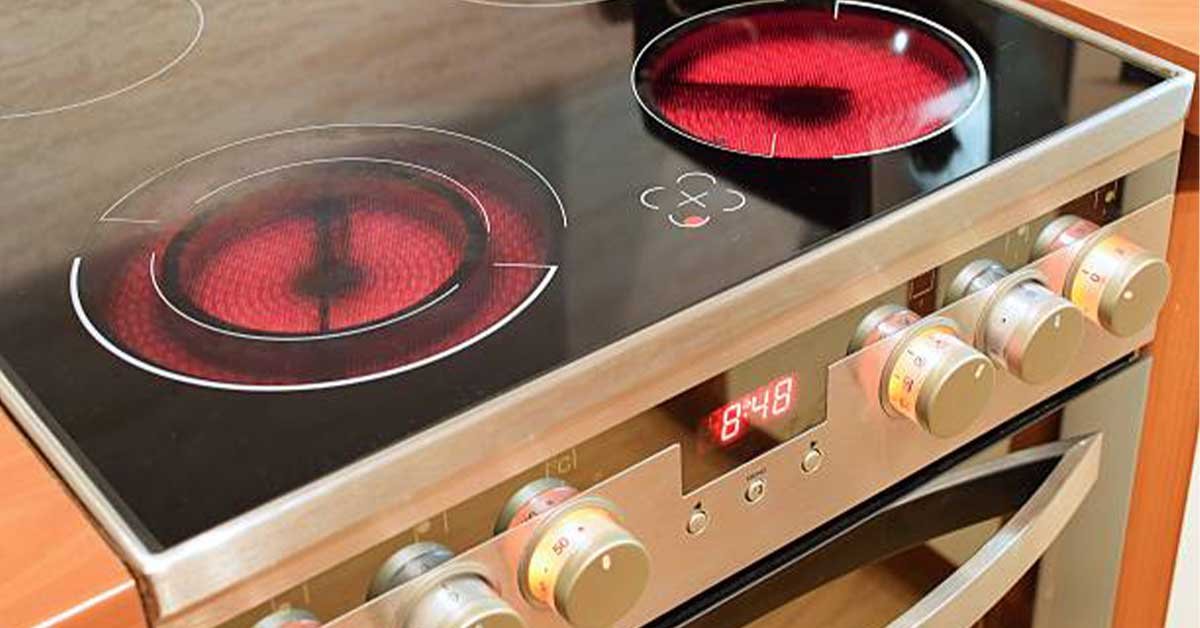
Smooth-top versions have heating elements beneath a glass-ceramic surface, offering a sleek appearance. Induction cookers use electromagnetic fields to heat cookware directly, requiring compatible magnetic pots.
Popular electric cooker varieties include:
- Coil-Top Electric Ranges: Affordable and straightforward, with exposed coils for easy cleaning.
- Smooth-Top Electric Ranges: Feature a flat surface that’s easier to wipe down but can be prone to scratches.
- Induction Ranges: The latest technology, providing rapid heating and precise control.
Electric models are known for even heat distribution, especially in ovens, where they often outperform gas in baking consistency. Standard electric cooktops achieve around 74% energy efficiency, while induction models reach up to 84%, making them a top choice for energy-conscious households.
Pros of Gas Cookers
Gas cookers shine in several areas, making them a favorite for avid home cooks.
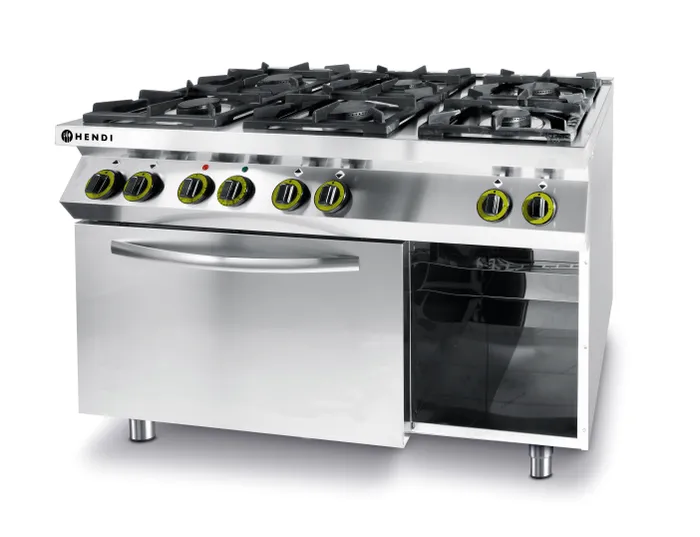
- Quick Heating and Precise Control: The open flame allows for instant heat-up and easy adjustments. You can go from a simmer to a boil in seconds, which is ideal for techniques like stir-frying or searing.
- Lower Operating Costs: In many regions, natural gas is cheaper than electricity per unit of energy. Annual operating costs for gas cookers can range from $20 to $60, depending on usage and local rates. This can result in 10-30% savings compared to electric models.
- Reliability During Power Outages: Gas cookers can often be lit manually if the electronic ignition fails, providing functionality even without electricity.
- Durability: With fewer electronic components, gas models tend to last longer, often 15-20 years with proper maintenance.
- Better for Certain Cooking Styles: The visible flame helps gauge heat levels, and gas is excellent for wok cooking or charring foods.
These benefits make gas cookers particularly appealing for households that cook frequently or value traditional cooking methods.
“Read Also: Best Gas Cookers for Modern Kitchens in 2026“
Cons of Gas Cookers
Despite their advantages, gas cookers have notable downsides.
- Installation Challenges: If your home lacks a gas line, installation can cost $525 to $3,200, including plumbing and venting.
- Safety Risks: Potential for gas leaks, carbon monoxide poisoning, and fires. Homes with gas stoves have higher levels of nitrogen dioxide (NO2), linked to respiratory issues.
- Environmental Impact: Gas combustion releases methane and other greenhouse gases, contributing to climate change. Even when off, stoves can leak methane.
- Uneven Heating: Ovens may have hot spots due to the central flame, affecting baking uniformity.
- Maintenance Needs: Burners require regular cleaning to prevent clogs, and proper ventilation is essential to avoid indoor air pollution.
These issues have led to increased scrutiny, with some regions considering regulations on new gas installations.
Pros of Electric Cookers
Electric cookers offer modern conveniences and reliability.
- Ease of Use and Cleaning: Smooth-top and induction models have flat surfaces that are simple to wipe clean. No open flames mean less mess from spills.
- Safety Features: No risk of gas leaks or open flames, reducing burn and explosion hazards. Induction surfaces stay cool to the touch, safe for families with children.
- Even Heating: Electric ovens provide consistent temperatures, ideal for baking and roasting. They often include convection fans for better air circulation.
- Energy Efficiency: Especially with induction, which heats only the cookware, minimizing waste. This can lead to lower long-term energy use when paired with renewable sources.
- Compatibility with Renewables: Electric models can run on solar or wind power, reducing your carbon footprint.
Electric cookers are also quieter and don’t require special venting, making them versatile for various home setups.
“Read Also: How to Choose the Right Cooker for Your Kitchen“
Cons of Electric Cookers
Electric models aren’t without flaws.
- Slower Heating: Coils take time to warm up and cool down, which can frustrate cooks needing quick changes.
- Higher Operating Costs: Electricity is often more expensive, with annual costs around $145 for average use. Induction is more efficient but still pricier in some areas.
- Dependency on Electricity: Power outages render them useless, unlike gas models.
- Cookware Requirements: Induction needs magnetic pots, adding to initial expenses if you don’t have them.
- Potential for Higher Purchase Price: Advanced models like induction can cost $650 to $2,800 upfront.
These drawbacks may deter those in areas with unreliable power or high electricity rates.
Cost Comparison: Upfront and Long-Term Expenses
When comparing gas vs electric cookers, costs play a pivotal role.
- Purchase Price: Gas ranges typically cost $800 to $2,300, while electric models range from $650 to $2,800. Basic electric coils are the cheapest, but premium induction pushes prices higher.
- Installation Costs: Electric installation is simpler, often just $160 for wiring. Gas requires gas lines and venting, potentially adding thousands if not already present.
- Operating Costs: Gas is generally cheaper to run due to lower fuel prices. For example, natural gas might cost 10-30% less per unit than electricity. However, in regions with affordable renewable electricity, electric could be competitive.
- Maintenance and Repairs: Gas models may need more frequent servicing for burners and vents, costing $100-300 annually. Electric repairs focus on elements, often cheaper at $50-200.
- Lifetime Costs: Over 15 years, gas might save on energy but lose on installation. A 2025 analysis shows gas operating at $20-60 yearly vs. electric’s $145, but incentives for efficient electrics could tip the scale.
Consider local utility rates—use online calculators to estimate based on your zip code.
Energy Efficiency and Environmental Impact
Energy efficiency directly affects both your bills and the planet.
- Efficiency Ratings: Gas cookers are about 40% efficient, losing heat to the air. Electric coils hit 74%, and induction 84%, transferring more energy to food.
- Environmental Considerations: Gas stoves contribute to greenhouse gas emissions, with methane leaks equivalent to millions of cars on the road. They account for significant CO2 releases globally. Electric cookers, when powered by clean energy, emit far less—up to 1/3 the emissions of gas.
- Indoor Air Quality: Gas releases NO2, benzene, and CO, linked to asthma (12.7% of U.S. childhood cases). Switching to electric can cut NO2 exposure by over 50%.
- Future Trends: By 2026, stricter efficiency standards may favor electrics, with rebates for eco-friendly models reducing costs.
For eco-conscious homes, electric, especially induction, is increasingly the superior choice.
Safety Considerations
Safety is paramount in any kitchen appliance.
- Gas Safety Risks: Leaks can lead to explosions or CO poisoning. NO2 from gas increases asthma risks, especially in children. Proper ventilation is crucial, but many homes lack it.
- Electric Safety Advantages: No combustion byproducts or leaks. Induction surfaces don’t heat without pots, preventing burns. However, some data shows higher fire rates in electric homes due to wiring issues.
- General Tips: Install CO detectors for gas, check wiring for electric. Both require child locks and stable placement.
- Health Impacts: Gas emissions can cause headaches and respiratory problems. Electric eliminates these, promoting healthier indoor air.
Families with young children or respiratory concerns often prefer electric for peace of mind.
Cooking Performance and User Experience
Performance varies by cooking style.
- Gas Performance: Superior for high-heat tasks like boiling or flambéing. Chefs praise the control, but ovens may bake unevenly.
- Electric Performance: Excels in simmering and baking with even heat. Induction boils water faster than gas. Smooth-tops retain heat longer, useful for keeping food warm.
- User Feedback: Gas users love the tactile feel; electric fans appreciate the consistency. In tests, electrics often outperform gas in overall reliability.
Test models in stores or read reviews to match your habits.
Maintenance and Durability
Longevity affects value.
- Gas Maintenance: Clean burners regularly to avoid clogs. Professional servicing for leaks. Last 15+ years.
- Electric Maintenance: Replace coils or elements as needed. Smooth-tops require gentle cleaners. Also durable, with induction being low-maintenance.
- Common Issues: Gas: Ignition failures. Electric: Element burnout.
Both benefit from warranties and annual checks.
Installation Requirements
Setup influences feasibility.
- Gas Installation: Needs a gas line, venting hood, and possibly a 110-volt outlet for ignition. Professional plumber required.
- Electric Installation: Requires a 220/240-volt outlet. Easier in most homes, but older wiring may need upgrades.
- Home Compatibility: Check your infrastructure—apartments often have electric, while houses may have gas.
Consult professionals for safe installation.
Factors to Consider When Choosing Between Gas and Electric Cookers
Your decision should factor in:
- Lifestyle: Frequent cooking? Go gas. Baking-focused? Electric.
- Budget: Calculate total costs, including incentives.
- Home Setup: Existing utilities dictate ease.
- Health and Environment: Prioritize electric for cleaner air.
- Regional Factors: Utility prices, climate (e.g., outages in stormy areas favor gas).
- Future-Proofing: With 2026 standards, electrics may gain rebates.
Weigh these against your needs.
Conclusion: Gas vs Electric Cookers
The choice between gas and electric cookers ultimately depends on your priorities. Gas offers quick, cost-effective cooking with a traditional feel but comes with safety and environmental concerns. Electric provides safety, efficiency, and even performance, especially with induction, though it may cost more to run in some areas.
As technology advances and environmental awareness grows, electric models are gaining ground, with potential for lower emissions and health benefits. Evaluate your home’s setup, budget, and cooking style to select the best fit. Whichever you choose, a well-maintained cooker will enhance your home for years to come.