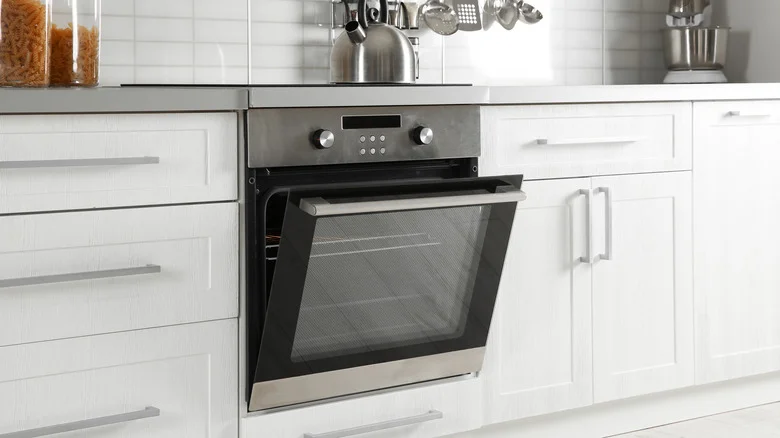
Buying a cooker is a significant investment for any household. Whether you’re remodeling your kitchen, replacing an old appliance, or setting up a new home, the right cooker can transform your cooking experience, making meal preparation more efficient and enjoyable.
However, with so many options available—from gas to electric, freestanding to built-in models—it’s easy to make choices that lead to regret down the line. A cooker isn’t just about heating food; it’s about matching your lifestyle, space, and cooking needs.
Imagine spending thousands on a high-end model only to find it doesn’t fit your counter space or requires expensive modifications to your kitchen infrastructure. These pitfalls can turn what should be an exciting purchase into a frustrating ordeal.
In this comprehensive guide, we’ll explore the most common errors people make when purchasing a cooker and provide practical advice on how to sidestep them. By understanding these mistakes upfront, you can ensure your new appliance serves you well for years to come.
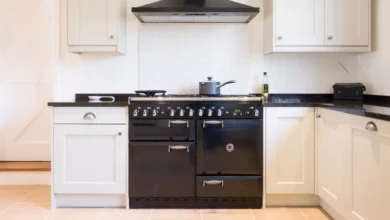
From assessing your kitchen’s layout to evaluating long-term costs, every aspect matters. Cookers come in various types, including ranges (which combine a stovetop and oven), stovetops alone, or wall ovens with separate cooktops. The key is to prioritize functionality over fleeting trends.
For instance, if you’re an avid baker, you’ll want a model with precise temperature control, while busy families might prefer easy-to-clean surfaces.
According to industry insights, many consumers end up dissatisfied because they overlook basic compatibility issues, leading to returns or costly repairs. This article draws from expert recommendations and real-world experiences to help you make an informed decision. We’ll cover everything from initial measurements to post-purchase considerations, ensuring you select a cooker that enhances your daily routine without unnecessary headaches.
Not Measuring Your Space Properly
One of the most frequent and avoidable errors when buying a cooker is failing to accurately measure the available space in your kitchen. It’s tempting to fall in love with a sleek, feature-packed model in the showroom, but if it doesn’t fit, you’ll face major installation challenges.
Cookers typically range from 20 to 36 inches in width, with standard heights around 36 inches and depths of 25 to 30 inches. However, variations exist, especially with professional-grade ranges that can be deeper or wider.
Start by measuring the width, height, and depth of the intended spot, including any overhangs or cabinets above. Don’t forget to account for door swing clearance—ovens need space to open fully without hitting adjacent surfaces.
Also, consider ventilation requirements; many cookers need at least a few inches of clearance on the sides and back for proper airflow and safety. If your kitchen has an island or peninsula setup, ensure the cooker aligns with counter heights to avoid awkward ergonomics.
A real-world example: homeowners often buy slide-in ranges assuming they’ll fit seamlessly, only to discover the control panel protrudes, interfering with backsplashes. To prevent this, use a tape measure and note down dimensions precisely. If possible, create a cardboard mockup of the cooker’s size and place it in your kitchen to visualize the fit.
Additionally, check for electrical or gas outlets; relocating them can add hundreds to your budget. Professional installers recommend leaving at least 1-2 inches on each side for heat dissipation, preventing potential fire hazards.
Beyond physical fit, think about workflow. Will the cooker block pathways or make it hard to access cabinets? In smaller kitchens, opt for compact models or wall-mounted ovens to save floor space. By taking these steps, you’ll avoid the hassle of returns, which can be cumbersome for large appliances. Ultimately, proper measurement ensures your cooker integrates smoothly, enhancing both functionality and aesthetics in your cooking area.
Choosing the Wrong Fuel Type
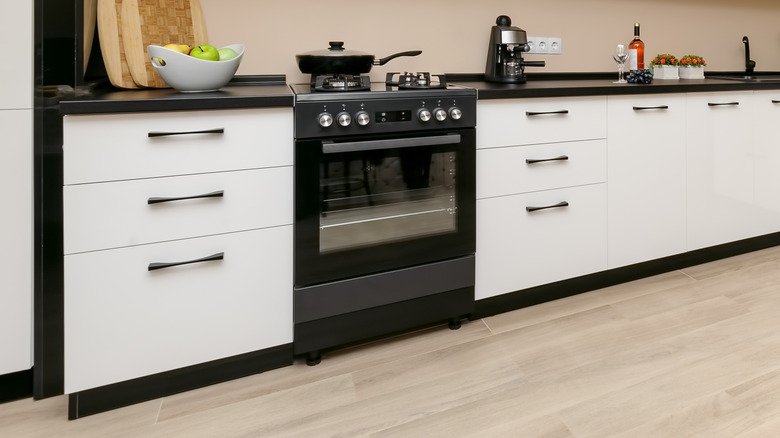
Selecting the incorrect fuel type for your cooker is another major pitfall that can affect performance, costs, and even safety. Cookers primarily run on gas, electricity, or a combination (dual fuel). Gas models offer instant heat and precise control, ideal for searing or simmering, but they require a gas line, which not all homes have. Electric cookers, on the other hand, provide even baking and are easier to clean, but they heat up slower and can spike your utility bills.
Before purchasing, assess your kitchen’s infrastructure. Does your home have a natural gas connection, or are you limited to electric? Installing a new gas line can cost $500 to $2,000, depending on your location. Dual-fuel options combine a gas cooktop with an electric oven, offering the best of both worlds, but they’re pricier and may require both connections.
Consider your cooking style too. If you prefer wok cooking or frequent boiling, gas’s responsive flames are superior. For baking enthusiasts, electric ovens maintain consistent temperatures better. Induction cooktops, a subset of electric, use magnetic fields for rapid, efficient heating but require compatible cookware—ferrous metals like cast iron work, while aluminum doesn’t unless it’s induction-ready.
Environmental factors play a role; electric models are more energy-efficient in some regions with renewable power sources. Check local regulations, as some areas are phasing out gas appliances for emissions reasons. Test models in stores if possible—feel the burner response or oven preheat times. By aligning fuel type with your setup and habits, you’ll enjoy reliable performance without unexpected expenses or frustrations.
“Read Also: Things to Consider Before Buying a New Cooker“
Overlooking Essential Features for Your Needs
Many buyers get dazzled by flashy features they never use, while ignoring ones that would truly enhance their cooking. For example, convection ovens circulate hot air for even baking, reducing cook times by up to 25%, but if you rarely bake, it’s an unnecessary add-on. Conversely, skipping self-cleaning options can lead to hours of scrubbing.
Identify your must-haves: families might need multiple burners or a warming drawer, while solo cooks could suffice with basic setups. Consider burner configurations—bridge burners for griddles or power boosters for quick boils. Oven capacity matters; standard is 4-6 cubic feet, but larger households benefit from double ovens for simultaneous cooking.
Smart features like app controls or voice activation sound appealing, but they add complexity and potential repair costs. Electronic controls can fail more often than mechanical knobs. Prioritize durability over gadgets. For safety, look for child locks or automatic shut-offs. Test ergonomics: are knobs easy to grip? Is the oven rack adjustable?
By focusing on features that match your routine—such as easy-clean glass tops for mess-prone cooks—you’ll get more value. Avoid impulse buys; list your top three needs and stick to them during shopping.
“Read Also: Best Cooker Designs for Stylish Kitchens“
Ignoring Energy Efficiency Ratings
Overlooking a cooker’s energy efficiency can lead to higher long-term costs and environmental impact. Energy Star-rated models use 10-20% less energy, potentially saving $50-100 annually on bills. Gas cookers are often more efficient for cooktops, while electric excels in ovens.
Check labels for annual energy consumption estimates. Induction tops are highly efficient, converting 90% of energy to heat versus 70% for gas. Insulation quality affects heat retention, reducing preheat times.
Consider usage: if you cook daily, efficiency pays off quickly. Look for eco-modes or low-power burners. In hot climates, better-insulated models prevent kitchen overheating.
Research rebates for efficient appliances. By choosing wisely, you’ll lower utility costs and contribute to sustainability without sacrificing performance.
Focusing Solely on Price
Basing your decision purely on price often results in subpar quality or mismatched features. Budget models might lack durability, leading to frequent repairs that exceed initial savings. High-end options aren’t always better; mid-range brands like Maytag or Whirlpool offer reliability without extravagance.
Set a budget but factor in total ownership costs: energy use, maintenance, and lifespan (typically 10-15 years). Cheaper cookers may have thin enamel that chips easily or weak burners.
Compare value: a $800 electric range with solid reviews might outperform a $500 one with complaints. Sales and bundles can help, but avoid off-brands without warranties.
Invest in quality for heavy use; lighter cooks can opt for affordable yet sturdy models. Price should reflect needs, not dictate them.
“Read Also: Top 10 Cooker Brands You Can Trust“
Neglecting Safety Features
Safety is paramount, yet many overlook it. Features like anti-tip brackets prevent tipping, crucial in homes with kids. Auto shut-off timers avoid fires from forgotten pots.
Gas models need flame failure devices to cut gas if flames extinguish. Electric ones should have hot surface indicators.
Ventilation is key; poor hoods lead to smoke buildup. Child locks on controls prevent accidents.
Choose UL-certified models. By prioritizing safety, you’ll protect your family and home.
Forgetting About Maintenance and Warranty
Maintenance ease is often ignored. Glass tops scratch easily; avoid abrasive cleaners. Self-cleaning ovens save time but use high heat.
Warranties vary: standard is 1-2 years, extended up to 5. Check coverage for parts like igniters.
Regular cleaning extends life; replace filters in vents. Factor in service availability.
Opt for user-friendly designs to minimize upkeep costs.
Not Considering Your Cooking Habits
Your habits should guide the choice. Frequent entertainers need large capacities; minimalists prefer compact.
Burner BTUs matter: high for boiling, low for simmering. Test in stores.
Specialized needs like kosher cooking require specific features.
Align with routines for satisfaction.
Skipping Reviews and Research
Relying on ads leads to disappointment. Read diverse reviews on sites like Consumer Reports.
Look for patterns in complaints: reliability, noise.
Visit forums for user stories. Compare specs across brands.
Thorough research ensures informed choices.
Disregarding Design and Aesthetics
A cooker should complement your kitchen. Stainless steel is durable but shows fingerprints; black or white blends seamlessly.
Handle styles affect usability. Integrated designs look modern.
Balance form and function for a cohesive space.
Conclusion
Avoiding these mistakes when buying a cooker can save time, money, and stress. By measuring accurately, choosing the right fuel, prioritizing relevant features, and considering efficiency, safety, maintenance, habits, research, and design, you’ll select an appliance that fits perfectly. Take your time—visit showrooms, consult experts, and envision daily use. The right cooker will elevate your cooking, making every meal a pleasure. Happy shopping!