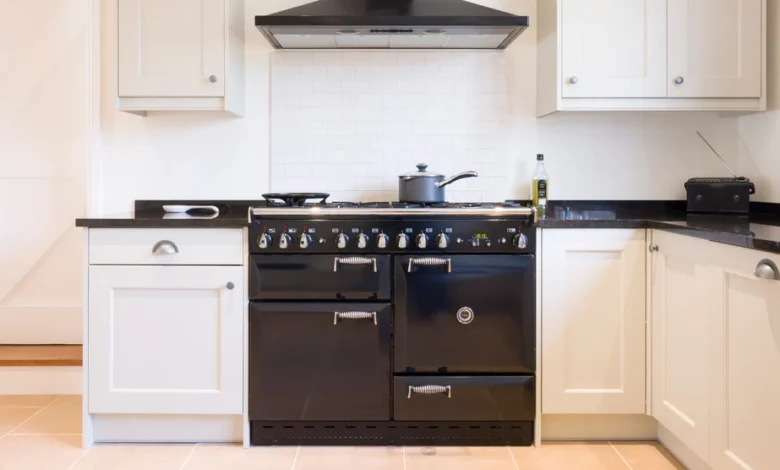
Buying a new cooker is a significant investment that can transform your kitchen and daily cooking experience. Whether you’re replacing an old appliance or outfitting a new home, the right cooker can make meal preparation more efficient, enjoyable, and even safer.
With advancements in technology and design, modern cookers offer a range of options from traditional gas models to cutting-edge induction systems. This comprehensive guide explores all the essential factors to help you make an informed decision, ensuring your choice aligns with your lifestyle, kitchen setup, and cooking needs.
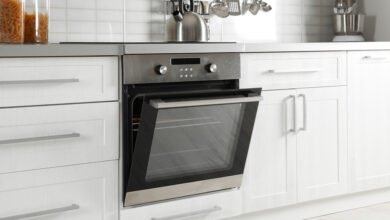
Cookers, often referred to as ranges or stoves in various regions, combine hobs for stovetop cooking with ovens for baking and roasting. They come in freestanding, slide-in, or built-in styles, each suited to different kitchen layouts.
As you embark on this purchase, consider how often you cook, the types of dishes you prepare, and the space available. A well-chosen cooker not only enhances functionality but also adds value to your home. Let’s dive into the key considerations.
Understanding Different Types of Cookers
One of the first decisions you’ll face when buying a new cooker is selecting the type that best suits your preferences and home infrastructure. The main categories include gas, electric, induction, and dual fuel models, each with distinct advantages and drawbacks.
Gas Cookers
Gas cookers use natural gas or propane to fuel open flames on the hob and often in the oven as well. They provide precise temperature control, allowing for quick adjustments during cooking. Home chefs who enjoy techniques like wok cooking or searing appreciate the instant heat response. Gas models are typically more affordable to operate in areas where gas is cheaper than electricity, and they continue to function during power outages.
However, gas cookers require a gas line installation, which might not be available in all homes. They can be less energy-efficient overall, with heat loss from open flames, and cleaning can be trickier due to grates and burners. Safety concerns include the risk of gas leaks, though modern models incorporate flame failure devices to mitigate this. According to recent reviews, gas ranges from brands like GE Profile excel in reliability for everyday use.
Electric Cookers
Electric cookers rely on electricity to heat coils or ceramic surfaces on the hob and elements in the oven. They offer even heating, especially in the oven, making them ideal for baking. Electric models are easier to clean with smooth surfaces and are safer without open flames. They’re a good choice for homes without gas connections and can be more energy-efficient in certain scenarios.
On the downside, electric hobs heat up and cool down slower than gas, which can affect cooking precision. Operating costs depend on electricity rates, and they won’t work during blackouts. Slide-in electric ranges from Samsung and GE are praised for their consistent performance in lab tests.
“Read Also: Best Cooker Designs for Stylish Kitchens“
Induction Cookers
Induction technology uses electromagnetic fields to heat cookware directly, leaving the hob surface cool to the touch. This makes them highly energy-efficient—up to 90% of energy is transferred to the food—and they boil water faster than gas or electric. Induction cookers are safe for families with children, easy to clean, and precise in temperature control.
The main cons are the higher upfront cost and the need for compatible magnetic cookware (like cast iron or stainless steel). They require electricity, so no operation during outages, and some users report a humming noise at high settings. Trends in 2026 show induction rising in popularity due to its efficiency and integration with smart home systems.
Dual Fuel Cookers
Dual fuel models combine a gas hob with an electric oven, offering the best of both worlds: precise gas control on top and even electric baking below. They’re favored by serious cooks for versatility in preparing diverse meals.
Drawbacks include higher costs, the need for both gas and electric connections, and potentially complex installation. Brands like Wolf and Miele lead in dual fuel reliability, with service rates under 10% in recent surveys.
To visualize these options, here are examples of gas, electric, and induction cooktops:
When choosing, assess your cooking style—frequent stir-frying might favor gas, while baking enthusiasts could prefer electric or dual fuel. Also, check local energy costs and availability.
“Read Also: Top 10 Cooker Brands You Can Trust“
Size and Space Considerations
The dimensions of your cooker must fit your kitchen seamlessly. Standard widths are 50cm, 60cm, or 90cm, but measure your space carefully, including height, depth, and any surrounding cabinets. Freestanding cookers are versatile and easier to install, while slide-in models provide a built-in look with overlapping countertops.
Consider the number of burners or zones: four is standard, but larger families might need five or six. Oven capacity varies; single ovens suit small households, while double ovens allow simultaneous cooking at different temperatures. For compact kitchens, look at models like the Everhot 60 for efficient use of space.
Ventilation is crucial—ensure adequate hood space above the cooker to remove steam and odors. If remodeling, factor in electrical or gas requirements early to avoid surprises.
Key Features to Look For
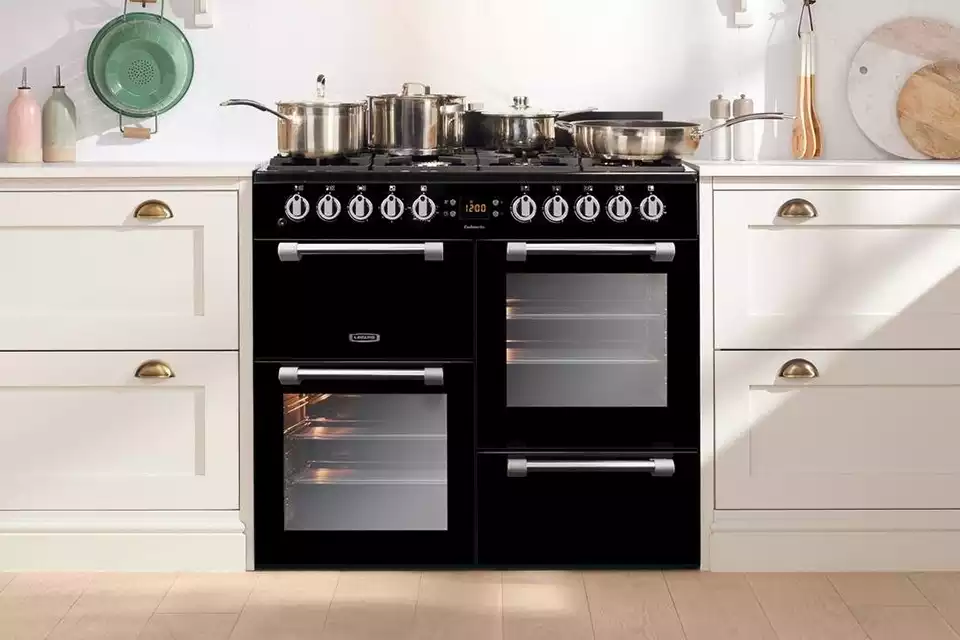
Modern cookers boast features that enhance usability and performance. Prioritize those that match your needs.
Oven Features
Look for convection ovens with fans for even heat distribution, reducing cooking time by up to 25%. Air-fry modes, steam-assisted cooking, and self-cleaning options (pyrolytic or catalytic) save effort. Double ovens or flexible cavities allow multi-tasking.
Hob Features
Continuous grates on gas hobs ease pot movement. Electric and induction often include bridge zones for larger cookware. Touch controls provide precision, while knobs offer tactile feedback.
Smart and Additional Features
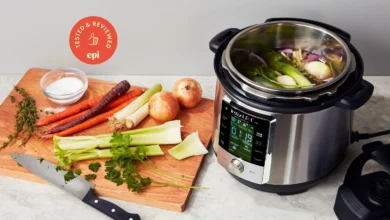
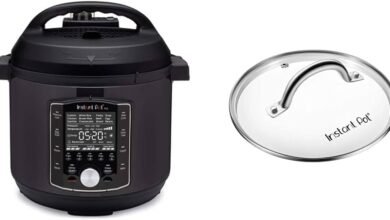
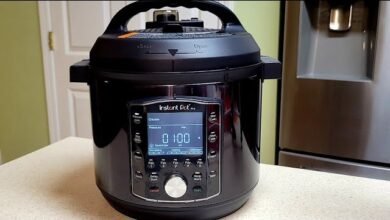
In 2026, smart cookers integrate with apps for remote monitoring, recipe guidance, and voice control via AI. Features like Sabbath mode or warming drawers add convenience. Multi-functional models combine pressure cooking, slow cooking, and more, as seen in Instant Pot and Breville units.
Evaluate energy ratings—A-rated models are more efficient, potentially saving on bills. Noise levels, especially for induction, and ease of cleaning are also vital.
Budget and Cost Factors
Cookers range from £300 for basic models to over £2000 for premium ones. Set a budget including installation (up to £150) and potential cookware upgrades for induction.
Factor in running costs: induction is most efficient, followed by electric, then gas. Warranties typically cover 1-5 years; extended options provide peace of mind. Shop during sales or bundles for savings.
Brand Reliability and Reviews
Reliability is key for longevity. Based on 2026 data, top brands include Speed Queen (3.7% service rate), LG, Miele, Bosch, and GE Profile, all under 10% first-year issues. Wolf and Gaggenau excel in high-end ranges.
Read user reviews on sites like Consumer Reports for real-world insights. Look for consistent praise in heating evenness and durability.
Here’s a glimpse of premium kitchen setups featuring reliable brands:
Safety Features
Prioritize safety with features like child locks, automatic shut-off, and cool-touch surfaces on induction. Gas models should have flame supervision devices. Overheat protection and anti-tip brackets prevent accidents.
Energy Efficiency and Environmental Impact
Energy-efficient cookers reduce bills and carbon footprints. Look for ENERGY STAR certification; induction models are up to 90% efficient. Trends include better insulation and eco-modes. Sustainable brands like Miele focus on longevity to minimize waste.
Installation and Maintenance
Professional installation ensures safety, especially for gas. Maintenance involves regular cleaning; self-cleaning ovens simplify this. Check warranty terms and local service availability.
Where to Buy and Shopping Tips
Purchase from reputable retailers like John Lewis or online giants for warranties and returns. Test models in showrooms. Compare prices, read specs, and consider second-hand for budgets, but verify condition.
“Read Also: Gas vs Electric Cookers: Which Is Better for Your Home“
Conclusion
Selecting the perfect cooker involves balancing type, size, features, budget, and reliability. By considering these factors, you’ll find a model that enhances your cooking routine for years. Whether opting for an energy-efficient induction or versatile dual fuel, your choice should reflect your unique needs. Happy cooking!