How to Start a Kitchen Project Without Regret: The Ultimate Guide

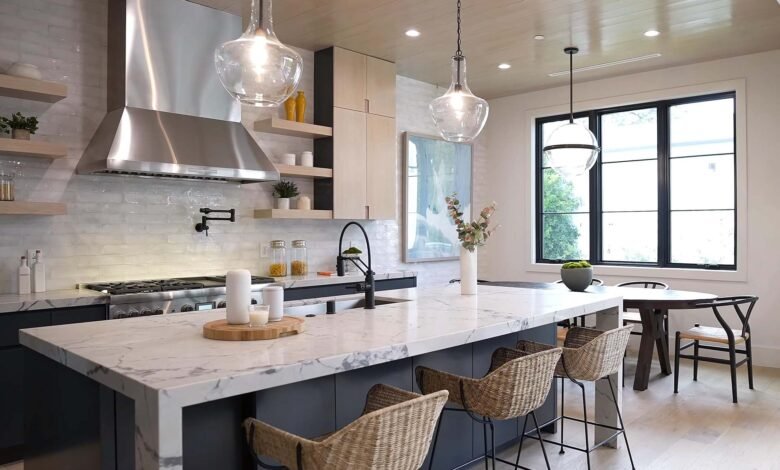
Embarking on a kitchen renovation or new build can be an exciting but daunting experience. The key to a successful kitchen project lies in careful planning, selecting the right professionals, and understanding the fundamentals of design and layout.
This comprehensive guide will walk you through the essential steps to start your kitchen project confidently, ensuring you achieve a beautiful, functional space delivered on time and within budget. Whether you’re a homeowner or a designer, these insights will help you avoid costly mistakes and create a kitchen that perfectly fits your lifestyle.
Choosing the Right Professionals for Your Kitchen Project
The foundation of any successful kitchen renovation is working with skilled and experienced professionals. Finding the best tradespeople and designers is critical. Take your time to research their portfolios, ask for references, and ensure they have prior experience with kitchen projects similar to yours .
Key Questions to Ask Your Contractor or Designer
-
How do you handle project overruns and delays?
-
How do you manage supply chain issues?
-
What is your approach to problem-solving?
-
Are you familiar with local building codes and ventilation requirements?
-
Can you provide references from previous clients?
Selecting a team that communicates well, understands your vision, and can execute the design flawlessly will save you headaches and ensure a seamless process .
Assessing Your Space and Lifestyle Needs
Before jumping into design choices, analyze your space and daily routines. Consider:
-
How much space do you have?
-
What is the primary function of your kitchen?
-
Which appliances do you frequently use or want to incorporate?
-
Do you want to highlight views or other objects?
-
How do you cook? Is there a specific cooking style or preference?
Understanding your specific needs allows for a personalized design, focusing on functionality and aesthetics .
Starting with the Sink
The most used element in any kitchen is the sink. Placing it strategically—often near windows or central locations—creates a natural focal point and a functional layout. Since the sink is central to the kitchen triangle, its location influences the entire design .
The Kitchen Triangle Concept
Traditionally, optimal kitchen flow is based on the kitchen triangle, connecting the stove, sink, and refrigerator with minimal movement. This layout ensures efficiency and ease of use, especially when cooking or cleaning .
Modern Zone-Based Design
Recent trends extend beyond the traditional triangle, adopting zone-based layouts tailored to specific tasks—such as prep, cooking, cleaning, and storage. This approach might involve centralized refrigeration or separate prep areas, depending on how often and in what ways you use your kitchen .
“Read Also: Thermador vs Miele Appliances“
Deciding on Primary Appliances
Your choice between wall-mounted units and full ranges significantly impacts kitchen flow. Smaller kitchens often benefit from integrated wall ovens and cooktops to maximize space, while larger areas can accommodate traditional ranges. Personal preferences and cooking habits should guide this decision .
Ventilation: Ensuring a Healthy, Smoke-Free Environment
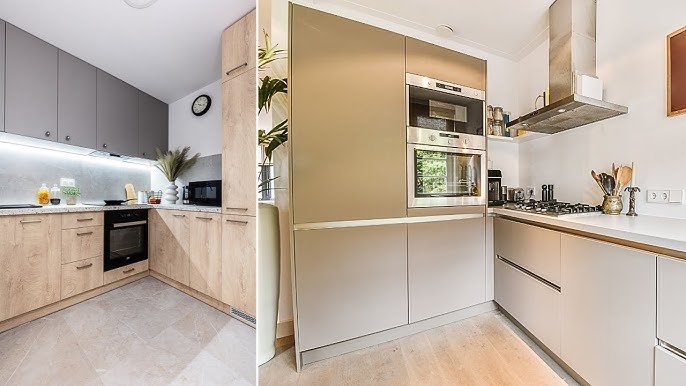
Proper ventilation is perhaps the most overlooked aspect of kitchen design. An effective range hood should capture smoke, grease, and harmful compounds directly at the source. The ideal hood size and CFM (cubic feet per minute) depend on your cooking style; high-output cooking like stir-frying requires more powerful ventilation .
Venting Tips
-
Use properly rated ductwork with straight runs; avoid long or angled ducts.
-
Select a hood with sufficient CFM—typically 600-1200 CFM based on cooking intensity.
-
Ensure the hood is positioned correctly over the cooktop, usually 24-30 inches above the surface.
-
Consider makeup air systems if your ventilation exceeds 400 CFM to prevent negative pressure .
Common Mistakes to Avoid
-
Using downdraft extractors with low capture efficiency.
-
Installing insufficient CFM hoods for your cooking style.
-
Poor duct routing that reduces airflow and effectiveness.
Selecting Refrigerator Types and Secondary Appliances
Refrigeration options include full-depth, counter-depth, and integrated models, each serving different aesthetic and space needs. Counter-depth units blend seamlessly with cabinetry, offering a sleek look but with slightly less storage, while full-depth models provide maximum capacity .
Placement and Integration
-
Place refrigerators where they are easily accessible but do not disrupt the kitchen’s workflow.
-
For secondary appliances like wine coolers or microwave drawers, consider proximity to primary work zones.
-
Ensure that the appliances you choose are compatible with your cabinetry dimensions and can be serviced locally.
Lighting: The Key to a Functional and Inviting Kitchen
Proper lighting combines task, accent, and ambient elements to create a balanced, functional space. Recessed lights should be positioned about three to four feet apart, providing ample task lighting near work surfaces .
Lighting Tips
-
Use warm color temperatures (2500-3000K) for a cozy atmosphere.
-
Incorporate under-cabinet lighting to highlight countertops and improve task visibility.
-
Use decorative fixtures for ambient lighting, but avoid placing recessed lights behind the user to prevent glare.
Final Tips for a Successful Kitchen Project
-
Plan meticulously: Measure your space, list priorities, and sketch layouts.
-
Communicate clearly with your team and suppliers.
-
Prioritize the sink, cooktop, and refrigerator placement based on your daily routines.
-
Select appliances and fixtures compatible with your space and style.
-
Invest in proper ventilation and lighting from the start.
-
Stick to your blueprint to stay on budget and timeline.
Conclusion
Starting a kitchen project without regret involves strategic planning, choosing experienced professionals, and understanding the fundamental principles of design. By focusing on your specific needs, optimizing layout, and paying attention to critical elements like ventilation and lighting, you can create a kitchen that is not only beautiful but highly functional. Embrace this comprehensive approach, and your dream kitchen will become a reality—delivered on time and within budget.
FAQs About Starting a Kitchen Renovation
Q1: How do I choose between a full range and a cooktop with wall ovens?
A1: Consider your cooking habits and space. Full ranges are ideal for traditional cooking, while wall ovens and cooktops offer flexibility and save space for smaller kitchens .
Q2: What is the most important factor in kitchen lighting?
A2: Task lighting is crucial for functionality, particularly around work surfaces. Combining recessed, under-cabinet, and decorative lighting creates a balanced environment .
Q3: How do I ensure my ventilation system is effective?
A3: Use a hood with adequate CFM based on your cooking style, position it correctly, and ensure proper duct routing for maximum efficiency .
Q4: What refrigerator type is best for a seamless look?
A4: Integrated or panel-ready fridges blend into cabinetry for a sleek look, especially suitable for modern design preferences .
Q5: How long does a typical kitchen project take?
A5: Depending on complexity, most projects range from several weeks to a few months, with planning and clear communication significantly affecting timelines .