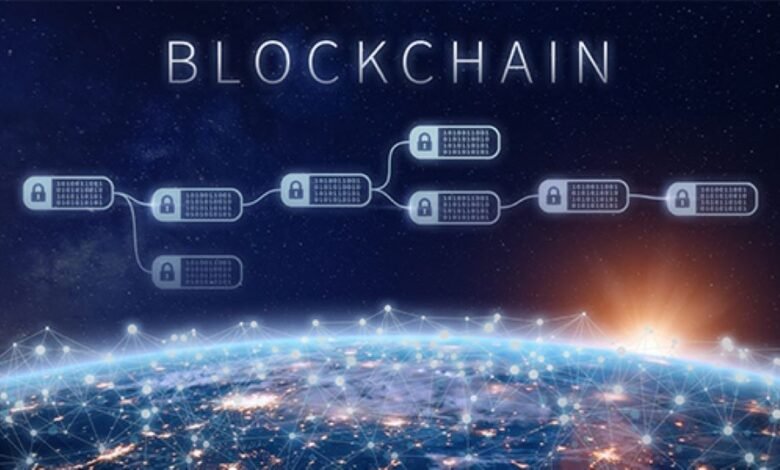
In our fast-evolving digital era, blockchain technology stands out as one of the most transformative innovations reshaping multiple sectors. Originally developed as the foundation for cryptocurrencies like Bitcoin, blockchain has expanded far beyond digital money.
Today, its applications span finance, healthcare, supply chain management, real estate, education, government, energy, agriculture, and more. Blockchain delivers secure, transparent, and tamper-resistant solutions through a decentralized system that prevents manipulation and ensures data integrity.
In this comprehensive article, we explore how blockchain works, its historical development, and its most impactful real-world applications across diverse fields—highlighting benefits, challenges, and the promising future ahead.
What Is Blockchain?
Blockchain is a distributed digital ledger that records transactions across a network of computers in a secure, immutable manner. It consists of a chain of blocks, where each block contains a set of transactions linked to the previous one through cryptographic hashes. This decentralized structure means no single entity controls the ledger, making it highly resistant to hacking and fraud.
While blockchain gained fame through cryptocurrencies, its core principles—transparency, security, and trust without intermediaries—enable applications in virtually any domain requiring reliable data tracking and verification.
The Evolution of Blockchain
The blockchain story began in 2008 when an individual or group known as Satoshi Nakamoto published a whitepaper describing Bitcoin, a peer-to-peer electronic cash system. The first blockchain went live in 2009 with Bitcoin’s genesis block. The technology evolved significantly in 2015 with Ethereum’s introduction of smart contracts—self-executing code that automates agreements without intermediaries.
By 2026, platforms like Solana, Avalanche, and layer-2 solutions have pushed boundaries in speed, scalability, and efficiency. Institutional adoption has surged, with major enterprises and financial institutions integrating blockchain into production systems, moving far beyond experimental pilots.
How Blockchain Works
Blockchain operates through a consensus mechanism where network participants validate transactions before adding them to a new block. Popular mechanisms include Proof of Work (used by Bitcoin) and Proof of Stake (more energy-efficient and widely adopted in modern networks).
Once a block is added and linked via cryptography, altering it would require changing every subsequent block across the majority of the network—an computationally infeasible task. This design guarantees immutability, transparency, and trust in a trustless environment, forming the backbone of all blockchain applications.
Blockchain Applications in Finance

Finance remains the most mature domain for blockchain applications. Decentralized Finance (DeFi) enables lending, borrowing, trading, and yield farming without traditional banks or intermediaries, significantly reducing costs and increasing accessibility. Ethereum-based protocols alone manage tens of billions in locked value. Stablecoins like USDT and USDC facilitate fast, low-cost cross-border payments and remittances.
By 2026, institutional adoption bridges traditional finance (TradFi) and DeFi, with tokenized real-world assets (RWAs), regulated trading, and enterprise-grade infrastructure becoming mainstream. Blockchain also powers faster settlements, fraud reduction, and inclusive financial services for the unbanked.
Blockchain Applications in Healthcare
In healthcare, blockchain secures electronic health records (EHRs), enabling patients to control and share their medical data securely across providers while preventing unauthorized alterations. This improves diagnosis accuracy, treatment coordination, and reduces administrative overhead.
Blockchain also combats counterfeit drugs by creating transparent pharmaceutical supply chains, tracking every step from manufacturing to patient delivery. Emerging trends in 2026 include automated insurance claims via smart contracts and decentralized records that enhance privacy and interoperability.
The healthcare blockchain market is projected for explosive growth, driven by the need for secure, patient-centric data management.
“Read Also: فيلم انجي خوري مع انطونيو سليمان الجديد 2026: قراءة تحليلية وتفاصيل“
Blockchain Applications in Supply Chain Management
Supply chain transparency is one of blockchain’s most practical and widely adopted use cases. By recording every transaction immutably—from raw materials to end consumers—blockchain enables real-time traceability, reduces fraud, and ensures product authenticity.
Companies like Walmart and IBM have implemented systems that trace food origins in seconds, minimizing contamination risks and recalls. In 2026, blockchain supports ethical sourcing, temperature monitoring for perishables, and compliance with global regulations, delivering massive efficiency gains across logistics, retail, and manufacturing.
Blockchain Applications in Real Estate
Real estate benefits from blockchain through streamlined property transactions, tokenized ownership, and reduced intermediaries. Smart contracts automate title transfers, escrow processes, and payments, cutting closing times and costs dramatically.
Tokenization allows fractional ownership of high-value properties, opening investment opportunities to smaller investors. Platforms in 2026 increasingly handle secure, verifiable land registries and cross-border deals, addressing issues like fraud and opaque ownership records in many markets.
“Read Also: Olympic Ice Hockey 2026“
Blockchain Applications in Education
In education, blockchain verifies credentials and certificates immutably, eliminating fake degrees and simplifying hiring processes. Students can store achievements in personal digital wallets, sharing verified records instantly with employers or institutions.
Countries like Estonia have pioneered blockchain-based educational records. By 2026, this extends to lifelong learning portfolios, micro-credentials, and secure sharing of academic data across borders.
Blockchain Applications in Government and Voting
Governments leverage blockchain for transparent public spending, secure digital identities, and fraud-resistant voting systems. Electronic voting on blockchain ensures verifiability while preserving voter anonymity.
Immutable ledgers track public funds, reducing corruption. Digital identity solutions enable secure access to services. Pilot projects in various nations demonstrate blockchain’s potential to rebuild trust in public institutions.
Blockchain Applications in Energy
The energy sector uses blockchain for peer-to-peer trading of renewable energy. Households with solar panels can sell excess power directly to neighbors via smart contracts, optimizing distribution and incentivizing green energy. Platforms emphasize carbon-neutral operations. In 2026, blockchain supports tokenized energy credits, grid management, and transparent carbon tracking.
Blockchain Applications in Agriculture
Agriculture gains from end-to-end traceability of produce, ensuring food safety, fair trade, and quality assurance. Farmers record planting, harvesting, and transport data on blockchain, allowing consumers to verify origins. Direct marketplace connections reduce intermediaries, increasing farmer profits. Applications also track sustainable practices and certifications.
Key Benefits of Blockchain Applications
Blockchain delivers transformative advantages across industries:
| Benefit | Description |
|---|---|
| Transparency | All transactions are visible and permanently recorded. |
| Security | Cryptographic protection and decentralization resist tampering. |
| Efficiency | Removes intermediaries, speeding processes and cutting costs. |
| Trust | Enables verification without relying on third parties. |
| Accessibility | Opens financial and data services to underserved populations. |
Challenges and Limitations
Despite its potential, blockchain faces hurdles: scalability issues in high-volume networks, high energy consumption in some protocols, regulatory uncertainty, and the need for user education. Interoperability between chains and integration with legacy systems remain ongoing challenges. Solutions like layer-2 scaling and energy-efficient consensus are addressing these in 2026.
The Future of Blockchain Applications
Looking ahead to 2030 and beyond, blockchain is poised for mainstream integration. Tokenization of real-world assets, cross-chain interoperability, AI-blockchain convergence, and enterprise adoption will drive innovation. DeFi will mature with better regulation, while supply chain, healthcare, and identity solutions become standard infrastructure. Blockchain is transitioning from experimentation to foundational technology powering a more efficient, inclusive digital economy.
Blockchain Applications: Conclusion
Blockchain applications represent a fundamental shift in how we handle data, value, and trust in the digital world. From revolutionizing finance and securing healthcare records to ensuring transparent supply chains and enabling new forms of ownership, this technology continues to unlock unprecedented possibilities. As adoption accelerates and technical barriers fall, investing in blockchain today means building toward a more secure, efficient, and equitable tomorrow.