Hydroelectric Maintenance and Industrial Repair: Inside High-Stakes Engineering Operations

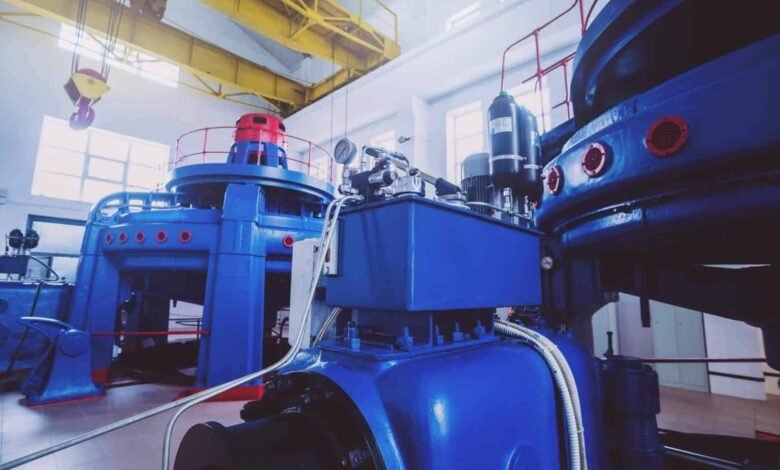
Hydroelectric maintenance and industrial repair play a crucial role in keeping essential infrastructure running safely and efficiently. From restoring water flow in alpine rivers to maintaining massive locomotives and high-rise construction cranes, these operations demand precision, teamwork, and technical expertise.
In this article, we take you deep inside real-world engineering environments where teams work against tight deadlines, harsh conditions, and complex mechanical challenges to ensure systems function as intended.
The Importance of Hydroelectric Maintenance in River Ecosystems
At the heart of hydroelectric systems lies a delicate balance between energy production and environmental sustainability. One critical component in this balance is the submerged discharge valve (SDV), which regulates water release from dams.
Why Environmental Water Release Matters
Releasing environmental water from dams is not just a technical process—it is essential for maintaining natural ecosystems. Proper water flow:
- Revives downstream rivers
- Restores oxygen levels in water
- Supports aquatic life such as fish and insects
- Sustains birds and surrounding biodiversity
Without proper discharge systems, rivers downstream can become stagnant, harming entire ecosystems.
The Role of the Submerged Discharge Valve (SDV)
The SDV is a key mechanism that ensures water is released in a controlled and natural manner. When functioning correctly, it mimics the natural flow of alpine rivers, maintaining ecological balance.
However, when such a system goes offline—as in the case described—manual water release becomes necessary, which is far less efficient and sustainable.
Complex Installation of a 6.5-Ton Valve
After nearly two years of delays, a critical replacement part finally arrives: a 6.5-ton submerged discharge valve. Installing it is no simple task.
Step-by-Step Installation Process
The installation involves multiple high-risk steps:
- Dismantling the Structure
- Removing concrete roof sections (each weighing over 12 tons)
- Taking out floor grates for access
- Precision Crane Operations
- Using a 55-ton mobile crane
- Lifting and rotating the valve into a vertical position
- Lowering Through Tight Clearance
- The valve must fit into a narrow access hole with minimal tolerance
- Aligning Critical Components
- Three flanges (one vertical and two horizontal) must align perfectly
Challenges During Installation
Despite careful planning, several obstacles arise:
- Sediment buildup blocking the foundation
- Limited suction capacity during cleaning operations
- Tight spatial constraints
- Risk of wind affecting crane stability
- Misalignment of the valve during placement
Each issue requires quick thinking and teamwork to resolve.
The Role of Teamwork in Industrial Repair
One of the defining factors behind successful industrial repair operations is teamwork.
Coordination Across Multiple Levels
During the valve installation:
- Workers operate on three different levels simultaneously
- Communication must be constant and precise
- A single coordinator controls the crane movement
Problem-Solving Under Pressure
When the valve fails to align correctly, the team must:
- Reassess lifting angles
- Adjust rigging
- Repeat the process
Persistence and collaboration ultimately lead to success, as the valve is finally installed and commissioned.
Locomotive Maintenance: Keeping Freight Moving
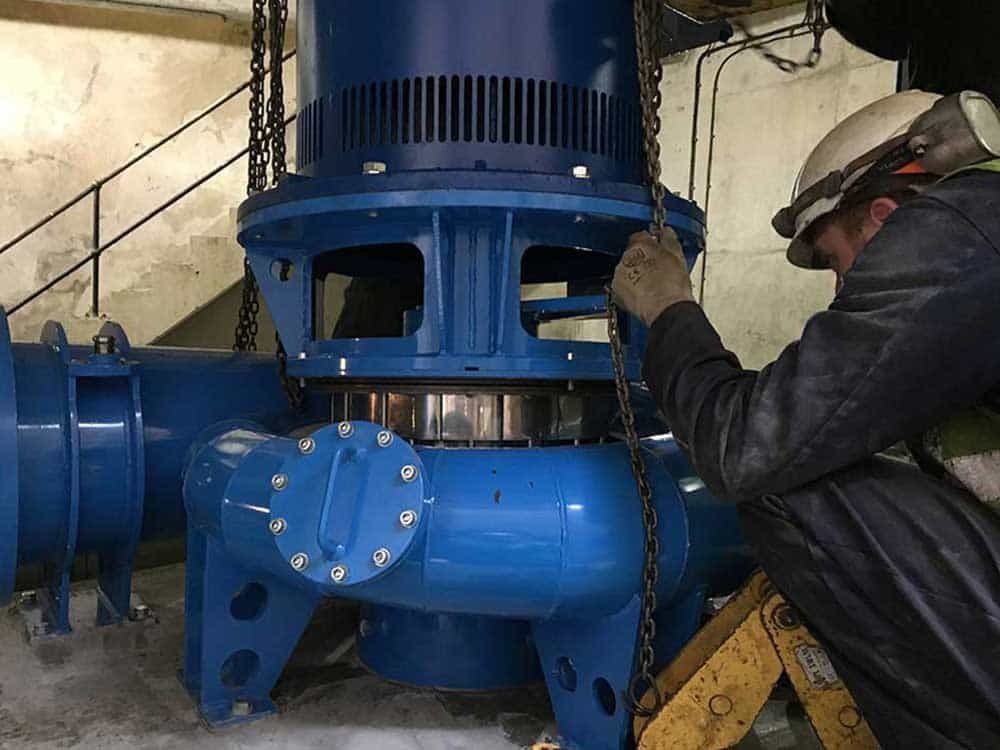
Beyond hydroelectric systems, industrial repair extends to railway operations, where diesel-electric locomotives require regular servicing.
The Scope of a 180-Day Service
Each locomotive undergoes inspection of approximately 85 components, including:
- Air, oil, and fuel filters
- Brake systems
- Traction motors
- Exhaust manifolds
Common Issues Found
During inspection, teams discover:
- Leaking exhaust manifolds
- Oil leaks from overspeed trip housings
- Worn or damaged traction motor brushes
- Engine inefficiencies causing black smoke
These issues must be resolved quickly to avoid costly breakdowns.
High-Risk Repairs Inside Engine Bays
Working inside locomotive engine compartments presents unique challenges:
- Confined spaces
- High temperatures
- Limited visibility
- Risk of dropping tools into critical components
The Danger of Small Mistakes
Something as minor as a lost bolt can cause catastrophic damage:
- It may fall into engine cylinders
- Collide with pistons
- Destroy internal components
This highlights the importance of precision and attention to detail in industrial repair.
Fabrication and Improvisation in Maintenance Work
Not all problems have ready-made solutions.
When Parts Don’t Fit
Technicians encounter unexpected issues such as:
- Incorrect gasket sizes
- Non-compatible replacement parts
On-the-Spot Solutions
Instead of delaying the project, teams:
- Fabricate custom gaskets manually
- Modify installation techniques
- Adapt components to fit existing systems
This flexibility is essential in meeting tight deadlines.
“Read Also: Engineering“
Crane Maintenance at Extreme Heights
Another critical aspect of hydroelectric maintenance and industrial repair is servicing heavy construction equipment, such as cranes.
Working 30 Meters Above Ground
Technicians must:
- Access cranes using lifting cages
- Work at heights equivalent to multi-story buildings
- Perform maintenance under strict time constraints
Key Maintenance Tasks
Crane servicing includes:
- Engine oil replacement
- Hydraulic system checks
- Wire rope inspection (over 100 meters long)
- Safety component verification
Safety First
At such heights, safety is non-negotiable:
- Harnesses must be worn at all times
- Equipment must be secured
- Movements must be controlled and deliberate
Time Pressure and Weather Challenges
Across all operations—whether at a dam, railway workshop, or construction site—time is a critical factor.
Tight Deadlines
- Valve installation: 2 days
- Locomotive servicing: 2 days
- Crane maintenance: a few hours
Weather Uncertainty
Weather conditions can change rapidly, affecting:
- Crane operations
- Safety conditions
- Project timelines
Teams must adapt quickly to avoid delays.
Final Commissioning and System Testing
After installation and repairs, systems must be tested thoroughly.
Valve Pressure Testing
Before being put into service:
- The valve undergoes pressure testing
- Flanges are checked for leaks
- Structural integrity is verified
Once approved, the system is handed back to the control center, allowing the river to flow naturally again.
Locomotive Restart Procedures
After maintenance:
- Fuel systems are primed
- Air is removed from lines
- Engines are restarted and tested
Successful startup marks the completion of the repair cycle.
FAQs About Hydroelectric Maintenance and Industrial Repair
1. What is hydroelectric maintenance?
Hydroelectric maintenance involves inspecting, repairing, and upgrading equipment in hydroelectric systems to ensure efficient and safe operation.
2. Why is environmental water release important?
It helps maintain natural river ecosystems by restoring flow, oxygen levels, and supporting aquatic and wildlife habitats.
3. What challenges are common in industrial repair?
Common challenges include tight deadlines, equipment failures, limited space, and unexpected part incompatibilities.
4. How dangerous is crane maintenance?
Crane maintenance can be high-risk due to extreme heights, heavy machinery, and the need for precise operations.
5. Why is teamwork critical in these operations?
Complex tasks require coordination between multiple specialists, making communication and collaboration essential for success.
Hydroelectric maintenance and industrial repair: Conclusion
Hydroelectric maintenance and industrial repair are the backbone of modern infrastructure. Whether it’s restoring river ecosystems through precise valve installations, ensuring locomotives run efficiently, or maintaining cranes high above the ground, these operations demand expertise, resilience, and teamwork.
From overcoming mechanical failures to adapting under pressure, the professionals behind these tasks ensure that essential systems continue to function smoothly. Their work not only supports industries but also protects the environment and public safety.
If you found this behind-the-scenes look insightful, consider sharing it or leaving a comment—your engagement helps highlight the importance of these often unseen but critical operations.