Hydropower Plant Maintenance: Inside the High-Stakes Overhaul at Murray 1 Power Station

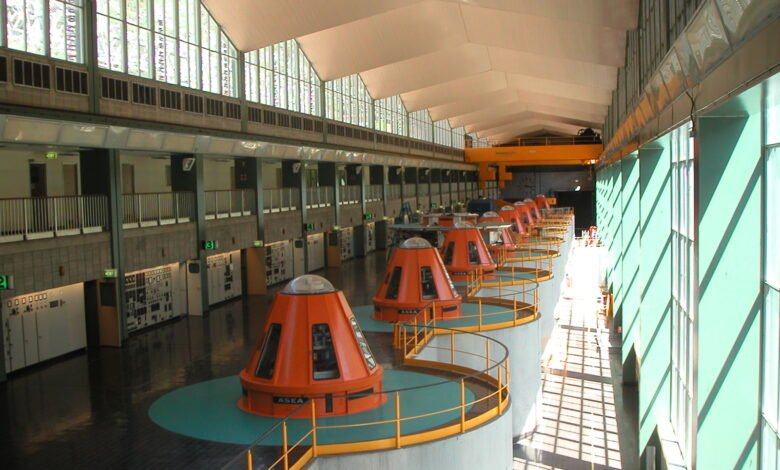
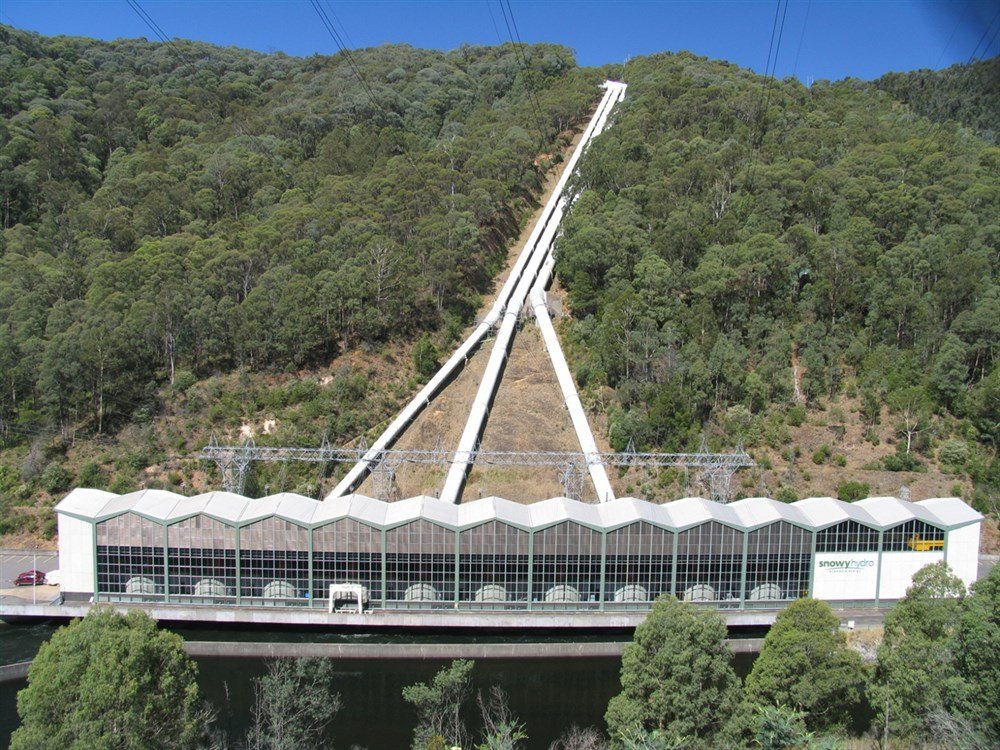
Hydropower plant maintenance is one of the most critical processes in ensuring a stable and sustainable energy supply. Deep within Australia’s alpine region, the Murray 1 Power Station—part of the Snowy Hydro Scheme—stands as a powerful example of engineering excellence and operational precision.
Located beneath the towering peaks of Kosciuszko National Park, this massive facility produces nearly 950 megawatts of electricity, contributing significantly to the region’s energy grid. But behind this impressive output lies a complex world of maintenance, repair, and high-risk operations.
In this article, we take you behind the scenes of a major overhaul at Murray 1, exploring how expert teams work against time, technical challenges, and extreme precision requirements to bring a critical generator unit back online.
What Is Hydropower Plant Maintenance and Why It Matters
Hydropower plant maintenance refers to the inspection, repair, and overhaul of systems that convert water flow into electricity. These systems include turbines, generators, shafts, and control mechanisms that must operate flawlessly.
At Murray 1, water flows through turbines at 24,000 liters per second, spinning massive shafts at 500 revolutions per minute. This kinetic energy is then converted into electricity and fed into the grid.
Why Maintenance Is Crucial
- Prevents catastrophic mechanical failures
- Ensures consistent electricity generation
- Extends the lifespan of expensive infrastructure
- Minimizes downtime and financial losses
When a unit is offline, it’s not generating power—and that directly impacts both revenue and energy supply.
The Murray 1 Overhaul: A High-Stakes Operation
At the heart of this hydropower plant maintenance project is Unit 2, a generator that was taken out of service due to severe structural damage.
The Core Problem
The turbine’s top cover—an essential component—developed extensive cracking. Weighing 17 tons, this massive structure had to be removed and sent offsite for repairs.
The overhaul required:
- 20,000 hours of labor
- Months of disassembly and inspection
- Precision engineering at sub-millimeter levels
Even after reinstalling the repaired component, the work was far from over.
“Read Also: Heavy Machinery Maintenance and Overhaul“
Reassembling the Turbine: Precision at Every Step
Installing the Intermediate Shaft
One of the most critical steps in hydropower plant maintenance is reinstalling the intermediate shaft—a component that connects the turbine to the generator.
- Height: 5 meters
- Weight: Over 10 tons
- Function: Transfers rotational energy from turbine to generator
Why Precision Matters
Even a deviation of 0.6 millimeters can cause:
- Mechanical stress
- Component misalignment
- Potential system failure
Technicians must carefully calibrate every component, ensuring perfect alignment before installation.
Complex Lifting Operations in Hydropower Plant Maintenance
Multi-Level Crane Coordination
Installing the intermediate shaft is not a simple lift. It involves:
- Overhead cranes
- Turbine-level cranes
- Multi-stage lowering across three levels
The process demands flawless coordination. Any mistake could lead to:
- Equipment damage
- Project delays
- Safety risks
Risk Management in Action
To mitigate risks:
- Drop zones are clearly marked
- Teams conduct detailed risk assessments
- Spotters monitor every movement
This level of planning ensures both safety and efficiency during heavy lifting operations.
The Role of Leadership in Maintenance Success
Effective hydropower plant maintenance isn’t just about machines—it’s about people.
Leaders on-site emphasize:
- Clear communication
- Hands-on supervision
- Team coordination
Rather than applying pressure, leadership focuses on support and visibility, ensuring every team member understands their role in the operation.
“Read Also: Heavy Engineering Operations“
Commissioning and Testing: The Moment of Truth
Once reassembly is complete, the system enters the commissioning phase—arguably the most critical stage in hydropower plant maintenance.
What Is Commissioning?
It’s the process of testing the system under real operating conditions to ensure everything works as intended.
Key Tests Conducted
- Initial rotation tests
- Vibration monitoring
- Load rejection tests
- Full-capacity performance checks
Even the smallest miscalculation can lead to major issues.
“Read Also: Semiconductor Manufacturing Process“
When Things Go Wrong: Troubleshooting Under Pressure
During testing, engineers discovered a serious issue:
The turbine unit was lifting by 1.3 millimeters, risking contact with internal components.
Why This Is Dangerous
- Could cause turbine damage
- May lead to system failure
- Could require months of rework
The Solution
Engineers adjusted pressure levels within the turbine system by:
- Modifying orifice plates
- Increasing pressure on the runner
- Rebalancing internal forces
This fine-tuning process required both technical expertise and rapid problem-solving.
Final Testing and Success
After implementing adjustments, the team conducted another round of tests.
The Results
- Stable operation achieved
- No abnormal vibrations detected
- Load rejection test passed
With all systems functioning correctly, Unit 2 was successfully returned to service—just in time for peak summer demand.
“Read Also: Hydroelectric Maintenance and Industrial Repair“
Parallel Engineering Efforts: Aviation Maintenance Under Pressure
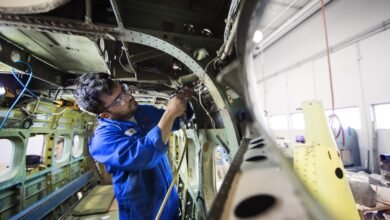
While hydropower plant maintenance was underway, another high-stakes operation was taking place in Brisbane—this time in aviation.
Aircraft Engine Replacement
A Royal Flying Doctor Service aircraft required:
- Engine replacement
- Structural frame repair
- Full system inspection
Challenges Faced
- Cracked engine frame
- Corrosion issues
- Misaligned components
Despite setbacks, the team:
- Repaired structural issues
- Installed a new engine
- Completed testing within tight deadlines
Why It Matters
These aircraft provide critical medical services to remote communities, making maintenance just as vital as in power generation.
“Read Also: Engineering“
Lessons Learned from Hydropower Plant Maintenance
This case study highlights several key insights:
1. Precision Is Everything
Even fractions of a millimeter can determine success or failure.
2. Teamwork Drives Success
From engineers to crane operators, coordination is essential.
3. Planning Minimizes Risk
Detailed preparation prevents costly mistakes.
4. Flexibility Is Key
Unexpected problems require quick, effective solutions.
The Bigger Picture: Energy Reliability and Infrastructure
Hydropower plant maintenance plays a vital role in:
- Energy security
- Infrastructure reliability
- Economic stability
Facilities like Murray 1 are not just power stations—they are critical assets that support entire regions.
Conclusion: The Future of Hydropower Plant Maintenance
Hydropower plant maintenance is a complex, high-stakes field that combines engineering precision, teamwork, and problem-solving under pressure.
The successful overhaul of Murray 1’s Unit 2 demonstrates how:
- Skilled teams
- Advanced engineering
- Careful planning
can bring massive systems back to life.
As energy demands continue to grow, maintaining and optimizing hydropower infrastructure will remain essential for a sustainable future.
Frequently Asked Questions About Hydropower Plant Maintenance
1. What is hydropower plant maintenance?
Hydropower plant maintenance involves inspecting, repairing, and upgrading systems that generate electricity from water flow to ensure safe and efficient operation.
2. Why is precision important in hydropower maintenance?
Because even tiny misalignments can cause mechanical stress, reduce efficiency, or lead to system failure.
3. How long does a hydropower overhaul take?
It can take several months, depending on the complexity of the repairs and the size of the equipment involved.
4. What happens if a hydropower unit fails during operation?
It may cause power outages, equipment damage, and costly downtime, which is why regular maintenance is critical.
5. How do engineers test a hydropower system after maintenance?
They perform commissioning tests, including rotation checks, vibration monitoring, and load tests to ensure safe operation.
If you found this deep dive into hydropower plant maintenance insightful, feel free to share it or leave a comment with your thoughts or questions.