Heavy Machinery Maintenance and Overhaul: Inside the High-Stakes World of Industrial Engineering

Heavy machinery maintenance is the backbone of modern infrastructure, ensuring that trains run on time, electricity flows uninterrupted, and large-scale industrial operations remain efficient. Behind every functioning locomotive, hydroelectric plant, or earthmoving machine lies a team of skilled technicians working under pressure, often in tight spaces and against strict deadlines.
From removing a six-ton locomotive engine in a cramped workshop to resealing critical valves deep inside a hydroelectric power station, these operations demand precision, teamwork, and expertise. In this article, we take you inside the world of industrial maintenance, exploring real-life scenarios where engineering challenges meet human determination.
The Importance of Heavy Machinery Maintenance
Heavy machinery is built to endure extreme workloads, but even the most robust systems require regular servicing. Preventive maintenance is essential to avoid catastrophic failures that could disrupt transportation, energy production, or construction projects.
In the case of locomotives, engines can run for thousands of hours and complete hundreds of long-distance trips before requiring a midlife overhaul. For example, a single train engine may travel over 1,700 kilometers per journey and operate continuously for years. Without proper maintenance, even minor issues can escalate into costly breakdowns.
Similarly, hydroelectric power stations rely on precision-engineered components such as valves and turbines. A single faulty seal can reduce output capacity by up to 50%, affecting thousands of homes and businesses.
Locomotive Engine Overhaul: Precision in Tight Spaces
Removing a Six-Ton Engine
One of the most challenging aspects of heavy machinery maintenance is handling massive components in confined spaces. In locomotive workshops, technicians must carefully remove engines weighing several tons with minimal clearance on either side.
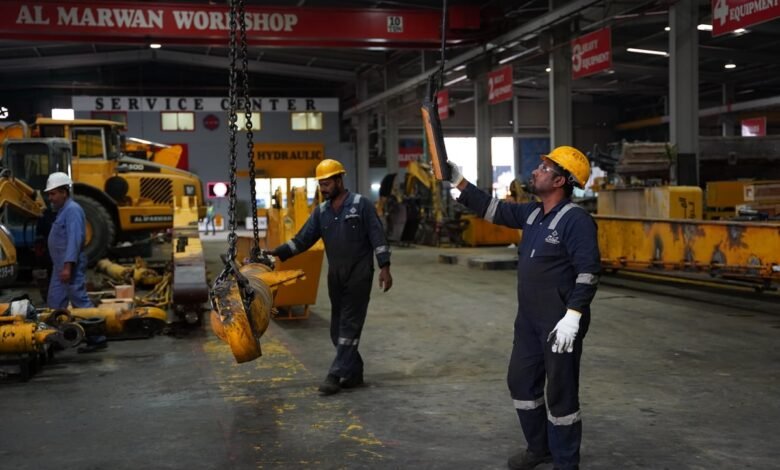
Using overhead gantry cranes, teams begin by dismantling surrounding components such as mufflers, cooling pipes, and exhaust systems. Each step must be executed with precision, as even a slight misalignment can cause damage.
The engine itself—often a twin-turbo V12 diesel—can produce up to 1,800 horsepower. Extracting it requires coordinated communication between technicians and crane operators, ensuring smooth lifting without sudden movements.
Diagnosing Hidden Problems
Once the engine is removed, the real work begins. Technicians disassemble components to inspect for hidden faults such as:
- Cracked brackets
- Coolant leaks
- Damaged O-rings
- Worn cylinder liners
These issues are not always detectable during normal operation. However, if left unresolved, they can lead to severe performance problems or complete engine failure.
Reassembly and Testing
After repairs, the engine is reassembled and prepared for reinstallation. This process demands extreme accuracy, especially when aligning bolts and couplings within millimeter tolerances.
Once installed, the engine must perform flawlessly, often powering trains at speeds of up to 160 km/h. Any mistake during reassembly could result in delays, safety risks, or costly downtime.
Hydroelectric Power Station Maintenance: Working Underground
The Challenge of In-Situ Repairs
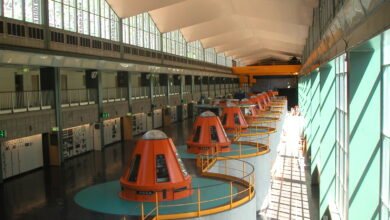
Hydroelectric plants present a different set of challenges. Maintenance often takes place hundreds of meters underground, in narrow tunnels and confined chambers.
One critical component is the main inlet valve (MIV), which controls water flow into turbines. These valves can weigh up to 50 tons and are typically removed for repairs—a process that can take over a year.
However, performing repairs in situ (on-site) significantly reduces downtime. This approach requires engineers to work inside large pipes, sometimes just wide enough for a person to stand.
Resealing the System
A key maintenance task involves replacing seals and O-rings that prevent water leakage. The process includes:
- Cleaning and preparing the sealing surface
- Installing new O-rings
- Securing clamping components evenly
- Conducting pressure tests
Even minor misalignment can result in leaks during testing, requiring adjustments and rework.
High-Stakes Pressure Testing
Pressure testing is a critical phase. Engineers gradually introduce water pressure to check for leaks. If the seal fails, workers inside the system may be exposed to sudden bursts of water.
Despite these risks, successful testing restores the plant’s full capacity, enabling it to power tens of thousands of homes efficiently.
“Read Also: Heavy Engineering Operations“
Earthmoving Equipment Overhaul: Restoring Industrial Giants
Disassembling a 75-Ton Machine
Earthmoving machines, such as twin-powered scrapers, are among the largest and most demanding equipment in industrial operations. These machines can weigh up to 75 tons and operate for thousands of hours annually.
Overhauling such equipment begins with separating major components, including:
- Tractor and scraper sections
- Front and rear engines
- Transmission systems
- Hydraulic components
Removing large pins and connectors requires hydraulic tools and cranes, as even small parts can weigh over 50 kilograms.
Identifying Structural Damage
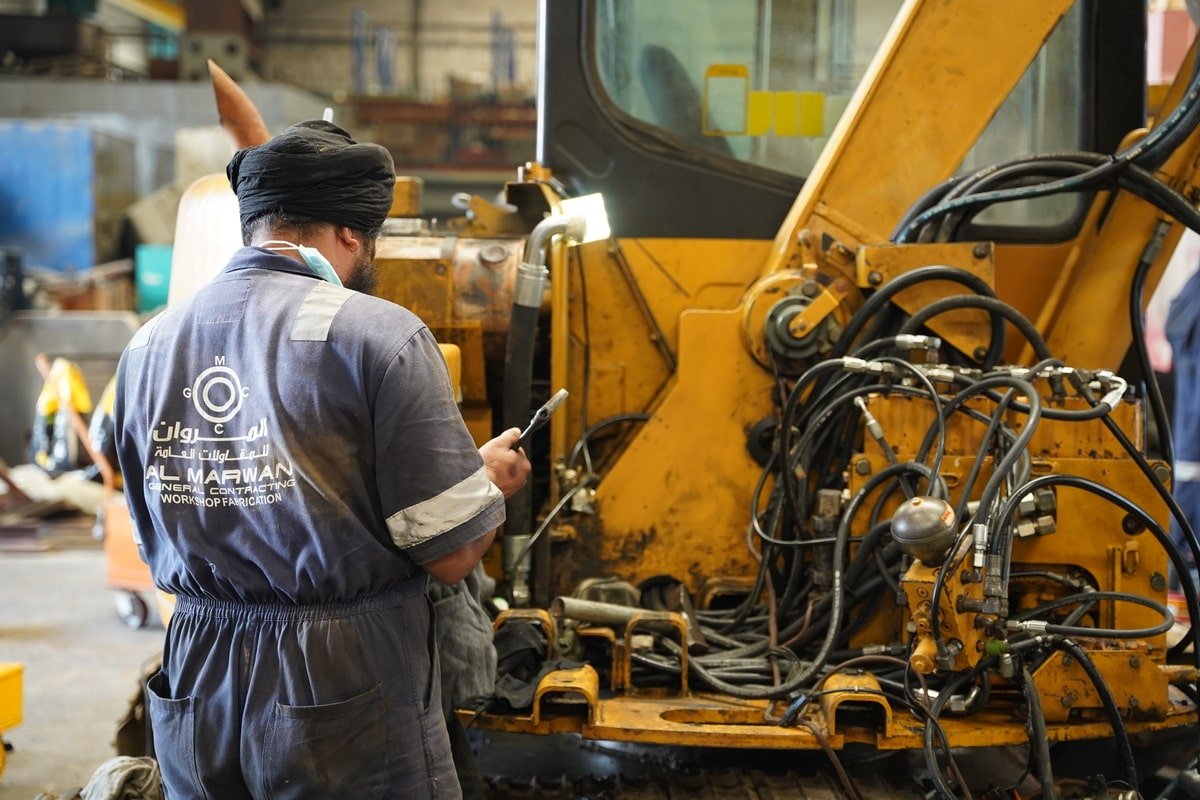
During refurbishment, technicians often uncover hidden structural issues caused by years of wear and tear. Common problems include:
- Cracks in the hitch structure
- Fatigue damage in metal components
- Casting defects
Addressing these issues involves machining, welding, and realignment to restore the machine’s integrity.
Rebuilding and Testing
Once repairs are complete, the machine is reassembled and tested. Engines undergo rigorous testing to ensure they deliver optimal performance, while transmissions are checked for pressure and flow accuracy.
The goal is to return the machine to full operational capacity within tight deadlines, minimizing downtime for industries that rely on continuous productivity.
“Read Also: Semiconductor Manufacturing Process“
Safety in Heavy Machinery Maintenance
Managing High-Risk Environments
Safety is a top priority in all heavy machinery maintenance operations. Workers face numerous hazards, including:
- Heavy lifting and suspended loads
- High-pressure systems
- Confined spaces
- Risk of equipment failure
To mitigate these risks, teams follow strict safety protocols and use specialized equipment such as cranes, forklifts, and hydraulic tools.
The Role of Teamwork
Effective communication is essential when handling complex tasks. Whether guiding a crane operator or coordinating a pressure test, every team member plays a critical role in ensuring safety and success.
Time Pressure and Operational Impact
Tight Deadlines
Maintenance projects often operate under strict timelines. For example:
- Locomotive overhauls may need completion within 10 days
- Hydroelectric repairs can affect power supply if delayed
- Earthmoving equipment must return to service to avoid production losses
Delays can have significant financial and operational consequences, increasing pressure on maintenance teams.
Balancing Speed and Precision
While speed is important, quality cannot be compromised. A poorly executed repair can lead to:
- Equipment failure
- Safety hazards
- Increased downtime
Therefore, teams must balance efficiency with meticulous attention to detail.
“Read Also: Hydroelectric Maintenance and Industrial Repair“
Innovation and Problem-Solving in Maintenance
Adapting to Unexpected Challenges
No maintenance project goes exactly as planned. Technicians must adapt quickly to unforeseen issues, such as:
- Misaligned components
- Stubborn bolts
- Hidden defects
Creative solutions, including unconventional techniques like rolling heavy components on pipes, often come into play.
Continuous Improvement
Each project provides valuable insights that improve future maintenance strategies. Teams refine their methods, adopt new technologies, and enhance efficiency over time.
“Read Also: Engineering“
The Human Factor: Experience and Skill
Behind every successful overhaul is a team of skilled professionals, from experienced engineers to apprentices learning the trade.
Veteran technicians bring decades of knowledge, while younger team members contribute fresh perspectives. This combination ensures the continuous evolution of maintenance practices.
The satisfaction of restoring a machine to full functionality is a powerful motivator, reinforcing the importance of this demanding work.
Heavy Machinery Maintenance and Overhaul: Conclusion
Heavy machinery maintenance is a complex and essential field that keeps the world moving. From locomotive engines to hydroelectric valves and massive earthmoving equipment, every component must function flawlessly to support modern infrastructure.
These operations require precision, teamwork, and resilience in the face of challenges. Despite tight deadlines and high stakes, maintenance teams consistently deliver results, ensuring safety, reliability, and efficiency across industries.
If you found this insight into industrial maintenance valuable, consider sharing it or exploring more topics related to engineering and infrastructure.
Frequently Asked Questions About Heavy Machinery Maintenance
1. What is heavy machinery maintenance?
Heavy machinery maintenance involves inspecting, repairing, and overhauling large industrial equipment to ensure optimal performance and safety.
2. Why is regular maintenance important?
Regular maintenance prevents breakdowns, extends equipment lifespan, and ensures reliable operation in critical industries like transportation and energy.
3. How long does a machinery overhaul take?
The duration varies depending on the equipment. It can range from a few days for engines to several weeks or months for large systems.
4. What are the main risks involved?
Risks include heavy lifting hazards, high-pressure systems, confined spaces, and potential equipment failure.
5. What skills are required for this field?
Technicians need mechanical knowledge, problem-solving skills, attention to detail, and the ability to work as part of a team.