Inside High-Stakes Maintenance: Tanks, Aircraft & Industrial Giants


From battlefield machines to life-saving aircraft and massive industrial systems, maintenance is what keeps critical operations alive. Whether it’s a tank returning from harsh field exercises, a medical aircraft grounded by a bird strike, or a conveyor belt moving millions of tons of coal—every system depends on precision engineering and skilled technicians.
This breakdown takes you inside three intense real-world maintenance operations, showing how teams work under pressure to restore complex machines to full performance.
Maintaining the M1 Abrams: Power Meets Precision
Post-Exercise Servicing
After weeks of intense field exercises in Australia, Abrams tanks return to base requiring thorough inspection and repair. These machines operate in harsh bush environments, where:
- Dirt and debris accelerate wear
- Tracks endure extreme stress
- Critical systems must remain combat-ready
Maintenance is handled by the Royal Australian Electrical and Mechanical Engineers, specialists responsible for keeping military hardware operational.
Track Replacement: A Massive Undertaking
Tank tracks are vital—and vulnerable.
During operations:
- Heat causes metal expansion
- Tracks can loosen or stretch
- Damage may force full replacement
If too many track links are worn, the entire track is replaced. A full set weighs around 2 tons, and installation requires:
- Rebuilding links in sections
- Replacing worn sprockets
- Carefully tensioning the track
Even slight misalignment can cause the track to derail—catastrophic in combat conditions.
Cannon Replacement: Rare and Complex
One of the most demanding tasks is replacing the tank’s 120mm cannon barrel.
Key facts:
- Barrel weight: ~1100 kg
- Replacement is rare (sometimes once in a tank’s life)
- Process takes ~6 hours (if everything goes smoothly)
Steps include:
- Removing sensors and thermal shielding
- Detaching armor plating
- Loosening hidden bolts
- Extracting the barrel using a crane
- Reinstalling and aligning the new barrel
A major challenge is aligning the interrupted thread system, where even slight misalignment prevents removal or installation.
“Read Also: engineering“
Precision Matters
At ranges up to 4 km, accuracy is critical. That’s why:
- Every bolt must be torqued correctly
- Components must align perfectly
- Systems must be tested before deployment
A single mistake could compromise the tank’s effectiveness in the field.
Aircraft Maintenance: Keeping the Royal Flying Doctor Service in the Air
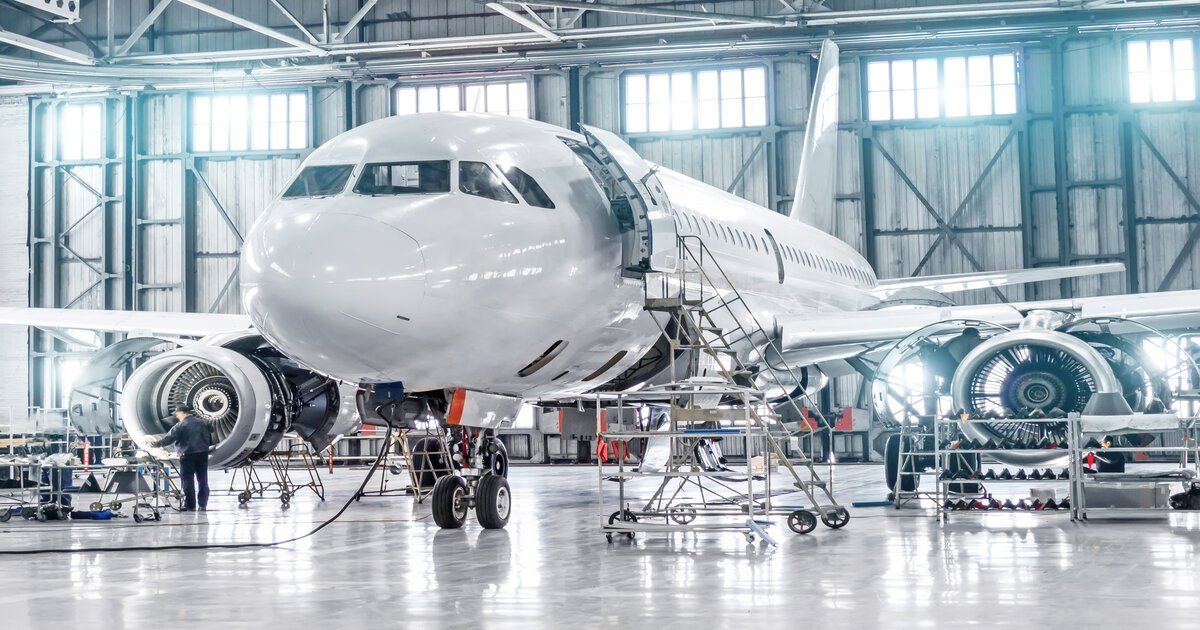
The Role of the Beechcraft King Air B200
This aircraft isn’t just transport—it’s a flying intensive care unit.
- Cruising speed: ~500 km/h
- Range: supports remote medical missions
- Used daily by patients across Australia
Reliability is non-negotiable.
Bird Strike Repair: A Race Against Time
A bat strike damaged the aircraft’s wing, grounding it immediately.
Repair process:
- Inspect internal structural damage
- Replace internal rib components
- Install new outer skin
- Drill, align, and rivet with precision
Even small errors (like over-trimming a panel) can cost thousands.
Engine Control System Replacement
The fuel control unit acts as the engine’s “brain”:
- Regulates fuel flow
- Controls engine power
- Must match both engines precisely
After installation:
- Engineers perform engine runs
- Adjust for synchronization
- Ensure smooth, balanced performance
Landing Gear and Safety Checks
Before returning to service, teams perform:
- Landing gear swing tests
- Hydraulic leak inspections
- Cable and pulley checks
- Cabin pressure testing
Even minor issues—like worn cables—can become major safety risks if ignored.
Conveyor Belt Overhaul: Industrial Scale Precision
Inside One of the World’s Largest Coal Terminals
At the Kooragang Coal Terminal:
- Up to 120 million tons of coal move annually
- Conveyor belts stretch 65 km
- Systems run nearly nonstop
Failure isn’t an option—downtime costs millions.
Replacing a Conveyor Belt
This isn’t a simple swap. The process involves:
- Removing old belt sections
- Aligning new belt ends precisely
- Exposing internal steel cables
- Interlacing cables by hand
- Bonding with rubber and adhesive
- Heat-pressing (vulcanizing) the splice
The Splicing Challenge
Each splice:
- Takes ~16 hours
- Must be aligned within millimeters
- Requires perfect cable distribution
If misaligned:
- The belt drifts off track
- Components wear rapidly
- Entire sections may fail
Heat and Pressure: Final Stage
Using heated platens:
- Temperature is tightly controlled
- Pressure ensures bonding
- Process takes ~3 hours (heat, cook, cool)
Done correctly, a belt can last decades.
Common Themes Across All Systems
Despite the differences, these operations share core principles:
1. Precision is Everything
Whether aligning a cannon, wing panel, or conveyor belt—millimeters matter.
2. Time Pressure is Constant
- Tanks must return to readiness
- Aircraft must fly patients
- Industry must keep moving
Delays have real-world consequences.
3. Teamwork Drives Success
No job is done alone:
- Engineers
- Technicians
- Operators
All coordinate to complete complex tasks safely.
4. Unexpected Problems Are Normal
From stuck bearings to hidden wiring damage, every job includes surprises.
Final Thoughts
From the battlefield to the skies and industrial hubs, maintenance teams operate behind the scenes to keep the world running.
- The M1 Abrams must be combat-ready
- The Beechcraft King Air B200 must safely transport patients
- Conveyor systems must sustain global supply chains
Each system represents millions of dollars, human lives, and critical operations—and all depend on skilled hands, sharp minds, and relentless attention to detail.
FAQ
1. How often are tank barrels replaced?
Rarely—sometimes only once during a tank’s operational life.
2. What causes aircraft grounding after a bird strike?
Structural damage, especially to wings or engines, requires full inspection and repair before flight.
3. Why is conveyor belt alignment so important?
Misalignment can cause belt failure, shutdowns, and massive financial losses.
4. How long does major maintenance take?
- Tank barrel replacement: ~6 hours
- Aircraft repairs: 1–2 days (or more)
- Conveyor belt splice: ~16 hours per joint
5. What’s the biggest challenge in these jobs?
Balancing speed, precision, and safety under pressure.