Australian Military and Engineering Maintenance Operations: Behind the Scenes of Tanks, Tugboats, and Hydropower

Australian military and engineering maintenance operations are a testament to precision, expertise, and teamwork. From the rugged terrains of central Queensland to the bustling shipyards of Brisbane, professionals work tirelessly to keep critical machinery—from M1A1 tanks to tugboats and hydropower pumps—operational under the most challenging conditions.
These operations require not only technical skill but also careful planning, safety awareness, and rapid problem-solving. In this article, we dive deep into these high-stakes environments, revealing the complexity and dedication behind every maintenance mission.
M1A1 Abrams Tanks: Precision Maintenance in the Field
The Australian Army’s M1A1 Abrams main battle tank demonstrates the pinnacle of armored warfare technology. With a 120 mm smoothbore cannon capable of hitting targets over three kilometers away, these 67-ton tanks combine firepower with mobility, reaching speeds of up to 60 km/h. Powered by a downrated helicopter-style jet turbine engine, the tanks require careful handling to prevent damage to their tracks and power systems.
C Squadron Mechanics: The Unsung Heroes
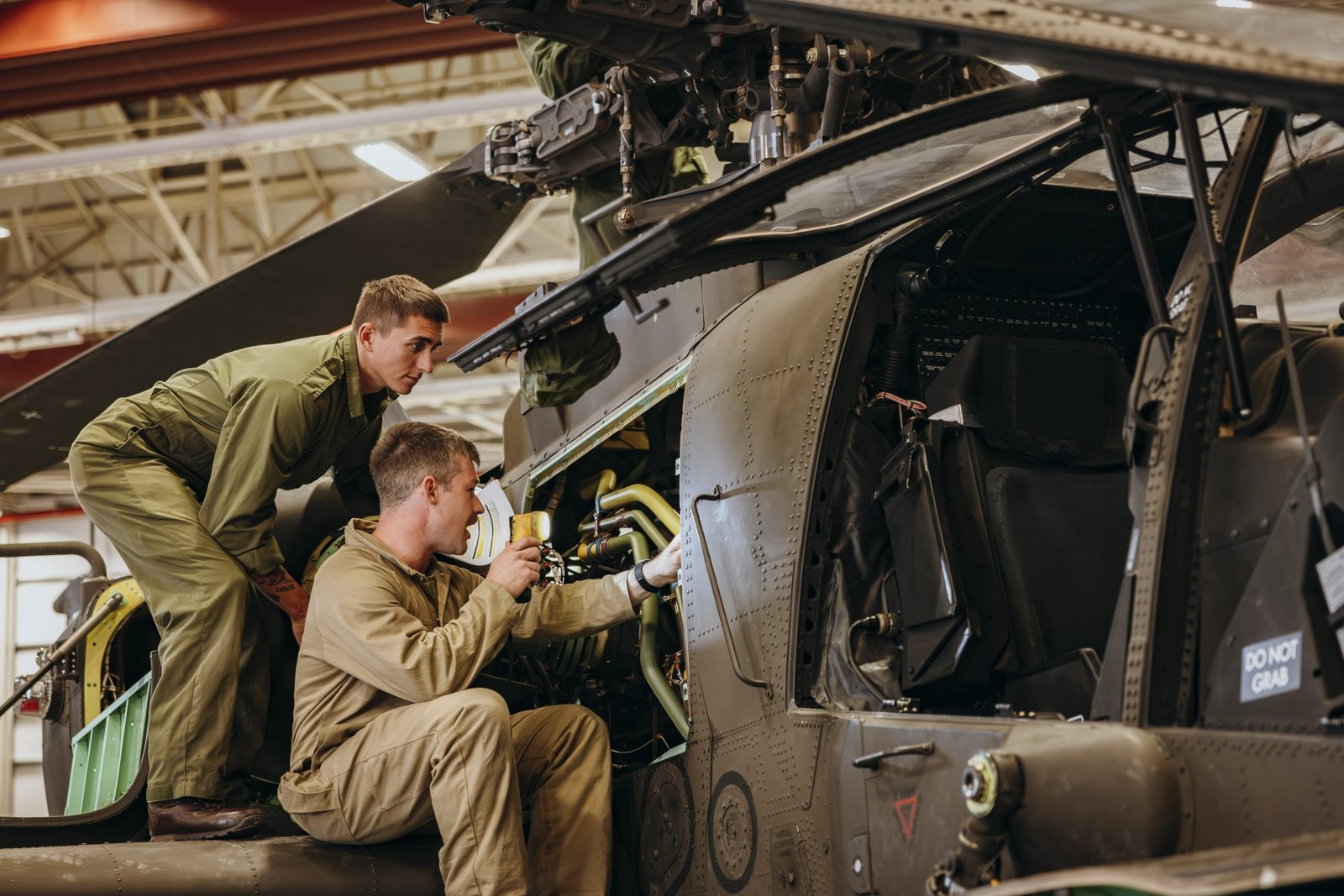
Behind every operational tank is a team of skilled mechanics responsible for maintaining not only the tanks but all supporting equipment—guns, personal weapons, and generators. Warrant Officer Terry Lemon, with 37 years of experience, leads his team through diagnostics, repairs, and power pack removals, ensuring tanks can rejoin exercises without delay.
Removing a tank’s engine is a complex process. Armored steel plating must be carefully lifted, umbilicals disconnected, and a 4-ton power pack maneuvered using a Hercules mobile crane. Mechanics run diagnostic checks outside the tank and reassemble the system, often racing against a tight schedule where delays could jeopardize coordinated maneuvers.
Tugboat Repairs: Keeping Maritime Operations on Track
Tugboats are the workhorses of Australia’s waterways, providing strength over speed. The 225-ton Lauram tugboat, part of Bwan Marine’s fleet, faced a serious issue with excessive vibration due to a malfunctioning propeller.
Diagnostic Challenges
Initial inspections revealed no visible signs of damage. Engineers had to isolate the rudder, remove the steering gear, and extract the propeller for detailed examination. Using a 30-ton puller, heat application, and precise balancing, technicians finally identified the problem: one blade was significantly heavier than the others, causing severe vibrations, high fuel consumption, and engine strain.
Cost and Time Pressure
Every day the tug is out of operation costs thousands of dollars. The combined effort of mechanical skill and precise coordination restored the tugboat in a timely manner, demonstrating the financial and operational stakes involved in maritime maintenance operations.
“Read Also: Inside High-Stakes Maintenance: Tanks, Aircraft & Industrial Giants“
Snowy Hydro Scheme: Engineering Maintenance for Renewable Energy
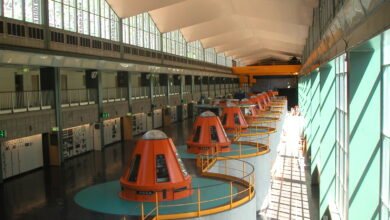
Australia’s Snowy Hydro Scheme, one of the nation’s most ambitious engineering projects, diverts water from the Snowy Mountains to generate renewable electricity while supporting agriculture in New South Wales and Victoria. Central to this system is the Ginderbine pumping station, responsible for delivering water critical to both energy and food production.
Pump Maintenance and Troubleshooting
When a 31.3 MW pump failed, technicians Matt, Justin, and Bob faced a complex operation. The pump had to be isolated from the high-pressure water supply, and a team member entered confined, water-filled spaces to locate the cause of the malfunction. It turned out to be a simple blockage of sticks and debris, a minor issue that could have escalated into a major outage if left unchecked.
Coordination with Operations Center
Technicians maintain constant communication with the Snowy Hydro control center to manage power distribution while repairs are underway. Each maintenance operation is meticulously planned, balancing safety, efficiency, and operational urgency.
“Read Also: engineering“
Power Packs and Diagnostics: Combining Technology with Expertise
Whether in tanks, tugboats, or pumping stations, modern maintenance relies on a combination of hands-on mechanical skill and high-tech diagnostic tools. Power packs from tanks are tested using remote run-up kits, while tugboat propellers undergo precise scanning and balancing to ensure optimal performance.
Foreign object damage (FOD), from leaves in tank engines to barnacle buildup on propellers, can disrupt machinery. Teams employ methodical inspections, lighting, and computerized diagnostics to identify and eliminate issues, often under intense time pressure.
Safety First: Protocols and Risk Management
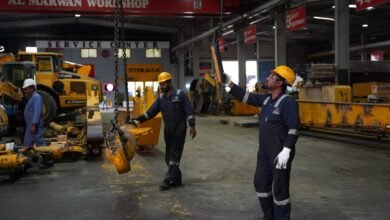
Maintenance operations are high-risk environments. Confined spaces, heavy machinery, and powerful hydraulic systems demand rigorous safety protocols. Teams rely on harnesses, cranes, locking pins, and constant communication to protect both personnel and equipment. One mistake can cause severe injury or millions of dollars in damages, making vigilance and teamwork paramount.
Real-World Impact: Keeping Australia Moving
Australian military and engineering maintenance operations are not just technical exercises—they have a direct impact on national security, energy supply, and economic productivity. Tanks must be ready for defense exercises, tugboats must support maritime commerce, and pumps must keep the Snowy Hydro system flowing. Behind every operational success is a story of skill, dedication, and precision.
Frequently Asked Questions About Australian Military and Engineering Maintenance Operations
Q1: How long does it take to remove and repair a tank engine?
A: Depending on complexity, removing and servicing a tank’s power pack can take 2–5 hours, including diagnostics and safety checks.
Q2: What causes tugboats to vibrate excessively?
A: Common causes include unbalanced propeller blades, foreign object buildup, or mechanical misalignment in the propulsion system.
Q3: How do technicians access pumps in the Snowy Hydro Scheme?
A: They isolate the pump from the high-pressure water supply, enter via secure manholes, and carefully inspect internal components while following strict safety protocols.
Q4: What is foreign object damage (FOD) and how is it handled?
A: FOD refers to debris like leaves, sticks, or barnacles that can damage machinery. Teams perform thorough inspections and cleanings to prevent operational issues.
Q5: Why is rapid maintenance critical in these operations?
A: Delays can disrupt military exercises, cause financial losses in maritime operations, or interrupt electricity and water supply, impacting agriculture and communities.
Australian Military and Engineering Maintenance Operations: Conclusion
Australian military and engineering maintenance operations showcase the intersection of technical expertise, precision, and teamwork. From the desert drills of M1A1 tanks to the high-stakes tugboat repairs in Brisbane and the vital Snowy Hydro pumping stations, every operation ensures that machinery performs safely and efficiently.
These stories reveal the dedication of the engineers, mechanics, and technicians who keep Australia moving, powered, and secure. Their work is a powerful reminder that behind every functioning machine, there is a human team committed to excellence.