How Almond Milk Is Made: The Complete Industrial Production Process

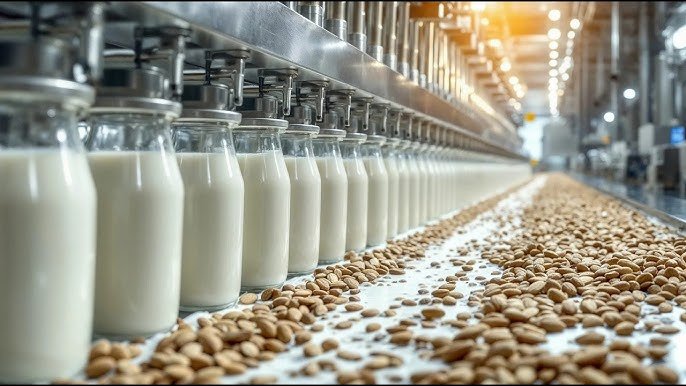
Almond milk has become one of the most popular plant-based beverages in the world. Whether you drink it in coffee, smoothies, cereal, or as a dairy alternative, many people rarely stop to think about how almond milk is made before it reaches store shelves.
Behind every carton of almond milk lies a fascinating journey that starts in almond orchards and ends in modern food processing facilities equipped with advanced machinery. From carefully selecting almonds to soaking, blending, filtering, and pasteurizing the final liquid, each step is essential to producing the smooth and creamy drink loved by millions.
In this detailed guide, we will explore how almond milk is made, uncovering the entire production process used in factories, the challenges manufacturers face, and the growing global demand for plant-based milk alternatives.
The Origins of Almond Milk Production
Before almond milk reaches factory production lines, the process actually begins in agricultural fields where almonds are grown.
Almonds grow on trees that require specific environmental conditions to thrive. The most suitable climate is similar to the Mediterranean environment, characterized by hot, dry summers and mild, wet winters. These conditions allow almond trees to produce high-quality nuts that will later be used in food production.
Because of these ideal conditions, California produces roughly 80% of the world’s almonds. The region has become the global hub for almond farming due to its favorable climate and large-scale agricultural infrastructure. Other countries such as Spain and Australia also grow almonds, although their production volumes are significantly smaller.
Once the almonds are harvested from orchards, they are prepared for shipment to food processing facilities where the almond milk production process officially begins.
Almond Selection and Quality Control
The first major step in understanding how almond milk is made involves selecting high-quality almonds.
At processing plants, almonds are delivered in large batches. However, not every almond meets the strict standards required for food production. To ensure product consistency and safety, manufacturers carefully inspect and sort the almonds before further processing.
High-tech sorting machines equipped with optical sensors analyze each almond individually. These machines detect defects such as discoloration, cracks, or damage. Any unsuitable nuts are automatically removed from the production line.
While much of this process is automated, human workers still play a vital role. They monitor the machinery, oversee quality control, and make adjustments if necessary to ensure everything operates smoothly.
This combination of automation and human oversight guarantees that only the best almonds continue to the next stage of production.
Washing the Almonds
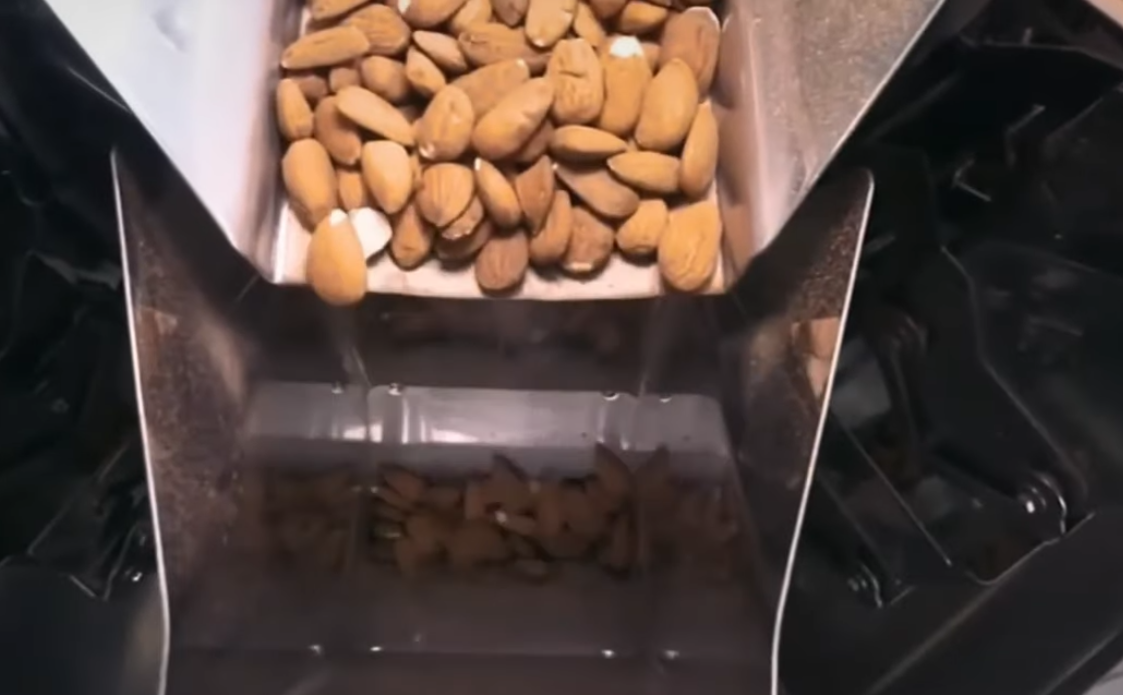
After sorting, the almonds undergo a thorough washing process. Although almonds appear clean after harvesting and sorting, they may still carry small amounts of dust, dirt, or agricultural residues. Washing ensures that these impurities are removed before the almonds are processed further.
Large industrial washing systems spray the almonds with clean water while rotating drums gently agitate them. This helps eliminate any remaining contaminants and prepares the nuts for the next stage.
Maintaining cleanliness at this stage is essential because it directly affects the taste, quality, and safety of the final almond milk product.
Soaking: Preparing Almonds for Processing
One of the most important stages in understanding how almond milk is made is the soaking process.
After washing, the almonds are soaked in water for a period that typically ranges between 12 and 24 hours. This soaking step serves several critical purposes.
First, soaking softens the almonds, making them easier to grind and blend during the next phase. Softened almonds break down more efficiently, which results in a smoother and creamier liquid.
Second, soaking helps break down certain enzymes and starches present in the almonds. This contributes to improving the texture of the final beverage.
The exact soaking time may vary depending on production schedules and the desired consistency of the finished almond milk. Some manufacturers adjust the duration to create different product variations.
Once the soaking period is complete, the softened almonds move to the blending stage.
“Read Also: How Steak Is Made: From Farm to Factory to Your Plate“
Grinding and Blending the Almonds
The transformation from solid almonds into liquid almond milk begins during the blending stage.
Large industrial blenders grind the soaked almonds into a thick paste. These machines operate at extremely high speeds to ensure the almonds are processed thoroughly and consistently.
During blending, water is added to the almond paste. The ratio of almonds to water plays a crucial role in determining the final texture and richness of the beverage.
For example:
- A higher almond-to-water ratio results in thicker, creamier almond milk.
- A lower ratio produces a lighter and thinner drink.
Manufacturers carefully control these proportions to create different varieties of almond milk, such as original, barista-style, or low-calorie options.
By the end of this step, the mixture becomes a smooth almond slurry ready for separation.
Separating Almond Milk from Pulp
Once the almonds have been blended into a paste, the next step in how almond milk is made is separating the liquid from the solid pulp.
This is achieved using industrial filtration systems or hydraulic presses. These machines apply pressure to the almond paste, extracting the liquid portion while leaving behind fibrous solids known as almond pulp.
The extracted liquid is the base almond milk, although it still requires additional processing before it is ready for consumers.
What Happens to the Leftover Almond Pulp?
Instead of being discarded, the leftover almond pulp is often reused in several ways:
- As animal feed
- Processed into almond flour
- Used as an ingredient in other food products
Reusing the pulp helps reduce food waste and improves the sustainability of the production process.
“Read Also: Inside the Factory: How Snickers, Twinkies, and Candy Apples Are Made“
Pasteurization: Ensuring Food Safety
Before almond milk can be safely consumed, it must go through pasteurization.
Pasteurization is a heat treatment process that eliminates harmful bacteria and pathogens that may be present in the liquid. During this step, the almond milk is heated to a precise temperature for a specific period of time.
This process ensures that the beverage is safe for human consumption while also extending its shelf life.
However, pasteurization must be carefully controlled. Excessive heat can negatively affect the flavor, texture, and nutritional quality of the milk. Manufacturers therefore work to find the perfect balance between safety and product quality.
After heating, the almond milk is quickly cooled to prevent overcooking and maintain the desired taste and consistency.
Flavoring and Nutritional Fortification
Once pasteurization is complete, the almond milk moves to the flavoring and fortification stage.
At this point, manufacturers may add ingredients to enhance the taste and nutritional value of the beverage.
Common additions include:
- Sweeteners
- Natural flavors such as vanilla
- Calcium
- Vitamin D
- Vitamin E
Fortification is particularly important because almond milk is often used as a dairy milk alternative. Adding essential nutrients helps ensure the beverage provides nutritional benefits comparable to traditional milk.
These adjustments allow companies to create a wide range of almond milk products tailored to different consumer preferences.
Packaging and Bottling
After the final formulation is complete, the almond milk is ready for packaging.
Modern production facilities use advanced automated systems to fill bottles, cartons, or other containers. These systems ensure precise filling volumes and maintain strict hygiene standards throughout the process.
Many companies are now focusing on sustainable packaging solutions. Recyclable cartons and environmentally friendly materials are increasingly being used to reduce environmental impact.
Ultra-High Temperature Processing
Some manufacturers also use Ultra-High Temperature (UHT) pasteurization.
This method heats the almond milk to a higher temperature for a very short period of time, which allows the product to remain shelf-stable for months without refrigeration.
UHT technology significantly extends shelf life and simplifies transportation and storage.
Distribution to Global Markets
Once packaged, the finished almond milk products are prepared for distribution.
Large distribution networks transport the cartons and bottles to supermarkets, grocery stores, cafes, and restaurants around the world.
Depending on the pasteurization method used, some almond milk products require refrigeration during shipping and storage, while others can remain stable at room temperature until opened.
This global supply chain allows almond milk to reach millions of consumers across different countries.
Challenges in Almond Milk Production
Although the production process may appear efficient, manufacturers face several challenges when producing almond milk.
Variability in Raw Materials
Almonds are natural agricultural products, which means their size, flavor, and texture can vary from batch to batch. These variations can affect the consistency of almond milk production.
Manufacturers must constantly monitor incoming almond supplies to ensure uniform quality.
Supply Chain and Farming Conditions
Growing almonds depends heavily on weather patterns and water availability. Droughts or climate changes can significantly affect almond harvests.
To maintain consistent production, companies must carefully manage their supply chains and secure reliable almond sources.
Sustainability Concerns in Almond Farming
One of the most widely discussed issues surrounding almond milk production is sustainability.
Almond farming requires significant water resources, especially in regions like California where water scarcity has become an increasing concern.
As demand for plant-based beverages grows, the agricultural impact of large-scale almond farming is being closely examined.
Some companies are responding by adopting more sustainable practices, including:
- Using improved irrigation techniques
- Recycling water in processing facilities
- Supporting responsible farming practices
These efforts aim to reduce environmental impact while continuing to meet global demand.
The Economic Impact of the Almond Industry
The almond industry has a significant economic influence, particularly in major producing regions.
In California alone, almond farming supports thousands of jobs across multiple sectors, including:
- Agriculture
- Food processing
- Manufacturing
- Transportation and logistics
The industry contributes billions of dollars annually to the regional economy, making it one of the most important agricultural sectors in the state.
As global demand for plant-based beverages continues to grow, the almond milk industry is expected to create even more economic opportunities worldwide.
The Future of Almond Milk and Plant-Based Beverages
The popularity of plant-based milk alternatives has increased dramatically over the past decade.
Several factors have contributed to this growth, including:
- Rising lactose intolerance rates
- Increased interest in plant-based diets
- Environmental concerns related to animal agriculture
As a result, almond milk has transitioned from a niche health product into a mainstream beverage available in stores worldwide.
Manufacturers are also continuing to innovate, developing improved production methods, better sustainability practices, and new flavor variations.
This ongoing innovation ensures that almond milk will likely remain a major player in the future of plant-based nutrition.
Frequently Asked Questions About How Almond Milk Is Made
1. How is almond milk made in factories?
Almond milk is made by soaking almonds, grinding them with water into a paste, filtering the liquid from the pulp, pasteurizing it, and then adding flavors or nutrients before packaging.
2. Why are almonds soaked before making almond milk?
Soaking softens the almonds, making them easier to blend. It also helps break down certain enzymes and starches, resulting in smoother and creamier almond milk.
3. What happens to the leftover almond pulp?
The leftover pulp is usually reused instead of wasted. It can be processed into almond flour, used in food products, or utilized as animal feed.
4. Is almond milk pasteurized?
Yes. Most almond milk undergoes pasteurization to eliminate harmful bacteria and ensure the product is safe to drink.
5. Why is almond milk fortified with vitamins?
Since almond milk is often used as a dairy alternative, manufacturers add nutrients like calcium and vitamin D to provide similar nutritional benefits.
How Almond Milk Is Made: Conclusion
Understanding how almond milk is made reveals a surprisingly complex process that combines agriculture, food science, and modern manufacturing technology.
From almond orchards and careful nut selection to soaking, blending, filtering, pasteurizing, and packaging, every step plays a crucial role in delivering the smooth beverage consumers enjoy around the world.
Despite challenges related to farming conditions, sustainability, and supply chains, the almond milk industry continues to grow rapidly. Advances in production technology and environmentally conscious practices are helping manufacturers meet rising demand while improving efficiency.
As plant-based diets become increasingly popular, almond milk will likely remain a key dairy alternative for years to come—offering consumers a delicious, versatile, and widely available beverage option.
If you enjoy learning about how everyday foods are made, consider sharing this article or exploring more behind-the-scenes insights into modern food production.