Few foods in the world carry the same reputation and appeal as a perfectly cooked steak. Juicy, tender, and packed with rich flavor, steak has become a global symbol of indulgence and culinary satisfaction. Whether it’s a beautifully marbled ribeye, a buttery filet, or a bold sirloin, each bite represents far more than just a meal.
Understanding how steak is made reveals a fascinating journey that begins on cattle farms and continues through advanced meat processing facilities before finally reaching restaurants, butcher shops, and home kitchens around the world.
Behind every steak lies a story of agriculture, craftsmanship, and technology. Farmers raise cattle with care, processors transform the meat through precise techniques, and skilled butchers ensure each cut meets the highest standards of quality. In this article, we’ll explore the full process of how steak is made, from the farm where cattle are raised to the factory where primal cuts become the steaks we know and love.
The Beginning: Raising Cattle on the Farm
The journey of steak starts long before it reaches a butcher shop or restaurant. It begins on farms and ranches where cattle are raised and cared for until they reach maturity.
Farmers play a crucial role in determining the quality of beef. Factors such as feed, environment, genetics, and animal care all influence the texture, flavor, and marbling of the meat.
Cattle raised for beef production are typically fed a balanced diet designed to promote healthy growth. Proper nutrition contributes to the development of marbling, the small streaks of fat within the muscle that make premium steaks juicy and flavorful.
When cattle reach the appropriate age and weight, they are transported to modern meat processing facilities where the next stage of the steak-making process begins.
Inside the Beef Processing Facility
Modern beef processing plants combine advanced technology with skilled human labor to ensure meat is processed safely, efficiently, and with precision.
These facilities are designed to handle large volumes of meat while maintaining strict standards for hygiene, safety, and quality control.
The process of how steak is made inside the factory can be divided into several stages, beginning with the breakdown of the carcass into large sections known as primal cuts.
The First Stage: Breaking the Carcass into Primal Cuts
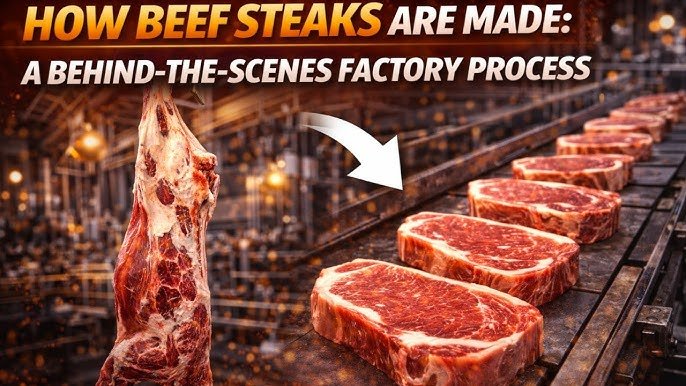
Once the animal is cleaned and inspected, the carcass is split into two halves. Each side is then divided into large sections known as primal cuts.
What Are Primal Cuts?
Primal cuts are the main sections of beef from which all individual steaks and smaller cuts are produced. The major primal cuts include:
- Rib
- Loin
- Chuck
- Round
- Sirloin
- Flank
- Brisket
Each primal cut comes from a different part of the animal’s body, and each has unique characteristics in terms of tenderness, fat content, and flavor.
Precision Cutting with Machinery and Butchers
Breaking the carcass into primal cuts requires a combination of heavy machinery and expert butchers.
Band saws and specialized cutting equipment are used to separate the meat along natural seams in the muscle structure. These tools allow workers to make clean, precise cuts that preserve the quality of the meat.
Skilled butchers oversee the process to ensure each section remains intact and suitable for further processing.
Secondary Processing: Turning Primal Cuts into Steaks
After the carcass has been divided into primal cuts, the meat moves to the secondary processing stage. This is where the cuts we recognize as steaks are created.
During this stage, primal cuts are further divided into individual portions that will eventually appear in grocery stores and restaurants.
For example:
- The rib primal becomes ribeye steaks.
- The short loin produces strip steaks and T-bone steaks.
- The tenderloin yields the famous filet steaks.
- The sirloin section produces sirloin steaks.
Factories use both automated equipment and skilled workers to achieve consistent results.
High-precision slicers cut steaks to specific thicknesses, such as one-inch ribeyes or thick two-inch porterhouse steaks. At the same time, experienced workers trim excess fat and connective tissue to improve tenderness and presentation.
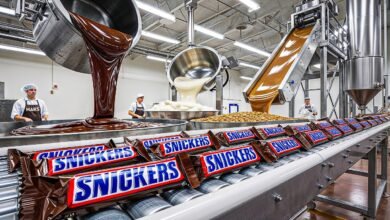
“Read Also: Inside the Factory: How Snickers, Twinkies, and Candy Apples Are Made“
Quality Control in Steak Production
One of the most important aspects of how steak is made is quality control. Before steaks are packaged and shipped, each piece is carefully inspected to ensure it meets industry standards.
What Inspectors Look For
Quality control specialists examine several factors, including:
- Marbling – the distribution of fat within the muscle
- Texture – ensuring the meat is firm and consistent
- Thickness and weight – for standardized portions
- Color – indicating freshness and proper handling
Many modern processing facilities also use advanced technologies such as sensors and cameras to measure the weight, thickness, and size of each steak.
These systems help maintain consistency for both retail markets and restaurant suppliers.
Packaging and Preserving Freshness
Once steaks pass the inspection process, they are prepared for packaging and distribution. Two of the most common packaging methods include:
Vacuum Sealing
Vacuum sealing removes air from the package and tightly seals the meat. This helps preserve freshness and prevents oxidation.
Modified Atmosphere Packaging
Some facilities use modified atmosphere packaging, which replaces the air inside the package with gases that help maintain color and freshness.
Both methods protect the meat during storage and transportation, ensuring that steaks arrive at their destination in optimal condition.
“Read Also: How Bugles Are Made: The Complete Journey from Corn Kernel to Crispy Cone“
Popular Steak Cuts and Their Characteristics
The process of how steak is made produces many different cuts of beef, each with unique flavor and texture.
Ribeye Steak
The ribeye comes from the rib section of the cow. It is famous for its rich marbling and juicy texture.
Because of its fat content, ribeye steaks are incredibly flavorful and remain tender even when cooked at high temperatures.
Filet (Tenderloin) Steak
Filet steaks come from the tenderloin, one of the least-used muscles in the cow. This lack of activity makes the meat extremely tender.
Filet steaks are prized for their buttery texture and delicate flavor.
Sirloin Steak
Sirloin offers a balance between tenderness and bold beef flavor. It is often leaner than ribeye but still delivers a satisfying steak experience.
Flank and Skirt Steaks
These cuts come from the abdominal muscles of the cow. They are known for their strong flavor and are often used in dishes like fajitas.
Rump Steak
Rump steak is leaner than many other cuts and is often chosen by people looking for a healthier option without sacrificing flavor.
Sustainability in Modern Beef Processing
Modern meat processing facilities are increasingly focused on sustainability and reducing waste. During steak production, trimmings and leftover meat are rarely discarded. Instead, they are repurposed for other products such as:
- Ground beef
- Sausages
- Prepared meat products
Additionally, bones and fat are used in rendering processes to create products like tallow and other byproducts.
Advanced waste management systems ensure that nearly every part of the animal is used, reflecting a commitment to efficiency and environmental responsibility.
Global Distribution: From Factory to Market
After packaging, steaks are transported to markets around the world.
Refrigerated transportation systems maintain the correct temperature during shipping to preserve freshness and prevent spoilage.
From processing plants, the meat is delivered to:
- Supermarkets
- Butcher shops
- Restaurants
- Food distributors
This cold-chain logistics network ensures that steaks arrive fresh and ready to cook.
The Final Step: From Butcher to Table
By the time a steak reaches your kitchen or favorite restaurant, it has already traveled a long and complex journey. Chefs and home cooks then bring their own skill and creativity to the final stage—cooking.
Whether grilled, pan-seared, or broiled, the preparation method highlights the natural flavor and texture of the beef.
A perfectly cooked steak represents the combined efforts of farmers, processors, distributors, and chefs.
Frequently Asked Questions About How Steak Is Made
Where does steak come from on a cow?
Steak comes from various parts of the cow, primarily from muscle groups such as the rib, loin, sirloin, flank, and round.
What are primal cuts of beef?
Primal cuts are the large sections of the cow that are first separated during processing. These cuts are later divided into smaller cuts like ribeye, T-bone, and sirloin steaks.
Why is marbling important in steak?
Marbling refers to the fat within the muscle. It enhances flavor, tenderness, and juiciness when the steak is cooked.
How are steaks kept fresh during transportation?
Steaks are typically vacuum sealed or packaged using modified atmosphere packaging and transported in refrigerated trucks to maintain freshness.
What happens to leftover meat during steak production?
Trimmings are usually used to produce ground beef or other meat products, while bones and fat may be processed into byproducts like tallow.
how steak is made: Conclusion
Understanding how steak is made reveals a remarkable process that combines agriculture, advanced technology, and skilled craftsmanship.
From the careful raising of cattle on farms to the precision cutting of primal sections in processing facilities, every stage plays an essential role in delivering the steaks we enjoy.
Ribeye, filet, sirloin, and other popular cuts each have their own unique qualities shaped by the part of the animal they come from and the expertise involved in preparing them.
The next time you enjoy a perfectly cooked steak, take a moment to appreciate the incredible journey it has taken—from farm to factory, from butcher to table. Every bite reflects a tradition of quality, dedication, and the deep connection between people and their food.