Inside the Factory: How Snickers, Twinkies, and Candy Apples Are Made

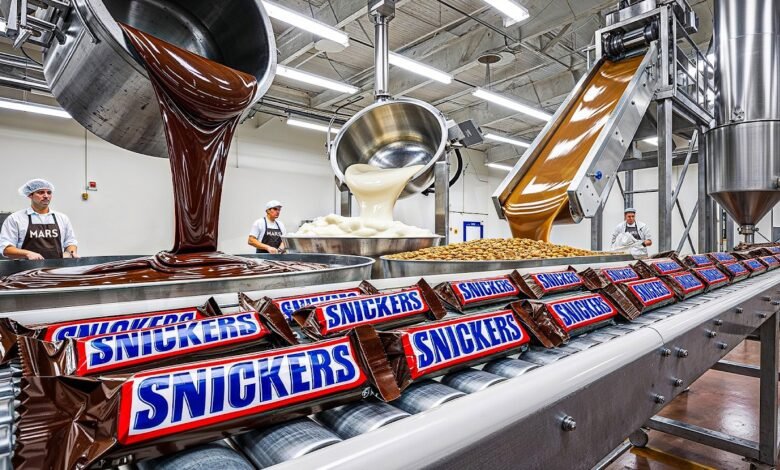
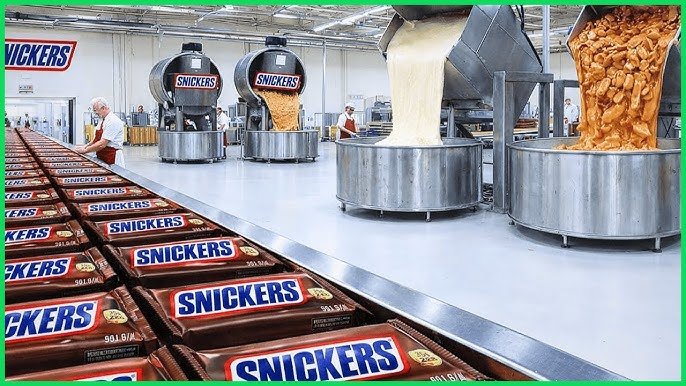
Every single day, more than 100,000 chocolate bars roll off production lines in massive food factories. Just a few meters away, golden sponge cakes are injected with fluffy cream at incredible speed, while shiny red candy coats apples in a glossy shell that looks almost artificial.
Inside these enormous stainless-steel factories, peanuts are roasted, nougat is whipped into shape, and apples are dipped in molten sugar that hardens like glass. But what gives the famous Snickers its signature chewy texture? And how do Twinkies stay fresh for weeks?
Let’s explore the fascinating journey of these iconic treats—from raw ingredients to the final products on store shelves.
The Beginning: Logistics and Raw Ingredients
In large food factories across North America, production begins long before any chocolate is poured or cakes are baked. The process starts with logistics.
Truckloads of raw ingredients arrive at factory receiving docks as early as 4:00 AM. These deliveries are precisely scheduled to keep production lines running 24 hours a day. Each shipment plays a critical role in feeding a global demand for snacks that continues to grow every year.
The scale of production is enormous:
- More than 15 million Snickers bars are produced daily worldwide.
- Nearly 500 million Twinkies are made every year.
- Candy apples generate millions of dollars in seasonal sales, especially during Halloween and state fairs.
The History Behind These Iconic Treats
The Story of Snickers
The famous chocolate bar Snickers was first introduced in 1930 by the Mars, Inc. company. The candy bar was named after the Mars family’s favorite horse.
In its early days, the production process was entirely manual. Workers would:
- Pour nougat by hand
- Add layers of caramel
- Sprinkle roasted peanuts
- Dip each bar in chocolate manually
Today, modern machinery can produce over 200 bars per minute, ensuring consistent quality and texture.
“Read Also: How Bugles Are Made: The Complete Journey from Corn Kernel to Crispy Cone“
The Evolution of Twinkies
The beloved snack cake Twinkies was also created in 1930 by Hostess Brands during the Great Depression.
Originally, Twinkies were filled with banana cream. However, during World War II, banana supplies were limited, so the company replaced it with the vanilla cream filling we know today.
Modern factories can produce more than 1,000 Twinkies per minute, thanks to advanced automated filling machines.
“Read Also: How Hostess Donettes Are Made: Inside America’s Favorite Mini Donuts“
The Sweet History of Candy Apples
Candy apples date back to the early 1900s in Newark. A candy maker experimenting with red cinnamon candy accidentally dipped an apple into molten sugar and displayed it in his shop window. The eye-catching treat quickly became popular.
Today, candy apples remain a seasonal favorite, particularly during autumn festivals and fairs.
Key Ingredients Used in Production
Each product starts with carefully sourced ingredients.
Snickers Ingredients
The production of Snickers requires several key components:
- Peanuts (often sourced from Georgia and Alabama)
- Cocoa beans from Ghana and Côte d’Ivoire
- Sugar and milk
- Corn syrup
- Caramel ingredients
Peanuts are inspected, cleaned, and roasted to enhance flavor before being added to the candy bar.
Twinkies Ingredients
The sponge cakes begin with:
- Wheat flour
- Sugar
- Corn syrup
- Hydrogenated oils
- Eggs
In large Hostess facilities, a single shift can process over 200,000 eggs to maintain the signature soft texture.
“Read Also: How the Big Mac Is Made: Inside the Industrial System Behind a Fast Food Icon“
Candy Apple Ingredients
Candy apples start with fresh fruit, most commonly the Granny Smith apple, chosen for its tart flavor and firm texture. Apples are washed thoroughly to remove natural wax before coating.
The Production Process
How Snickers Bars Are Made
The first step is creating the nougat base.
- Sugar and corn syrup are heated to around 240°F (115°C).
- Egg whites are added and whipped to create a light texture.
- Ground peanuts are mixed into the fluffy nougat.
The nougat is then spread into long sheets. Caramel is poured on top, followed by roasted peanuts.
The slab is cooled and cut into bar shapes before passing through an enrobing machine, which coats each bar in melted chocolate.
How Twinkies Are Produced
The Twinkies production line resembles a carefully engineered assembly system.
- Batter is poured into molds shaped like small cylinders.
- The molds travel through a tunnel oven at about 350°F (177°C).
- After baking, the cakes cool before being injected with cream filling.
Special machines with three injection needles insert the cream into each cake in seconds.
How Candy Apples Are Made
Candy apples require precise timing and temperature control.
- Sugar syrup is heated between 200°F and 250°F.
- Apples are skewered and dipped into the molten candy mixture.
- Each apple is rotated to ensure even coating.
While still warm, they may be rolled in toppings such as:
- Crushed peanuts
- Sprinkles
- Coconut flakes
Shelf Life and Preservation
Each product has a different shelf life depending on its ingredients.
- Snickers bars can last over a year due to stabilizers and emulsifiers.
- Twinkies typically stay fresh for about 45 days thanks to preservatives and sealed packaging.
- Candy apples last less than a week, though refrigeration can extend their life slightly.
The Technology Behind the Production Lines
Modern factories rely on advanced machinery such as:
- Horizontal mixers for nougat and caramel
- Rotary ovens for baking sponge cakes
- Automated injection systems
- Stainless steel kettles for candy coatings
Despite automation, human workers still monitor:
- Temperature levels
- Machine alignment
- Product quality
The Global Economic Impact
The global chocolate bar market exceeds $100 billion annually, with Snickers being one of the top-selling chocolate bars in more than 50 countries.
Meanwhile:
- Twinkies remains a symbol of American snack culture.
- Candy apples continue to thrive in seasonal markets and festivals.
Together, these products support industries ranging from agriculture to transportation and packaging.
The Future of Sweet Treat Manufacturing
Food science continues to evolve. Companies are experimenting with:
- Vegan versions of snack cakes
- Reduced-sugar candy coatings
- Peanut-free chocolate bars
These innovations aim to meet changing consumer preferences while maintaining the classic taste people love.
How Snickers, Twinkies, and Candy Apples Are Made: Conclusion
Behind every chocolate bar, sponge cake, or candy apple lies a remarkable story of science, engineering, and large-scale production.
From roasted peanuts and whipped nougat to perfectly injected cream and glossy sugar shells, the journey from raw ingredients to finished product involves precision, technology, and decades of innovation.
The next time you unwrap a chocolate bar, bite into a Twinkie, or enjoy a candy apple, remember—each treat is the result of an incredible industrial process happening far behind factory doors.