How Flour Is Made: The Complete Journey from Wheat Fields to Flour Factories

Flour may seem like a simple white powder, but it plays a powerful role in kitchens all around the world. It is the foundation of bread, the base of cakes, and the key ingredient in pasta and countless baked goods. Despite its everyday presence, many people rarely stop to think about how flour is made before it reaches the bags sitting on supermarket shelves.
The journey from wheat fields to flour factories is far more complex than it appears. It involves massive agricultural operations, advanced machinery, strict quality control, and precise industrial processes. Every stage—from planting wheat seeds to grinding grains into fine powder—is designed to ensure efficiency, consistency, and high-quality flour production.
In this in-depth guide, we will explore how flour is made, tracing the complete process from farming and harvesting wheat to milling, packaging, and global distribution.
The Global Importance of Wheat in Flour Production
Understanding how flour is made begins with wheat, one of the most widely cultivated crops on Earth. Wheat has been a staple food for thousands of years and remains one of the most important agricultural products worldwide.
In 2023, global wheat production exceeded 783 million metric tons, highlighting the enormous scale of wheat farming. Several countries dominate wheat production, including:
- China
- India
- Russia
- The United States
Together, these nations produce nearly half of the world’s wheat supply. The United States alone produces more than 48 million tons of wheat each year, much of which is eventually processed into flour.
This massive agricultural output is essential because wheat flour is a fundamental ingredient in many diets around the world.
Wheat Farming: The First Step in How Flour Is Made
Before wheat becomes flour, it begins its life in vast agricultural fields.
Wheat farming is a carefully managed process that combines traditional agricultural knowledge with modern technology. Farmers select from dozens of wheat varieties depending on how the grain will eventually be used.
Types of Wheat Used for Flour
Different types of wheat produce different kinds of flour. Some of the most common varieties include:
- Hard wheat: High in protein, ideal for bread and pasta
- Durum wheat: Used to produce semolina flour for pasta
- Soft wheat: Lower protein levels, perfect for cakes and biscuits
Selecting the right wheat variety ensures the flour will perform well in specific recipes.
Precision Planting Technology
Modern wheat farming relies heavily on advanced machinery. Precision seeders equipped with GPS technology help farmers plant seeds at consistent spacing and depth.
This technology improves crop yields by ensuring each plant has the proper space and resources to grow.
Ideal Growing Conditions for Wheat
Wheat thrives in specific environmental conditions. Successful wheat farming typically requires:
- Cool winters
- Warm summers
- Moderate rainfall
However, weather patterns can be unpredictable. To protect crops, farmers often rely on pesticides and fungicides to prevent pests and diseases from damaging the plants.
In regions where rainfall is limited, advanced irrigation systems supply water to the crops. These systems ensure that wheat plants receive the moisture they need for healthy growth.
After several months of growth, the wheat fields transform into golden landscapes filled with mature grain ready for harvest.
“Read Also: How Almond Milk Is Made: The Complete Industrial Production Process“
Harvesting Wheat: Modern Agricultural Engineering
When wheat reaches full maturity—usually in late summer or early autumn—it is time to harvest.
The machine responsible for harvesting wheat is called a combine harvester, one of the most impressive agricultural machines ever developed.
How Combine Harvesters Work
Combine harvesters perform three essential tasks in a single pass through the field:
- Reaping – Cutting the wheat plants
- Threshing – Separating the grain from the stalks
- Winnowing – Removing lightweight chaff from the grain
This efficient process allows farmers to harvest enormous fields quickly while minimizing grain loss.
Once harvested, the wheat grains are collected and loaded into trucks for transportation.
Wheat Storage in Industrial Silos
After harvesting, wheat cannot immediately be processed into flour. Instead, it is transported to large storage facilities known as grain silos.
Proper storage conditions are critical to maintaining wheat quality.
Controlled Storage Conditions
Inside modern silos, temperature and humidity are carefully regulated. The ideal storage environment usually includes:
- Temperature between 10 and 15°C
- Humidity below 65%
These conditions prevent mold growth and protect the grain from spoilage. Pests are also a concern during storage. Regular fumigation ensures insects and other pests do not damage the stored wheat.
When stored properly, wheat can remain in excellent condition for several months before being transported to flour mills.
“Read Also: How Steak Is Made: From Farm to Factory to Your Plate“
Transporting Wheat to Flour Mills
Once the wheat is ready for processing, it is transported to large-scale flour mills. These industrial facilities are designed to convert raw grain into fine flour using a series of highly controlled steps.
The transformation from wheat kernels to flour powder involves cleaning, conditioning, grinding, and separation. Each stage plays a vital role in determining the quality of the final product.
Cleaning the Wheat Before Milling
The first step inside a flour mill is cleaning the wheat. Although the grain may appear clean after harvesting, it often contains small contaminants such as:
- Dust
- Stones
- Plant debris
- Metal particles
To remove these impurities, wheat passes through several specialized machines.
Cleaning Equipment Used in Flour Mills
Cleaning systems typically include:
- Sieves that filter out larger debris
- Magnets that remove metal particles
- Air currents that blow away lighter materials
This cleaning process ensures that only pure wheat grains move forward to the next stage of production.
Even tiny contaminants can affect flour quality, so thorough cleaning is essential.
Conditioning the Wheat
After cleaning, the wheat undergoes a process called conditioning. Conditioning involves adding a carefully measured amount of water to the wheat grains and allowing them to rest for a period that can last up to 24 hours.
Why Conditioning Is Important
This step changes the physical structure of the wheat kernel:
- The bran (outer layer) becomes tougher
- The endosperm (inner part) becomes softer
This difference in texture makes it easier to separate the grain components during the milling process.
Proper conditioning improves the efficiency of milling and helps produce higher-quality flour.
Roller Mills: The Heart of Flour Production
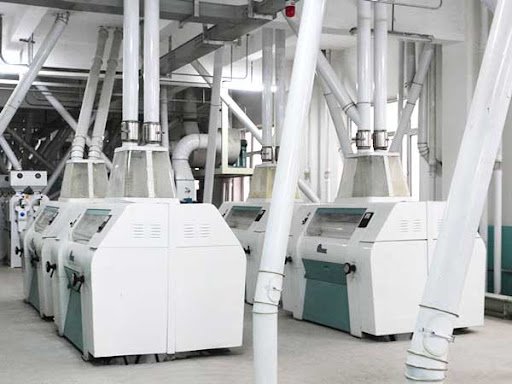
The most critical stage in understanding how flour is made occurs in the roller mills. Roller mills are powerful machines that grind wheat into increasingly fine particles.
How Roller Mills Work
Roller mills consist of pairs of heavy steel rollers that rotate at different speeds. As wheat passes between the rollers, the grain is crushed and separated into its components.
The milling process occurs in several stages:
- Breaking the grain open
- Separating the bran and germ
- Grinding the endosperm into fine flour
Each stage produces finer particles until the desired flour texture is achieved.
Modern roller mills are incredibly efficient. A single industrial flour mill can process up to 150 tons of wheat per day.
Different Types of Flour Produced
Not all flour is the same. Different wheat varieties and milling techniques create a wide range of flour types used in various foods.
All-Purpose Flour
All-purpose flour is made by blending hard and soft wheat. It is versatile and commonly used in home baking.
Bread Flour
Bread flour contains higher protein levels and is produced primarily from hard wheat varieties. The extra protein helps create strong gluten structures in bread dough.
Cake Flour
Cake flour is made from soft wheat and has a very fine texture. Its low protein content produces soft, tender cakes.
Whole Wheat Flour
Whole wheat flour contains all parts of the wheat kernel:
- Bran
- Germ
- Endosperm
Because it includes the entire grain, whole wheat flour is often considered more nutritious.
Specialized Flour Products
Flour mills also produce specialized types of flour for specific culinary uses. Some examples include:
- Semolina – Used in pasta production
- Self-raising flour – Contains added leavening agents for baking
- High-gluten flour – Ideal for artisan breads and pizza dough
Each flour type undergoes careful testing to ensure it meets strict standards for moisture, protein content, and consistency.
Packaging Flour for Distribution
Once the flour has been produced and tested, it moves to the packaging stage. Automated packaging machines fill flour into bags of various sizes, including:
- 1 kg bags for household consumers
- 10–25 kg sacks for bakeries and commercial kitchens
Large flour factories can package thousands of bags per hour, making it possible to supply supermarkets and food manufacturers worldwide.
After packaging, the flour is transported through global distribution networks to reach retailers, bakeries, and restaurants.
Major Companies in the Global Flour Industry
Several large corporations dominate flour production and supply flour to major food retailers.
Some of the biggest flour producers include:
- General Mills
- Ardent Mills
- Cargill
These companies operate massive milling facilities and supply flour to large supermarket chains and food manufacturers around the world.
Their operations ensure a consistent supply of flour for both household and industrial food production.
The Economic Value of Wheat and Flour
Wheat is not only a staple food but also a valuable commodity in global markets. The price of wheat typically ranges between $200 and $250 per ton, depending on supply, demand, and crop quality.
For millions of farmers around the world, wheat farming provides a vital source of income. Achieving high yields and producing premium-quality grain can significantly impact their livelihoods.
The entire flour production chain—from farming to milling and distribution—supports millions of jobs globally.
Frequently Asked Questions About How Flour Is Made
1. How is flour made from wheat?
Flour is made by cleaning wheat grains, conditioning them with water, grinding them in roller mills, and separating the endosperm into fine powder.
2. What part of the wheat becomes flour?
The endosperm, the inner part of the wheat kernel, is ground into flour. The bran and germ are usually separated unless producing whole wheat flour.
3. Why is wheat conditioned before milling?
Conditioning adds moisture to the grain, making the bran tougher and the endosperm softer. This helps separate the components more efficiently during grinding.
4. How much wheat can a flour mill process?
Modern industrial flour mills can process up to 150 tons of wheat per day, producing large quantities of flour for global distribution.
5. What are the main types of flour?
Common flour types include all-purpose flour, bread flour, cake flour, whole wheat flour, semolina, and self-raising flour.
how flour is made: Conclusion
Understanding how flour is made reveals an impressive journey that begins in vast wheat fields and ends in the kitchens of millions of households around the world.
From precision farming and advanced harvesting machines to sophisticated roller mills and automated packaging systems, every step of the flour production process reflects remarkable human innovation.
Although flour may appear simple, its production requires enormous effort, advanced technology, and careful quality control. Without it, many of the world’s favorite foods—bread, pasta, cakes, and pastries—would not exist.
The next time you enjoy a slice of bread or a bowl of pasta, remember the incredible journey that wheat grains traveled to become the fine flour that made it possible.