How Bugles Are Made: The Complete Journey from Corn Kernel to Crispy Cone

Every year, millions of snack lovers reach for a bag of crispy, golden cones without ever wondering how Bugles are made. Behind that iconic crunch lies a fascinating industrial process that transforms simple corn into one of the most recognizable snacks in the world.
Inside vast, high-capacity factories, raw corn is milled into fine flour, blended with carefully measured ingredients, and pushed through powerful machines that twist and shape it into the unmistakable hollow cone.
But how does a humble grain of maize become a perfectly formed, crispy horn you can slip onto your fingertips? The answer lies in a seamless chain of precision engineering, agricultural expertise, and decades of manufacturing innovation.
In this in-depth guide, we’ll uncover exactly how Bugles are made, step by step—from American cornfields to supermarket shelves around the globe.
The Agricultural Foundation: Where the Journey Begins
Before diving into the machinery and technology, it’s essential to understand that the story of how Bugles are made begins long before production starts inside a factory.
Corn: The Essential Raw Ingredient
The primary ingredient in Bugles is maize (corn), a crop that has been a staple food source for centuries. The corn used for manufacturing is carefully sourced from some of the most productive agricultural regions in the United States, including:
- Iowa
- Illinois
- Nebraska
These states form part of the famous Corn Belt, an expansive region known for producing billions of bushels of corn each year. For large-scale snack manufacturers, truckloads of dried corn kernels arrive daily—often secured through contracts months in advance to stabilize pricing and guarantee consistent quality.
Quality Control at the Source
Before corn ever enters the production line, it undergoes grading and testing at regional grain elevators. There, specialists evaluate:
- Moisture levels
- Kernel integrity
- Signs of mold or insect damage
- Presence of foreign materials
Moisture content is particularly critical. If the corn is too dry, the final product may become brittle. If too moist, the dough may not form correctly during extrusion.
Once approved, the grain is transported via freight trucks or rail systems to processing plants, where it is stored in towering silos capable of holding hundreds of tons. This stockpiling ensures uninterrupted production, as modern factories process tens of thousands of kilograms of corn flour daily.
“Read Also: How Hostess Donettes Are Made: Inside America’s Favorite Mini Donuts“
Milling: Turning Kernels into Cornmeal
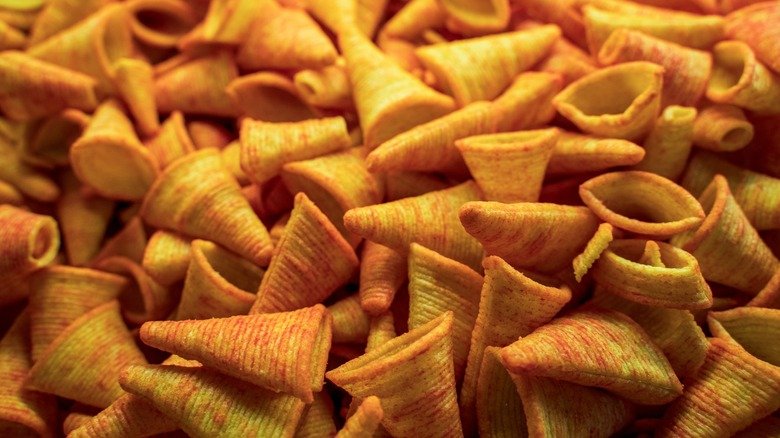
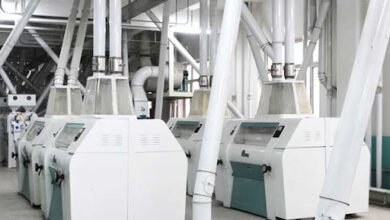
The next crucial stage in how Bugles are made is milling. High-capacity roller mills crush and shear corn kernels between heavy steel cylinders. This process reduces the kernels into fine, uniform cornmeal. The consistency of the grind directly impacts the texture of the finished snack.
The Science Behind Precision Milling
Milling is both a science and an art. Operators must balance:
- Roller pressure
- Grinding speed
- Heat control
Overheating the grain can damage its natural flavor. After grinding, the cornmeal is sifted to remove oversized particles, ensuring a smooth and uniform base for dough formation.
Economic Factors at Play
Corn prices fluctuate on global commodity markets due to:
- Weather conditions
- Fuel costs
- Export demand
A drought in a major producing country can raise prices dramatically, affecting manufacturers worldwide. As a result, sourcing and purchasing decisions play a major role in production economics.
“Read Also: How the Big Mac Is Made: Inside the Industrial System Behind a Fast Food Icon“
Mixing and Hydration: Forming the Perfect Dough
Once milled, the cornmeal moves into massive automated blending tanks. Here begins one of the most technically sensitive steps in how Bugles are made.
Automated Blending Systems
In these tanks, cornmeal is combined with:
- Water
- Salt
- Carefully measured early-stage seasonings
Although the main flavor coatings are added later, even this initial mixture influences the final taste.
Computer-controlled systems weigh each ingredient to fractions of a gram. Large paddles churn the mixture until it forms a thick dough.
The Hydration Challenge
Achieving perfect hydration is critical:
- Too much water → the dough collapses during shaping
- Too little water → the snack won’t puff properly in the fryer
This balance determines whether the final product will have its signature light, crispy texture.
Extrusion: Creating the Iconic Hollow Cone
If there’s one stage that truly defines how Bugles are made, it’s extrusion.
High-Pressure Engineering
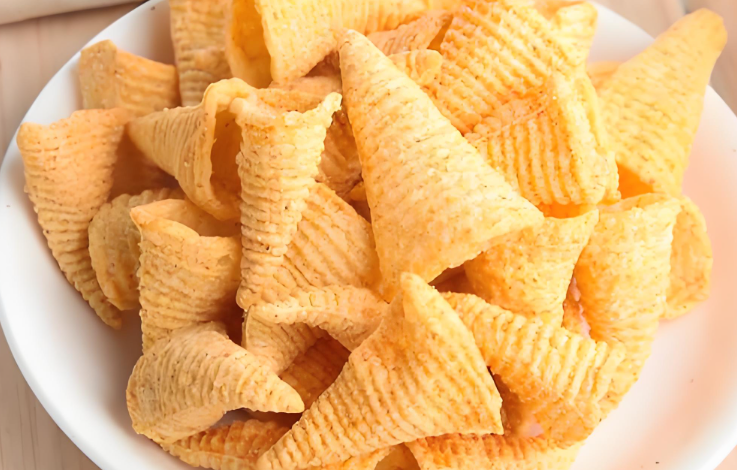
The dough is transferred into powerful extrusion machines. These systems apply heat and pressure, forcing the mixture through a custom-designed die. This die is engineered to produce the snack’s distinctive conical shape.
As the hot dough exits the die, it expands instantly, forming a hollow center. This rapid expansion is what allows the snack to puff and develop its airy structure.
In high-capacity facilities, multiple extruders operate simultaneously, each capable of producing hundreds of cones per minute.
Automation and Quality Control
Modern production lines rely heavily on automation. High-speed cameras and vision inspection systems monitor each piece as it emerges. Any misshapen or defective cones are automatically removed and recycled into the dough mixture, minimizing waste.
Despite automation, human operators remain essential for:
- Monitoring ingredient quality
- Adjusting machine settings
- Ensuring product consistency
Frying: Achieving the Golden Crunch
After extrusion, the raw shapes move directly into large industrial fryers filled with high-quality vegetable oil.
Temperature Precision
Oil temperature must be precisely controlled:
- Too hot → cones burn
- Too cool → cones become greasy
Uniform thickness—achieved during earlier stages—ensures even cooking and prevents excessive oil absorption.
Industrial fryers are equipped with advanced filtration systems that:
- Keep oil clean
- Extend oil lifespan
- Maintain consistent flavor
Although frying occurs after shaping, its success depends heavily on the earlier mixing and extrusion processes.
“Read Also: How M&M’s Are Made: Inside the World of the Most Famous Chocolate Candy“
Production Scale and Global Distribution
One major facility can produce several hundred thousand kilograms of finished cones each month. Millions of individual pieces are manufactured weekly.
Export demand continues to grow, particularly in:
- Japan
- South Korea
European markets also import significant volumes, reflecting the snack’s international appeal.
Adaptability in Flavor and Packaging
The versatility of the base cone shape allows manufacturers to:
- Add various seasoning blends
- Offer plain versions
- Package for different regional markets
This adaptability begins with standardized base production, enabling endless flavor innovation later in the process.
Supply Chain and Logistics
Understanding how Bugles are made also requires examining supply chain management.
Just-in-Time vs. Bulk Storage
Factories often use:
- Bulk storage for cornmeal
- Just-in-time delivery for perishable flavor blends
This hybrid system protects against supply disruptions while preserving ingredient freshness.
Transportation logistics are crucial. Raw materials often travel hundreds of miles. Any delay can disrupt production schedules and affect output targets.
Historical Evolution of Production
The modern method of how Bugles are made is vastly different from early production techniques.
Early Manufacturing Methods
When the snack first appeared in the mid-20th century:
- Mixing was done in smaller batches
- Dough shaping was often manual
- Production was labor-intensive and slow
A single batch might take an entire day to prepare.
The Automation Revolution
During the 1970s and 1980s, rising popularity in North America drove heavy investment in automated extrusion and frying systems. Today, high-speed production lines can transform raw kernels into ready-to-fry shapes within hours.
Automation has reduced labor costs while improving consistency and scalability.
Challenges in Large-Scale Snack Manufacturing
Even with advanced technology, producing millions of units weekly presents challenges.
Quality Variability
Differences between harvests can affect:
- Starch content
- Texture
- Final crispness
Manufacturers must continuously adjust milling and hydration parameters.
Energy Consumption
Grinding, mixing, and extrusion machines operate around the clock, consuming significant electricity and heat.
Sustainability Efforts
Increasingly, plants are investing in:
- Renewable energy sources
- Water recycling systems
- Alternative frying oils
- Biodegradable packaging
These measures reduce environmental impact while meeting consumer expectations.
Cultural Impact and Consumer Appeal
In the United States, the snack remains a nostalgic favorite, often associated with childhood memories and parties.
Internationally, it may be marketed as:
- A novelty snack
- A premium imported product
Its hollow shape even allows creative uses—such as serving as mini vessels for dips.
The cultural reach of this snack demonstrates how engineering, agriculture, and marketing converge to create lasting consumer appeal.
Frequently Asked Questions About How Bugles Are Made
1. What is the main ingredient in Bugles?
The primary ingredient is corn (maize), selected for its specific starch content to ensure a light and crispy texture.
2. How do Bugles get their hollow shape?
The hollow cone forms during extrusion. High pressure and heat force dough through a custom die, and rapid expansion creates the center cavity.
3. Are Bugles fried or baked?
They are fried in industrial fryers using carefully controlled vegetable oil temperatures to achieve their signature crunch.
4. How many Bugles can a factory produce?
A large facility can manufacture several hundred thousand kilograms per month, translating to millions of individual cones weekly.
5. Why is moisture control important?
Proper moisture levels ensure the dough puffs correctly during frying and maintains structural integrity without becoming brittle or greasy.
Conclusion: The Engineering Behind Every Crunch
Understanding how Bugles are made reveals a remarkable journey from American cornfields to global snack aisles. What begins as carefully sourced maize from states like Iowa and Nebraska evolves through precision milling, scientifically controlled hydration, high-pressure extrusion, and expertly managed frying.
Every stage—sourcing, milling, mixing, shaping, and frying—forms an unbroken chain of efficiency and craftsmanship. The result is a perfectly formed, golden cone with the light, crispy texture consumers love.
The next time you reach into a bag, you’ll know that behind that satisfying crunch lies decades of innovation, agricultural abundance, and engineering mastery.
If you enjoyed this deep dive into how Bugles are made, share this article and let us know: what food production process would you like to explore next?