How Hostess Donettes Are Made: Inside America’s Favorite Mini Donuts

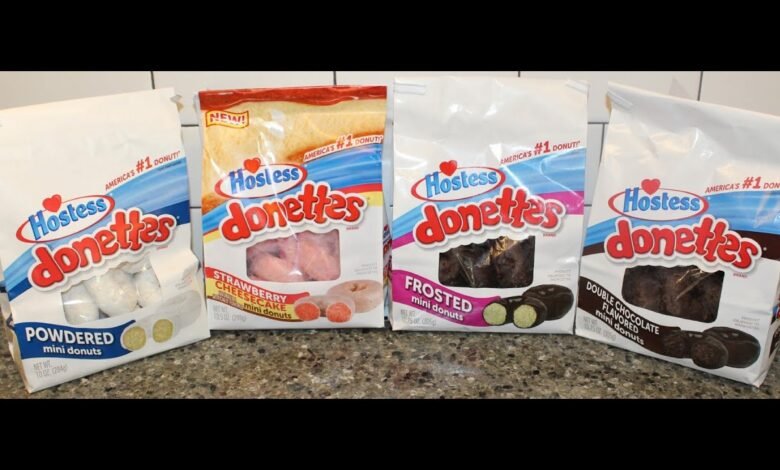
Tiny, sweet, and unmistakably indulgent, Hostess Donettes have earned their place as one of America’s most beloved breakfast treats. Every year, hundreds of millions of these powdered, glazed, and chocolate-frosted mini donuts roll off factory lines, ready to be enjoyed with morning coffee, tucked into school lunch boxes, or grabbed as a late-night snack.
But how Hostess Donettes are made is far more fascinating than their small size suggests. Behind every perfectly round ring lies a carefully engineered process powered by high-speed machinery, strict quality control, and decades of industrial baking expertise. From wheat fields in the Midwest to automated frying lines operating 24/7, the journey of these bite-sized donuts is a remarkable blend of tradition and technology.
In this comprehensive guide, we’ll uncover the full story of how Hostess Donettes are made—from their historical roots to large-scale production, coating, packaging, and nationwide distribution.
The Origins of Hostess Donettes
The history of Donettes is closely connected to the evolution of Hostess Brands, one of the most recognizable names in packaged baked goods.
Founded in the early 20th century, Hostess gained national fame after introducing the iconic Twinkie in 1930. However, Donettes entered the lineup decades later, during a period when American lifestyles were rapidly changing.
The Rise of Snack-Sized Convenience
During the 1970s and 1980s, consumers increasingly sought convenient, ready-to-eat snacks. Families were busier, lunchbox culture was expanding, and vending machines and convenience stores were becoming common across the United States.
Hostess responded with Donettes—a pre-packaged, portable version of the classic donut that required no bakery visit. The name cleverly combines “donut” with a diminutive suffix, emphasizing smallness and charm.
By the early 2000s, Donettes were widely available in multiple varieties:
- Powdered sugar
- Classic glazed
- Chocolate frosted
They quickly became more than just a snack—they became a symbol of everyday indulgence.
Sourcing the Raw Ingredients
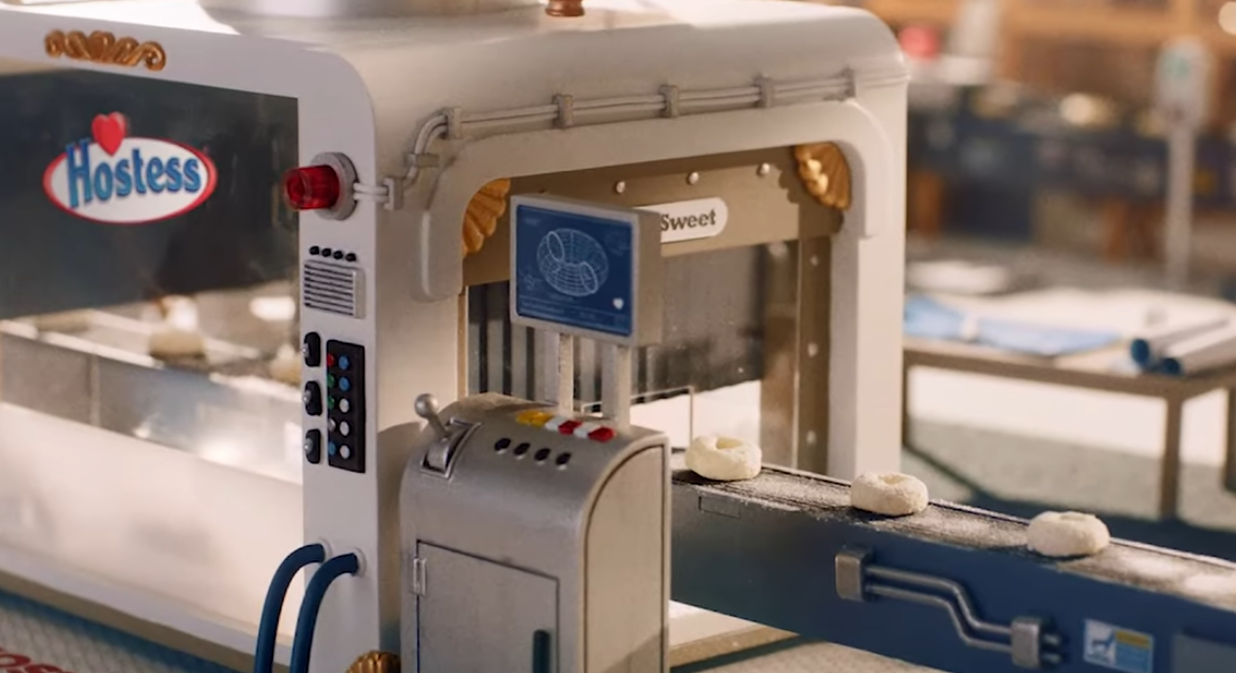
To truly understand how Hostess Donettes are made, we must start with the raw materials. Despite their simplicity, these mini donuts rely on a carefully balanced blend of industrial-grade ingredients.
Wheat Flour: The Structural Foundation
Wheat flour is the backbone of every Donette. Much of it is sourced from the American Midwest, especially states such as:
- Kansas
- Nebraska
- North Dakota
These regions produce tens of millions of bushels of wheat annually, much of which is destined for commercial bakeries.
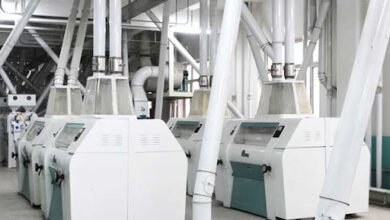
The wheat is milled into fine flour before shipment to Hostess facilities, where it is tested for protein content, moisture, and baking performance.
Sugar and Sweeteners
Sugar plays a central role in both the batter and the coatings. It arrives from:
- Beet farms in Michigan and Minnesota
- Cane fields in Louisiana and Florida
Refined sugar is delivered in bulk, stored in silos, and used in precise quantities during mixing and coating stages.
Oils, Eggs, and Milk Solids
Vegetable oils—often soybean or palm—are refined in specialized plants before being transported in tanker trucks. Eggs arrive as liquid egg, already cracked and pasteurized by external processing facilities. Milk solids are produced through dehydration plants, creating shelf-stable powdered milk.
Each ingredient undergoes strict testing upon arrival, including:
- Purity checks
- Moisture analysis
- Microbiological testing
A single bakery may receive dozens of truckloads weekly, ensuring uninterrupted production.
“Read Also: How the Big Mac Is Made: Inside the Industrial System Behind a Fast Food Icon“
Inside the Factory: The Core Production Process
Now we reach the heart of how Hostess Donettes are made—the industrial bakery floor.
Batching and Mixing
The transformation begins with computerized batching systems. These systems weigh flour, sugar, eggs, oil, and leavening agents in exact proportions.
Accuracy is critical. Even minor deviations can alter:
- Texture
- Sweetness
- Density
The ingredients move into massive stainless-steel mixers capable of handling hundreds of kilograms of batter at once. During mixing:
- Air is incorporated into the batter
- Leavening agents activate
- A smooth, aerated consistency forms
This stage determines the final lightness and tenderness of the donut crumb.
“Read Also: How M&M’s Are Made: Inside the World of the Most Famous Chocolate Candy”
Depositing and Frying
Automated Depositors
Once mixed, the batter is pumped into depositors—precision machines that release uniform rings of batter onto automated frying lines. Each deposit is identical in size and weight.
Industrial Frying Lines
The formed rings drop directly into large oil baths. These fryers stretch several meters and operate at tightly controlled temperatures.
Key features of this stage include:
- Continuous conveyor belts
- Submerged paddles that flip donuts midway
- Real-time temperature monitoring
The donuts develop a golden exterior while maintaining a soft interior. The process runs non-stop—24 hours a day, 7 days a week.
The aroma of frying donuts fills the factory, blending sensory experience with mechanical precision.
Cooling, Forming, and Coating
After frying, Donettes move into cooling tunnels. Chilled air stabilizes their structure and prepares them for coating.
Powdered Donettes
For powdered varieties, the donuts enter large rotating drums. Fine confectioners’ sugar is blown across the surface, coating each ring evenly.
Glazed Donettes
Glazed versions pass under cascading sheets of liquid sugar syrup. As the glaze cools, it forms a glossy shell.
Chocolate Frosted Donettes
Chocolate varieties move through warm streams of cocoa-based coating. The layer hardens into a rich, dark finish.
Vision systems and sensors monitor coating thickness and reject any donut that fails uniformity standards. Every Donette must look identical—whether the shift produces 50,000 or 500,000 units.
Quality Control and Testing
A critical component of how Hostess Donettes are made is quality assurance.
Texture and Flavor Testing
Random samples are pulled for analysis. Machines measure softness and resilience by pressing into the crumb. Flavor panels evaluate:
- Sweetness
- Richness
- Aroma
Portion weights are verified to ensure compliance with packaging standards.
Microbiological and Shelf-Life Testing
Laboratories test for contamination and evaluate shelf life to guarantee freshness during transport.
The Drop Test
In one memorable procedure, packaged Donettes are dropped from simulated shipping heights. They are then inspected to ensure structural integrity.
These measures ensure consistency from factory to shelf.
Packaging and Nationwide Distribution
Once approved, Donettes move to automated packaging lines.
Robot arms place groups of six or eight into plastic trays before sealing them in branded wrappers. Larger family-size bags are filled, sealed, and palletized.
From factory warehouses, fleets of trucks distribute products across the country, including major cities like:
- New York City
- Los Angeles
Supermarkets, gas stations, vending machines, and school cafeterias are stocked daily.
The logistics network ensures that whether you’re in a major metropolitan area or a small Midwest town, Donettes are within reach.
Economic and Industrial Significance
The production of Donettes represents more than a sweet treat—it reflects a multi-billion-dollar industry.
Hostess Brands is among the largest packaged bakery companies in the United States, with Donettes ranking among its top-selling products.
Economic Impact
Production supports:
- Farmers
- Truck drivers
- Packaging suppliers
- Retail workers
Annual sales from these mini donuts alone reach hundreds of millions of dollars.
Cultural Symbolism
Beyond economics, Donettes symbolize mass-produced comfort food. They blend nostalgia with modern convenience, maintaining remarkable consistency across decades.
Frequently Asked Questions About Hostess Donettes
1. What are Hostess Donettes made of?
They are made from wheat flour, sugar, vegetable oil, eggs, milk solids, and leavening agents, along with coatings such as powdered sugar or chocolate.
2. Are Hostess Donettes baked or fried?
They are fried in controlled industrial oil baths to achieve their golden exterior and soft interior.
3. How do Donettes stay fresh?
They undergo shelf-life testing and are sealed in protective packaging designed to maintain freshness during distribution.
4. Where are the ingredients sourced?
Wheat comes primarily from Midwest states like Kansas and North Dakota, while sugar is sourced from beet and cane farms in multiple U.S. states.
5. How many Donettes are produced each year?
Hundreds of millions are produced annually to meet nationwide demand.
Conclusion: The Sweet Science Behind Every Bite
Understanding how Hostess Donettes are made reveals a world where precision engineering meets nostalgic indulgence. From wheat fields in Kansas to high-speed frying lines operating around the clock, each mini donut follows a carefully controlled journey.
Computerized batching, automated depositing, industrial frying, cooling tunnels, coating drums, rigorous testing, and nationwide distribution all combine to ensure consistency in every bag.
What appears to be a simple snack is, in reality, the product of advanced food science, large-scale logistics, and decades of refinement. Donettes embody the perfect balance between tradition and efficiency—mass-produced comfort food thriving in a modern world.
Now that you know the hidden journey behind every mini donut, which variety is your favorite—powdered, glazed, or chocolate frosted? Share your thoughts and let’s continue exploring the extraordinary stories behind everyday foods.