American Beef Brisket: From Feedlot to Barbecue Perfection

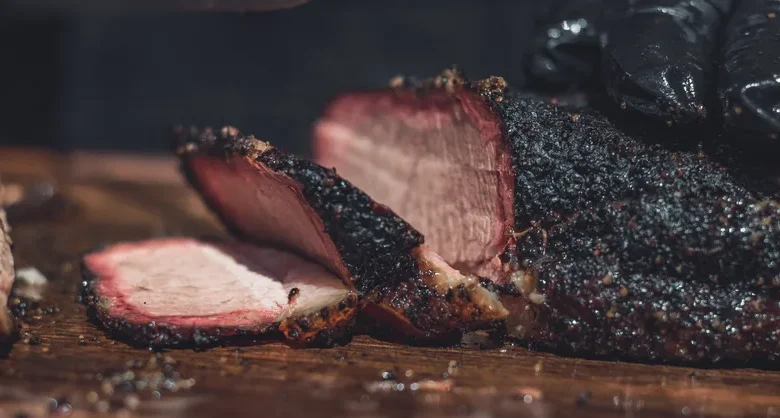
Every year, American beef brisket travels an extraordinary journey—from vast cattle feedlots in the heart of the Great Plains to smoky barbecue pits across the country. What begins as a tough chest muscle on a steer ultimately becomes one of the most celebrated cuts in American cuisine.
Behind every tender slice of smoked brisket lies one of the most advanced industrial food systems in the world—an intricate chain of breeding, feeding, inspection, fabrication, grading, packaging, and distribution that ensures quality, safety, and consistency on a massive scale.
This is the complete story of American beef brisket—from ranch to restaurant table.
The Origins of American Beef Brisket
Long before industrial processing plants existed, brisket was considered a tough, inexpensive cut of meat. Its transformation into a barbecue icon traces back to the 1800s, when European immigrants—particularly German and Czech settlers—arrived in Texas.
They brought with them a culinary tradition: slow-cooking tougher cuts of meat over low heat for extended periods. They discovered that the chest muscles of cattle—what we now call brisket—could be transformed from something nearly inedible into something extraordinary with enough time, patience, and controlled heat.
What started as a practical method of making cheap meat edible eventually became the crown jewel of Texas barbecue—and later, a national obsession.
The Modern American Beef Industry
Today, the United States consumes over 2 billion pounds of beef annually. A significant portion of that comes from industrial facilities that process cattle into precisely fabricated, vacuum-sealed cuts ready for nationwide distribution.
Modern cattle production is not the romanticized cowboy imagery often portrayed in movies. Instead, it operates with remarkable precision, divided into three major production stages:
1. Cow-Calf Operations
These operations focus on breeding and raising calves. Ranchers manage genetics carefully to produce animals with desirable traits, including growth rate and marbling potential.
2. Stalker Operations
After weaning, calves are moved to stalker operations where they are grown to heavier weights on forage-based diets.
3. Finishing Operations (Feedlots)
The final stage occurs in feedlots, where cattle are fed carefully managed high-energy grain diets, primarily corn-based, to bring them to harvest weight. This finishing phase is where the defining characteristic of great brisket—marbling—develops.
How Marbling Defines Quality
Marbling refers to the intramuscular fat dispersed within muscle tissue. It is the key to tenderness and flavor in American beef brisket.
Feedlot diets are scientifically formulated to maximize this marbling. Over decades, cattle genetics have been refined using tools such as Expected Progeny Differences (EPDs), which predict how much marbling a calf is likely to develop.
This is agricultural engineering at its highest level—combining biology, data, and nutrition to produce predictable results.
The surge in consumer demand for richly marbled brisket—driven by barbecue culture—has even increased production of higher grades. In just one decade, Prime-grade beef nearly doubled in total production share, reflecting America’s growing appetite for premium barbecue.
“Read Also: Mass-Produced Cinnamon Rolls“
Strict Food Safety and Inspection Standards
When cattle arrive at processing facilities, they enter one of the most regulated food safety systems in the world.
The Federal Meat Inspection Act requires every animal to be inspected by Food Safety and Inspection Service personnel. Inspectors examine live animals before harvest and conduct detailed examinations of each carcass and organ afterward.
No meat can enter commerce without:
- A USDA inspection stamp
- An official establishment number
- Compliance with mandatory safety standards
This ensures that American beef brisket meets consistent safety requirements nationwide.
From Carcass to Brisket: The Fabrication Process
Once approved, carcasses are rapidly chilled to approximately 40°F. Cooling slows bacterial growth and prepares the meat for fabrication.
Each carcass is divided into nine standard wholesale cuts called primals. Brisket comes from the forequarter.
Skilled meat cutters remove the brisket primal using precise techniques:
- Cutting parallel to the backbone
- Slicing through cartilage connecting ribs
- Following natural muscle seams
This process requires extensive training and experience.
“Read Also: Popeyes Chicken Production Process“
Understanding Brisket Cuts
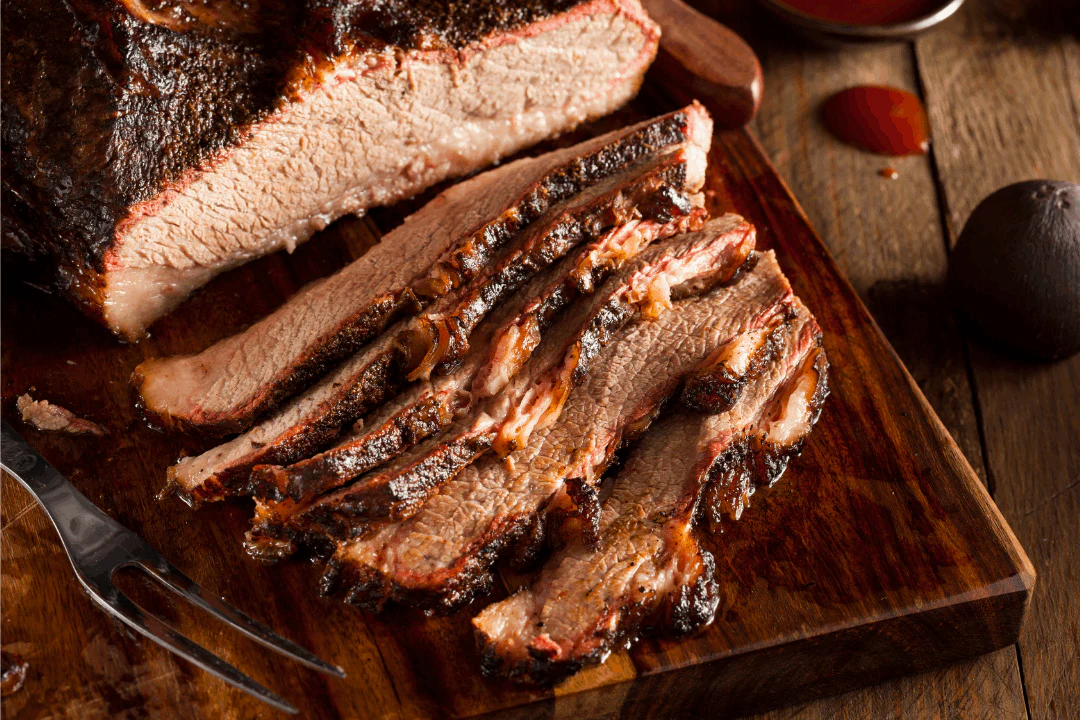
Brisket contains two distinct muscles separated by a layer of fat:
The Flat Cut
- Larger, rectangular, leaner
- Ideal for slicing
- Common in retail markets
The Point Cut
- Smaller, irregular shape
- Higher fat content
- Perfect for pulled beef or burnt ends
Commercial processors often follow standardized specifications such as Item 120 (Beef Brisket, Deckle-Off, Boneless). This removes the hard external fat layer, producing a leaner, more uniform product optimized for large-volume buyers.
Beef Grading: Prime, Choice, and Select
After fabrication, briskets move through grading stations where marbling levels determine classification:
Prime
- Abundant marbling
- Highly forgiving during long smoking
- Premium price point
Choice
- Moderate marbling
- Most common commercial grade
- Ideal balance of quality and value
Select
- Slight marbling
- Requires careful cooking
Although grading is voluntary, it is essential for processors seeking premium pricing in competitive markets.
The dramatic rise in Prime-grade production aligns with America’s increasing demand for high-end barbecue experiences.
“Read Also: Galaxy Chocolate Manufacturing Process“
Zero Waste: Maximizing Every Part
Modern processing facilities operate with near-total efficiency.
Nothing goes to waste:
- Trim becomes ground beef
- Trimmings are processed into jerky and beef sticks
- Fat is rendered for industrial uses
This comprehensive utilization improves economic sustainability and operational efficiency.
Vacuum Packaging and Aging
After fabrication and grading, briskets undergo vacuum packaging—often referred to as cryovac sealing.
This process:
- Removes oxygen
- Extends shelf life
- Allows natural enzymatic tenderization
- Protects against contamination
At standard refrigeration, vacuum-sealed brisket can last 35–45 days. Facilities maintaining temperatures between 28°F and 32°F can extend shelf life to 70–80 days.
For long-term storage, brisket can be frozen while sealed, maintaining optimal quality for up to 12 months.
Maintaining the cold chain is critical throughout this phase.
Distribution: A National Logistics Network
The distribution network moving American beef brisket from processor to plate is a logistical marvel.
Large wholesale distributors acquire truckloads of brisket and supply:
- Restaurants
- Retail grocery chains
- Institutional kitchens
Specialty distributors focus on high-grade briskets, supplying elite barbecue establishments that demand top-tier quality.
Food service operations account for over 60% of brisket sales, with restaurants representing the majority of beef purchases.
Meanwhile, retail sales are growing at over 6% annually as home cooks embrace smoking and barbecue culture.
Industrial Efficiency vs. Barbecue Artistry
While industrial processing creates standardized, efficient products, elite pit masters often prefer minimally processed whole packer briskets.
Renowned barbecue establishments demand briskets that retain:
- Full fat caps
- Natural connective tissue
- Maximum moisture retention potential
They rely on proprietary techniques—low temperatures, controlled smoke, extended cooking times—to transform raw brisket into culinary excellence.
The same factory-produced cut can yield dramatically different results depending entirely on the pit master’s skill.
Technology in Modern Processing
Modern beef processing facilities incorporate advanced technology:
- Automated conveyor systems
- Robotic packaging and palletizing
- Temperature tracking systems
- Inventory traceability from animal to shipment
- Quality assurance labs testing for pathogens
This integration ensures consistency across millions of pounds of production annually.
Whether purchased in Maine or California, American beef brisket adheres to standardized safety and grading expectations.
Why Brisket Became a Cultural Phenomenon
The rise of barbecue culture has elevated brisket from a humble cut to a culinary icon.
Its appeal lies in contradiction:
- It is tough yet becomes tender.
- It is simple yet requires mastery.
- It is industrially produced yet artisanally perfected.
Long smoking sessions—often 12 to 16 hours—require substantial marbling to prevent dryness. This demand directly influences grading trends and production practices nationwide.
Brisket represents the intersection of science, agriculture, manufacturing, and culinary tradition.
Frequently Asked Questions About American Beef Brisket
1. What makes American beef brisket different from other beef cuts?
Brisket comes from the chest muscles of cattle and contains significant connective tissue. When cooked low and slow, it becomes exceptionally tender and flavorful.
2. What is the difference between flat and point brisket?
The flat is leaner and ideal for slicing, while the point contains more fat and is better suited for pulled beef or burnt ends.
3. How long can vacuum-sealed brisket last?
At standard refrigeration, 35–45 days. Under stricter temperature control, up to 70–80 days. Frozen brisket maintains quality for up to 12 months.
4. What does Prime grade mean?
Prime brisket contains abundant marbling throughout the muscle, resulting in superior tenderness and flavor.
5. Why is marbling important in brisket?
Marbling protects the meat during long smoking sessions, preventing dryness and enhancing flavor.
Conclusion: The Industrial Symphony Behind American Beef Brisket
The story of American beef brisket is uniquely American—an extraordinary fusion of agricultural science, industrial precision, and culinary artistry.
From carefully engineered genetics in Midwest feedlots to rigorous federal inspection systems, from expert fabrication to vacuum packaging and nationwide distribution, every step is optimized for quality and safety.
Yet despite all this technological sophistication, the final transformation still depends on human hands, fire, smoke, and patience.
Industrial efficiency makes brisket accessible to millions—but true greatness still comes from the pit master who understands how to unlock its full potential.
If you enjoyed learning about the journey of American beef brisket, share this article with fellow barbecue enthusiasts or leave a comment about your favorite brisket experience.