Lamb Processing Plant: The Incredible Journey from Farm to Perfect Lamb Shank

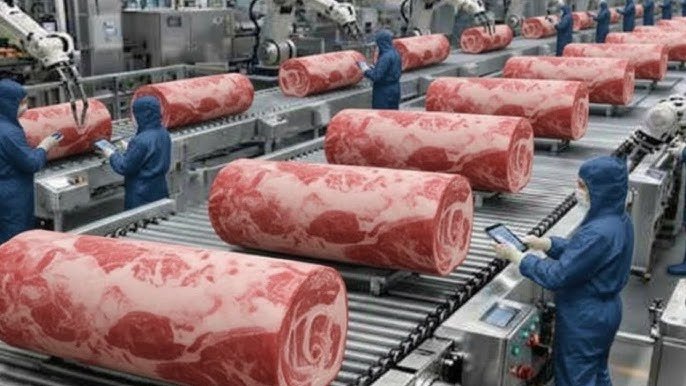
Have you ever wondered how a perfectly tender lamb shank ends up on your dinner plate? Inside a modern lamb processing plant, an extraordinary combination of advanced machinery, precise timing, skilled craftsmanship, and strict food safety standards transforms whole animals into premium cuts displayed in grocery stores.
What happens behind the closed doors of industrial meat facilities is far more sophisticated than most people imagine. This is not simply about cutting meat — it is a carefully engineered process involving climate-controlled environments, computerized monitoring systems, government inspections, and highly trained professionals who work in perfect coordination.
From the moment lambs arrive at the facility to the final vacuum-sealed package ready for distribution, every stage is optimized for efficiency, hygiene, quality, and traceability. Understanding this process offers a deeper appreciation for the journey your food takes before reaching your table.
The Arrival Process in a Lamb Processing Plant
The journey begins long before fabrication and packaging. When lambs arrive at a lamb processing plant, they are transported in specially designed climate-controlled vehicles. These are not ordinary trucks — they feature:
- Non-slip flooring
- Advanced ventilation systems
- Compartmentalized interiors to reduce stress
- Temperature regulation for optimal animal welfare
Upon arrival, trained inspectors carefully examine each animal to ensure it meets strict health and quality standards. This inspection phase is critical. Only animals that pass health requirements move forward in the process.
Why Stress Control Matters
One of the lesser-known facts about meat processing is how significantly stress affects meat quality. Elevated stress levels can negatively impact tenderness, color, and overall product consistency.
For this reason, holding areas inside modern facilities are engineering marvels. These spaces include:
- Temperature-controlled environments
- Automated feeding and watering systems
- Carefully designed lighting to reduce anxiety
- Textured flooring to prevent slipping
- Monitored sound levels to maintain calm conditions
Facilities invest heavily in these systems because maintaining animal comfort directly translates to superior meat quality.
The Harvest Line: Precision in Motion
The actual processing begins on what industry professionals call the “harvest line.” Inside a lamb processing plant, this stage operates with remarkable synchronization.
Workers are stationed at calculated intervals along a moving rail or conveyor system. Each individual is responsible for a specific task. The line moves at a carefully engineered speed — fast enough for efficiency but controlled enough to maintain safety and quality.
Every movement is deliberate. Every tool is specialized. Every worker has undergone extensive training to master their position.
Humane Stunning and Immediate Processing
The process begins with humane stunning methods designed to render the animal unconscious instantly. Electrical or mechanical techniques are used depending on facility protocols.
Immediately following stunning, a controlled draining stage occurs. Timing here is critical:
- Too slow, and meat quality may suffer.
- Too fast, and the process integrity may be compromised.
Specialized knives — sharpened multiple times per day and sanitized constantly — are used to ensure clean, precise cuts.
Temperature Control: The Science of Meat Quality
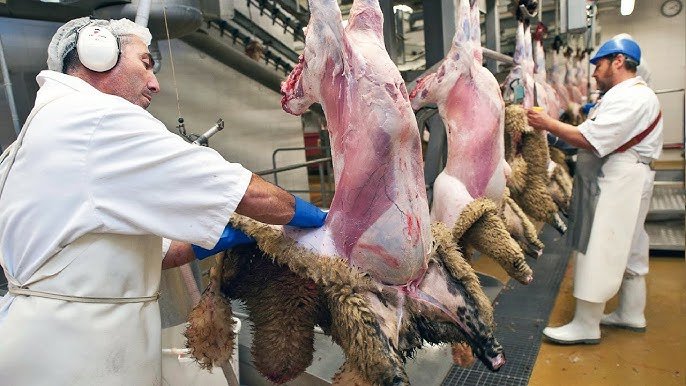
Temperature becomes one of the most critical factors inside a lamb processing plant. After initial processing, the lamb body must be cooled rapidly to prevent bacterial growth.
Industrial chilling systems:
- Maintain temperatures within one degree of the target
- Use computerized monitoring systems
- Track each unit throughout the cooling cycle
Rapid cooling prevents contamination while still allowing natural enzymes to function. These enzymes are essential for breaking down muscle fibers and contributing to tenderness.
Precision here is non-negotiable. Even minor temperature deviations can impact both safety and final product quality.
Surface Layer Removal: Where Skill Meets Technology
One of the most technically impressive stages is the removal of the outer surface layer.
This step combines:
- Pneumatic separation machines
- Compressed air technology
- Skilled manual techniques
The machines use controlled bursts of compressed air to separate the outer layer from the meat with minimal damage. A highly trained worker can complete this step in under two minutes — without leaving a single nick on the meat surface.
This stage demonstrates how modern technology and human expertise work together seamlessly.
Internal Preparation and Hygiene Standards
Internal preparation is perhaps the most technically demanding part of the entire process.
The product hangs from a moving rail system, perfectly positioned for each operation. Workers use:
- Pneumatic knives
- Suction devices
- Precision cutting instruments
Every step is performed with extreme attention to hygiene. Clean removal of internal components is essential to prevent contamination.
The combination of specialized tools, ergonomic design, and skilled labor ensures that this stage meets strict food safety requirements.
Government Inspection and Quality Assurance
Every single processed lamb body undergoes government inspection. Inspectors examine dozens of specific checkpoints, including:
- Key tissue areas
- Muscle structure
- Signs of contamination
- Irregularities in appearance
Any product that fails inspection is immediately removed from the line.
Although rejection rates may surprise some, this strict screening guarantees that only high-quality meat reaches consumers.
Traceability systems further enhance quality assurance. Each unit is assigned tracking codes that document:
- Time of processing
- Worker involvement
- Environmental conditions
- Facility location
This allows complete traceability in case of quality concerns.
“Read Also: Industrial Marmalade Production“
Aging Process: Developing Tenderness
After inspection, products move into aging coolers. These are not simple refrigerated rooms. They are highly controlled environments with:
- Specific humidity levels
- Carefully designed air circulation
- Controlled temperature gradients
During aging, natural enzymes break down muscle fibers. This biochemical process creates the tenderness associated with premium cuts like lamb shank.
Aging periods may vary from several days to weeks, depending on the desired texture and flavor profile.
“Read Also: Popeyes Chicken Production Process“
Fabrication: Transforming Whole Lamb into Lamb Shank
Now comes the fabrication process — the stage where whole lamb bodies are transformed into individual retail cuts.
Inside the cutting room of a lamb processing plant, temperatures are strictly maintained to preserve product integrity. Workers wear protective gear and use specialized equipment that rivals surgical tools in precision.
Understanding the Lamb Shank Cut
Lamb shanks come from the lower portion of the leg — both front and rear. Separating this cut requires detailed anatomical knowledge, including:
- Bone structure
- Muscle group alignment
- Connective tissue patterns
Workers use:
- Band saws
- Hand saws
- Specialized curved knives
Each cut must maintain the shank’s distinctive bone structure and recognizable shape.
“Read Also: Mass-Produced Cinnamon Rolls“
Trimming: The Art Behind Presentation
Trimming is where artistry meets efficiency.
Excess fat is removed to meet consumer preferences, but enough marbling must remain to preserve flavor and moisture.
Workers carefully remove:
- Silver skin
- Excess connective tissue
- Surface fat beyond specification
Every piece is visually inspected to ensure:
- Proper sizing
- Consistent weight
- Appealing presentation
Cuts that do not meet standards are re-trimmed or assigned to alternative product categories.
“Read Also: American Beef Brisket“
Advanced Packaging Technology in a Lamb Processing Plant
Packaging is far more advanced than most consumers realize.
Vacuum packaging systems remove oxygen to prevent oxidation and extend shelf life. Specialized plastic films are engineered with precise oxygen permeability rates.
Some facilities use modified atmosphere packaging (MAP), replacing air inside the package with specific gas mixtures to:
- Preserve color
- Extend freshness
- Maintain texture
These systems operate with computer-controlled precision to regulate gas concentrations and sealing pressure.
Traceability and Labeling Systems
Modern labeling systems automatically apply:
- Product information
- Nutritional data
- Sell-by dates
- Batch tracking codes
These tracking codes provide full traceability throughout the entire process.
If a quality issue arises, facilities can pinpoint:
- Exact processing time
- Involved personnel
- Environmental conditions
- Equipment used
This level of transparency enhances consumer trust and regulatory compliance.
Final Safety Checks Before Distribution
Before products leave the facility, several final safety checks occur:
- Metal detection systems capable of identifying microscopic particles
- Weight verification systems
- Case packing automation
- Continuous temperature monitoring
Products are then loaded into refrigerated trucks that maintain strict cold chain standards during distribution.
Speed and Coordination: An Engineering Marvel
A modern lamb processing plant can handle hundreds of animals per day while maintaining strict safety and quality standards.
This requires:
- Cross-department coordination
- Perfect timing between stages
- Advanced logistics planning
- Skilled workforce synchronization
The process is a remarkable example of industrial efficiency combined with biological science.
The Future of Lamb Processing Technology
The industry continues evolving rapidly. Innovations include:
- Robotic cutting systems
- Artificial intelligence for schedule optimization
- Sensors monitoring blade sharpness
- Worker fatigue tracking systems
- Enhanced environmental monitoring
These technologies aim to improve:
- Efficiency
- Worker safety
- Product consistency
- Food safety standards
The integration of robotics and AI represents the next frontier in industrial meat processing.
Frequently Asked Questions About Lamb Processing Plant
1. How does a lamb processing plant ensure food safety?
Facilities use strict hygiene protocols, rapid chilling systems, government inspections, metal detection equipment, and full traceability systems to maintain safety.
2. What is the purpose of the aging process?
Aging allows natural enzymes to break down muscle fibers, resulting in more tender and flavorful meat.
3. How are lamb shanks separated from the leg?
Workers use anatomical knowledge and specialized tools such as band saws and curved knives to preserve bone structure and shape.
4. Why is temperature control so important?
Precise temperature control prevents bacterial growth and supports enzyme activity necessary for tenderness.
5. What is modified atmosphere packaging?
It is a packaging method that replaces oxygen with specific gas mixtures to extend shelf life and maintain meat color.
Conclusion: A New Appreciation for the Lamb Processing Plant
The next time you enjoy a perfectly cooked lamb shank, remember the remarkable journey it took before reaching your plate. Inside a modern lamb processing plant, technology, science, and skilled professionals work together in extraordinary harmony.
From climate-controlled transport and humane processing to aging, precision fabrication, advanced packaging, and rigorous inspection, every step is engineered for excellence.
Understanding this process transforms the way we think about meat production. It reveals not just an industrial operation, but a complex system driven by precision, safety, innovation, and dedication.
If you found this deep dive into lamb processing insightful, consider sharing it with others who appreciate knowing where their food comes from. The more we understand the journey from farm to table, the more informed and appreciative we become as consumers.